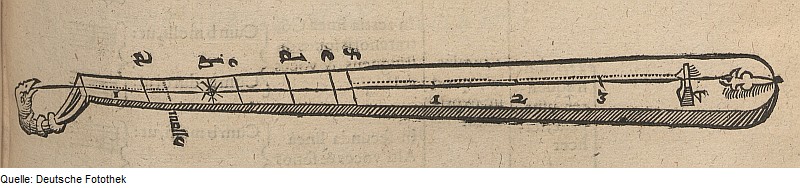
The Triadic paradigm, as revealed through the principles and correspondences within this esoteric current, represents a fundamental concept in various esoteric and magical contexts. This essay synthesizes the philosophy of the Triad, exploring its connections to the Trilogy of Unity, human soul, Latona, Cornucopiæ, Ophion, Thetis, Triton, Achelous, Faces, Furies, and Graces. This synthesis demonstrates the Triad's significance in embodying unity, theory, practice, and realization, ultimately revealing its importance in various esoteric traditions.
The Unity of Theory, Practice, and Realization
At its core, the Triad represents a complete whole or a fundamental unit, denoted by a group of three elements or forces. This triadic structure is reflected in the creative triad, comprising God the Father, God the Son, and God the Holy Spirit. The Triad symbolizes the unity of theory, practice, and realization in the process of transformation, highlighting the sympathy of these concepts. In the Gnostic framework, the Triad is referred to as the creative principle, intersecting with the created principle to form the Gnostic stauros. This understanding of the Triad is closely wedded with the comprehension of the three worlds, where specific superior YANG figures correspond to inferior YIN trigrams.
The Trilogy of Unity and the Triad
The number three, as the most perfect odd number, represents the Trilogy of Unity. This concept is analogous to the Triad in the three worlds, a central idea in kabalistic thought. The Trilogy of Unity, with its three YANG figures in the trigrams of Fohi, embodies the principle of production in three worlds. This mirrors the triadic structure in nature and experience, as seen in the human soul, which involves thought, love, and action.
Entities and the Triad
Latona, Cornucopiæ, Ophion, Thetis, Triton, Achelous, Faces, Furies, and Graces are all associated with the Triad, reflecting its significance in various esoteric contexts. These entities, in their relationships with the Triad, illustrate the sympathy of concepts within this paradigm. Polyhymnia, the muse of hymns, is also associated with the principles of the Triad, affirming the role of spiritual and musical dimensions.
The Bembine Table and the Triad
The Bembine Table, a diagram representing Platonic philosophy, mystic cosmogony, and generation, relies heavily on triadic thinking to reveal its underlying meanings. The Triad holds a central place in comprehending the Bembine Table, as it integrates complex metaphysical and philosophical concepts through triadic relationships. This integration suggests that the Bembine Table serves as a visual or conceptual framework that organizes knowledge and ideas through triadic connections, providing a deeper insight into the correspondences between various philosophical schools of thought.
Philological Analysis and the Triad
Proclus' analysis is essential for understanding the Platonic triadic concepts in the Bembine Table. This emphasizes the importance of philological analysis in uncovering the underlying meanings of the Triad and its relationships with other entities.
The Triadic paradigm, as revealed through the principles and correspondences within this esoteric current, represents a fundamental concept in various esoteric and magical contexts. The Triad's significance extends into numerology, magical symbolism, and spiritual dimensions, reflecting its importance in embodying unity, theory, practice, and realization.
Bibliographia & Fontes
Primary Source Books Used in This Article
The doctrines, historical citations, and symbolic correspondences synthesized in this article are drawn from the following primary works and chapters:
- I.Manly P. Hall, The Secret Teachings of All Ages1928
An Encyclopedic Outline of Masonic, Hermetic, Qabbalistic and Rosicrucian Symbolical Philosophy
Chapters / Sections Consulted:Ch. “Pythagorean Mathematics” · Ch. “The Bembine Table of Isis” - II.Éliphas Lévi, Transcendental Magic: Its Doctrine and Ritual (Dogme et Rituel de la Haute Magie)1856 / 1896 trans.
Translated and Annotated by A. E. Waite
Chapters / Sections Consulted:Part I: The Doctrine of Transcendental Magic
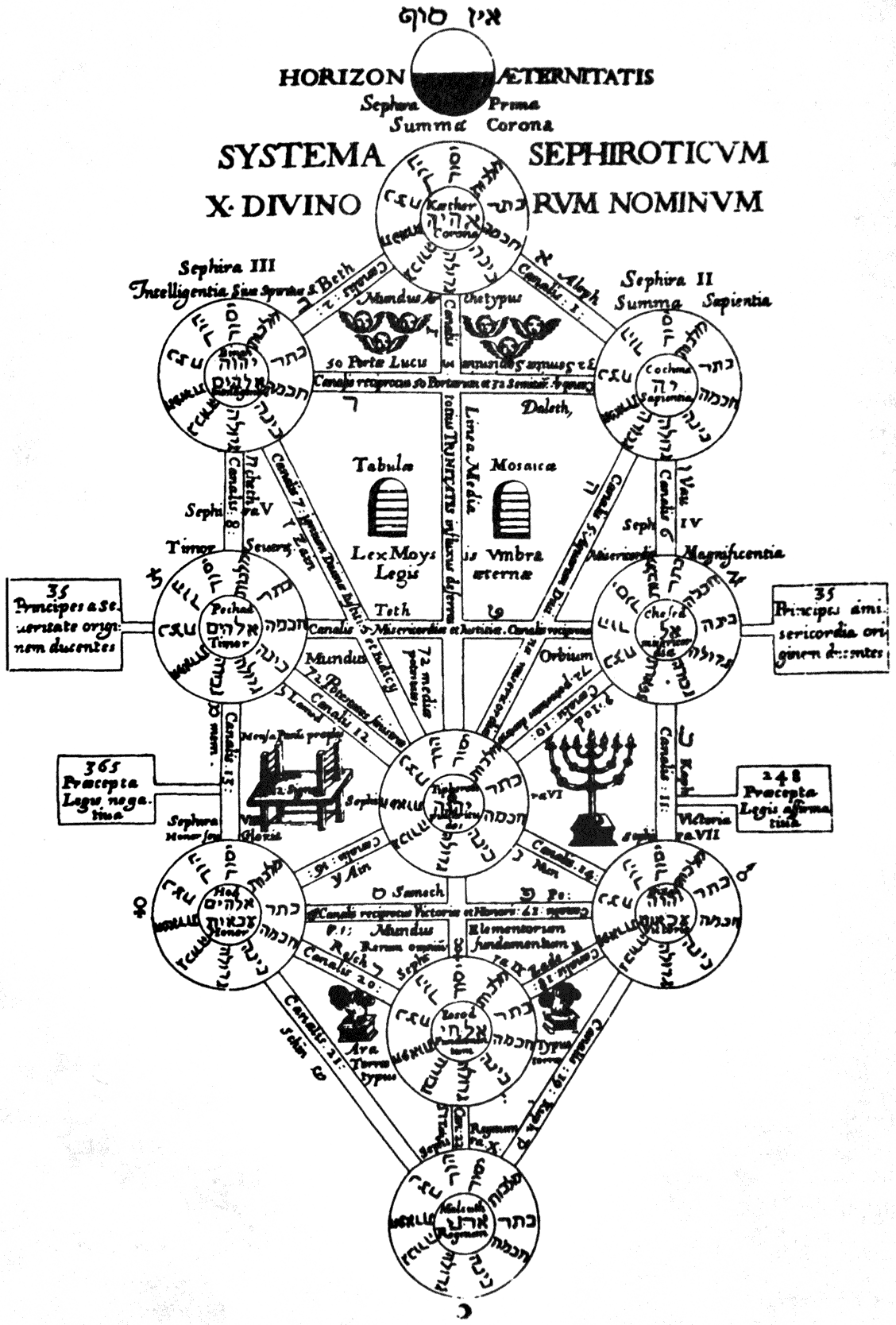
The Kabbalah Unveiled (S. L. MacGregor Mathers)
Containing the foundational translations and esoteric commentaries on the Book of Concealed Mystery, the Greater Holy Assembly, and the Lesser Holy Assembly from the Zohar.