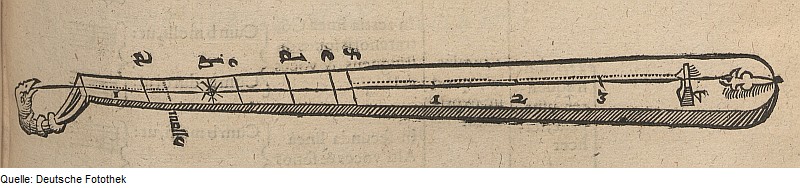
By examining the traditional doctrines and substances associated with the Triad, including the Heavenly Zenith, Abyss, Latona, and others, we gain insight into the deeper philosophical and symbolic meanings underlying this concept.
The Triad as a Fundamental Structure
The Triad emerges as a central concept in various esoteric contexts, symbolizing a complete whole or fundamental unit composed of three elements or forces. This triadic structure is reflected in the creative triad of God the Father, God the Son, and God the Holy Spirit, as well as in the unity of theory, practice, and realization in the process of transformation. The Triad is also associated with the number three, which is considered a perfect word, embodying unity, intelligence, and prudence.
The Interplay between Heavenly Zenith and Abyss
The Heavenly Zenith and Abyss, two crucial elements of the Triad, form a balanced and harmonious visual representation, often referred to as Solomon's Seal. This combined symbol encapsulates a significant dualistic or complementary relationship between its constituent parts, reflecting a complex balance between opposing forces or states within the broader context of symbolic meanings. The Heavenly Zenith, positioned as the apex, finds its counterpart in the Abyss, creating a visual representation of the triadic structure.
The Triad's Associations and Relationships
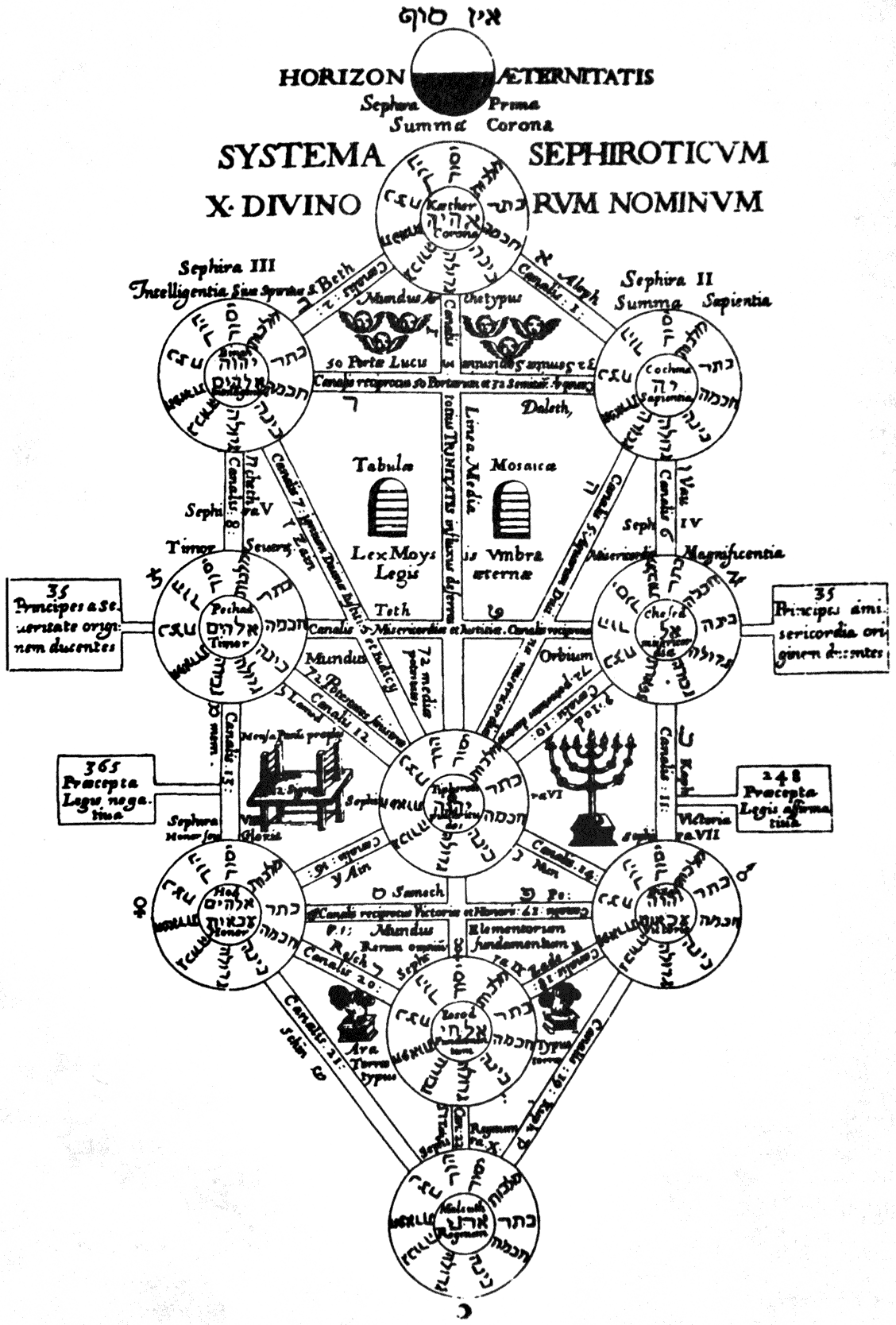
The Triad is associated with various substances and entities, including Latona, Cornucopiæ, Ophion, Thetis, Triton, Achelous, and the Furies and Graces. These associations reflect the Triad's principles of friendship, peace, justice, prudence, piety, temperance, and virtue. The human soul, involving thought, love, and action, mirrors the triadic structure in nature and experience. The trilogy of unity, represented by the number three, is seen as analogous to the triad in the three worlds, a central concept in kabalistic thought.
The Bembine Table and Philosophical Analysis
The Bembine Table, a diagram representing Platonic philosophy, mystic cosmogony, and generation, relies heavily on triadic thinking to reveal its underlying meanings. The triadic framework enables a more nuanced understanding of how the Bembine Table aligns with broader philosophical concepts, offering a cohesive and structured approach to its interpretation. Proclus' analysis, as found in his Commentaries, is essential for understanding the Platonic triadic concepts in the Bembine Table.
Bibliographia & Fontes
Primary Source Books Used in This Article
The doctrines, historical citations, and symbolic correspondences synthesized in this article are drawn from the following primary works and chapters:
- I.Manly P. Hall, The Secret Teachings of All Ages1928
An Encyclopedic Outline of Masonic, Hermetic, Qabbalistic and Rosicrucian Symbolical Philosophy
Chapters / Sections Consulted:Ch. “Pythagorean Mathematics” · Ch. “The Bembine Table of Isis” - II.Éliphas Lévi, Transcendental Magic: Its Doctrine and Ritual (Dogme et Rituel de la Haute Magie)1856 / 1896 trans.
Translated and Annotated by A. E. Waite
Chapters / Sections Consulted:Part I: The Doctrine of Transcendental Magic
Further Inquiry in This Cycle
Companion Studies & Disputations
The Dialectical Unity of Heavenly Zenith and Abyss
This essay examines the esoteric significance of the Heavenly Zenith and Abyss, two fundamental components of the six-pointed star symbol associated with…
The Triadic Paradigm
The Triadic paradigm, as revealed through the entities and relationships within this esoteric current, represents a fundamental concept in various esoteric…
The Kabbalah Unveiled (S. L. MacGregor Mathers)
Containing the foundational translations and esoteric commentaries on the Book of Concealed Mystery, the Greater Holy Assembly, and the Lesser Holy Assembly from the Zohar.