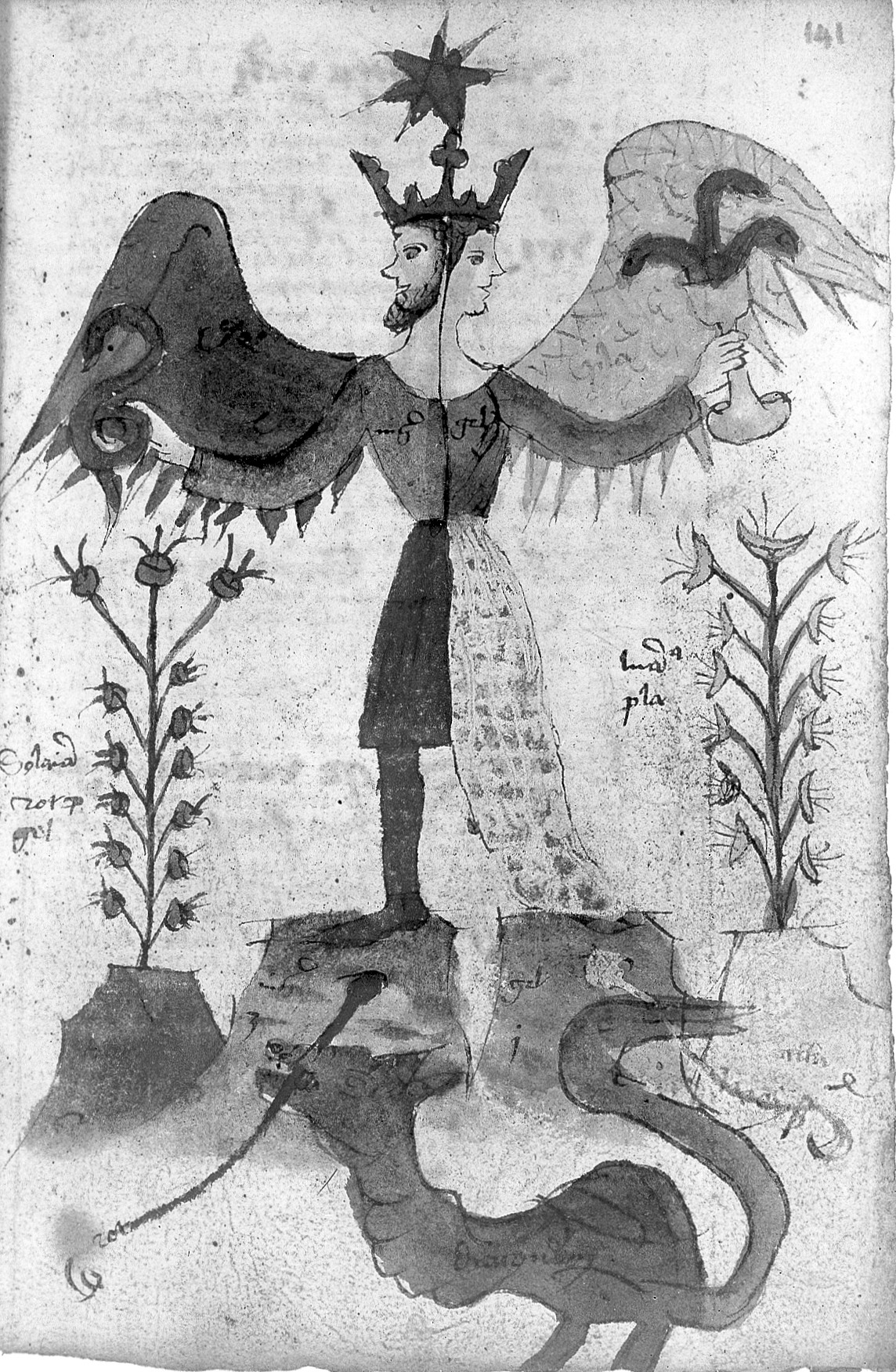
Through a nuanced analysis of the surviving literature points, this synthesis reveals a rich body of esoteric knowledge, weaving together themes of transformation, spiritual growth, and the quest for ultimate enlightenment. By examining the correspondences between these concepts, this essay aims to provide a deeper understanding of the alchemical odyssey, shedding light on the mysteries of transformation and resurrection.
The Alchemical Odyssey
Central to the classical sources is the concept of transformation, which is exemplified by the Philosopher's Stone. This legendary substance is sought after within the domain of alchemy, symbolizing the ultimate achievement of both alchemical and spiritual enlightenment. The Stone's transformative properties are reflected in its ability to transmute base metals into gold, bestow immortality, and serve as the elixir of life. The process of preparing the Philosopher's Stone involves the dissolution of the body, indicating a crucial step in the alchemical process.
The concept of Resurrection is closely bound with the Philosopher's Stone, as both represent transformation processes. Resurrection metaphorically denotes a profound change or restoration to a state of perfection or spiritual elevation, mirroring the Stone's transformative properties. This connection is underscored by the text's repeated mentions of the Sun and Mon., implying a cyclical nature of enlightenment and transformation.
The Tree, a symbol of growth and longevity, is also connected to the Philosopher's Stone and Resurrection. The Tree's imagery is used to represent the Round Table, a motif that embodies the themes of life and rebirth. The Tree's association with the Sun and ritualistic processes further emphasizes its role in the alchemical odyssey.
Blavatsky's teachings on Theosophy provide a deeper understanding of the connection between spiritual consciousness and the outer world. Her insights into the Golden and Rosy Cross, a symbol deeply rooted in various esoteric traditions, offer a rich body of historical and esoteric knowledge that continues to influence modern spiritual and philosophical inquiry.
The relationships between the entities reveal a network of symbolic and thematic connections. The Philosopher's Stone is described as the quintessence, representing the purest and most refined form of the substance. Cherubs symbolize the three powers of the Philosopher's Stone, indicating a close relationship. Ruben's philosophical water transforms into the Philosopher's Stone during alchemy, highlighting the Stone's role in the alchemical process.
Bibliographia & Fontes
Primary Source Books Used in This Article
The doctrines, historical citations, and symbolic correspondences synthesized in this article are drawn from the following primary works and chapters:
- I.Manly P. Hall, The Secret Teachings of All Ages1928
An Encyclopedic Outline of Masonic, Hermetic, Qabbalistic and Rosicrucian Symbolical Philosophy
Chapters / Sections Consulted:Ch. “The Hermetic and Alchemical Figures of Claudius de Dominico Celentano (1606)” · Ch. “The Theory and Practice of Alchemy” · Ch. “The Chemical Marriage of Christian Rosenkreutz” · Ch. “Flowers, Plants, Fruits, and Trees” · Ch. “Alchemy and Its Exponents” - II.Éliphas Lévi, Transcendental Magic: Its Doctrine and Ritual (Dogme et Rituel de la Haute Magie)1856 / 1896 trans.
Translated and Annotated by A. E. Waite
Chapters / Sections Consulted:Part I: The Doctrine of Transcendental Magic · Part II: The Ritual of Transcendental Magic - III.Franz Hartmann, In the Pronaos of the Temple of Wisdom / Philosophy of the Rosicrucians and Alchemists1890
Containing the History of the True and the False Rosicrucians and the Principles of Alchemy
- IV.Helena Petrovna Blavatsky, The Secret Doctrine1888
Classical Primary Source Referenced in Text
Further Inquiry in This Cycle
Companion Studies & Disputations
Resurrection: A Philosophical Synthesis
By examining the intersections between embalmment, coffins, Galileo's scientific legacy, and the esoteric teachings of H.P. Blavatsky, this synthesis…
Philosopher's Stone & Tree: The Alchemical Odyssey
Through a synthesis of esoteric data points, we will trace the symbolic meanings and thematic connections that bind the Tree, the Philosopher's Stone…
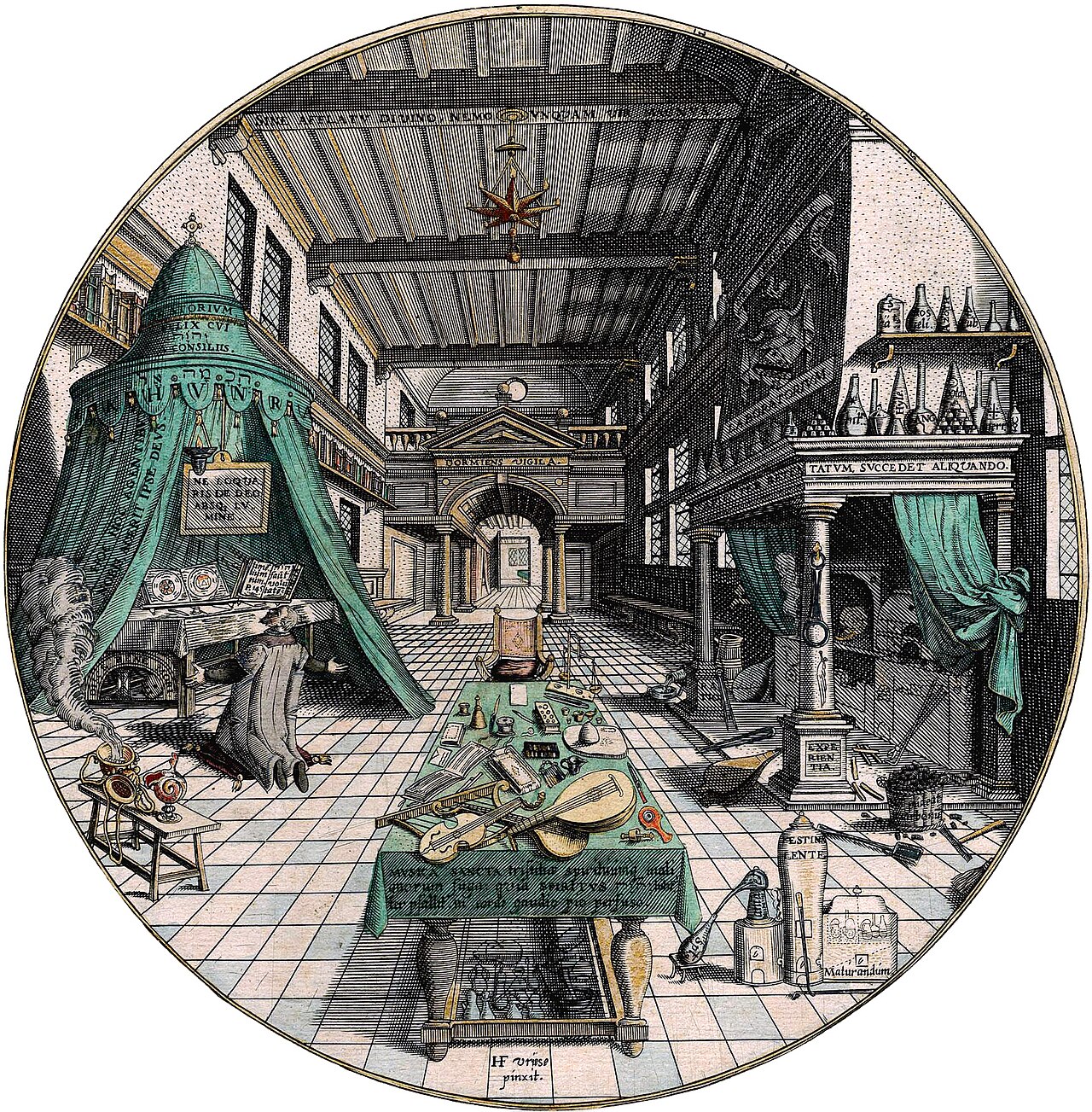
The Hermetic Museum: Restored and Enlarged (Waite Edition)
A compendium of twenty-two celebrated seventeenth-century alchemical treatises on the Philosopher’s Stone, the Tria Prima, and the Spagyric Art, translated and annotated by Arthur Edward Waite.