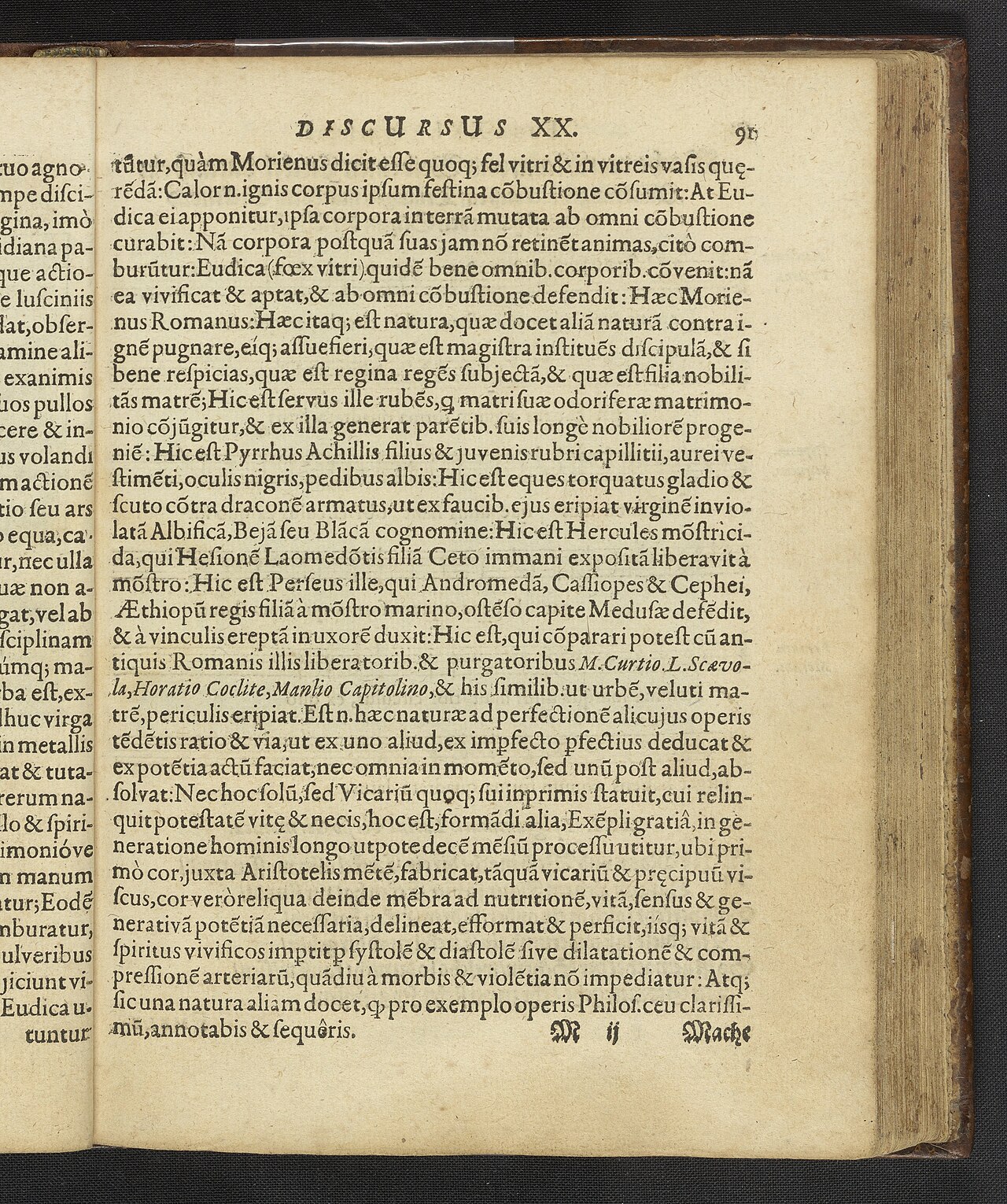
The chief aim of the alchemical work is the pursuit of the Philosopher's Stone, a mythical substance believed to possess the power to transmute base metals into gold and grant immortality. This quest is intertwined with the creation of the Tincture, a potent preparation used to address the outcomes of the alchemical process. The Tincture's production involves the use of fire for heating, highlighting the essential part of fire in the alchemical operations. The earthquake, wind, and beasts (Lions and Dragons) are all encountered during the journey, symbolizing the challenges and transformations necessary for the successful acquisition of the Philosopher's Stone.
Historical & Symbolic Context
The Guide holds a central place in guiding the alchemical operations, deathbed writing, and the journey towards the Philosopher's Stone. The deathbed writing represents the culmination and transmission of the Philosopher's Stone, while the Guide's involvement attests to the necessity of lineage and knowledge transmission in the alchemical pursuit.
The relationships between alchemical substances, such as the Tincture, Philosopher's Stone, and Aurum Potabile, reveal a network of connections that demonstrate the pursuit of perfection and transformation. The Tincture is used to achieve the freedom of spirit and body, while the Philosopher's Stone represents the ultimate outcome of the alchemical journey.
The connections between philosophical concepts, such as Aristotle and the Philosopher's Stone, highlight the interwoven relationships between philosophical inquiry and the pursuit of mystical substances. The Aristotelian influence on subsequent philosophical and scientific thought demonstrates the enduring legacy of intellectual giants within the domain of alchemy and philosophy.
The symbolic entities, such as the Cherubs and the Tree, are closely bound through thematic and symbolic representations, particularly through the concepts of the Sun and ritualistic processes. The Cherubs embody the powers and significance of the Philosopher's Stone, while the Tree symbolizes growth, longevity, or a fundamental element in the narrative.
The web of alchemical and philosophical connections reveals a rich body of relationships that demonstrate the pursuit of knowledge, transformation, and spiritual growth.
Bibliographia & Fontes
Primary Source Books Used in This Article
The doctrines, historical citations, and symbolic correspondences synthesized in this article are drawn from the following primary works and chapters:
- I.Manly P. Hall, The Secret Teachings of All Ages1928
An Encyclopedic Outline of Masonic, Hermetic, Qabbalistic and Rosicrucian Symbolical Philosophy
Chapters / Sections Consulted:Ch. “The Theory and Practice of Alchemy” · Ch. “The Elements and Their Inhabitants” · Ch. “Introduction to Symbolical Philosophy” · Ch. “Alchemy and Its Exponents” · Ch. “The Hermetic and Alchemical Figures of Claudius de Dominico Celentano (1606)” · Ch. “Bacon, Shakspere, and the Rosicrucians” - II.Éliphas Lévi, Transcendental Magic: Its Doctrine and Ritual (Dogme et Rituel de la Haute Magie)1856 / 1896 trans.
Translated and Annotated by A. E. Waite
Chapters / Sections Consulted:Part II: The Ritual of Transcendental Magic · Part I: The Doctrine of Transcendental Magic - III.Franz Hartmann, In the Pronaos of the Temple of Wisdom / Philosophy of the Rosicrucians and Alchemists1890
Containing the History of the True and the False Rosicrucians and the Principles of Alchemy
- IV.Max Heindel, The Rosicrucian Mysteries: An Elementary Exposition of Their Secret Teachings1911
The Rosicrucian Fellowship
- V.A. E. Thierens, The General Book of the Tarot1930
Containing the Astrological Key to the Esoteric Tradition of the Greater and Lesser Arcana (Intro. by A. E. Waite)
- VI.Arthur Edward Waite, The Pictorial Key to the Tarot1910
Being Fragments of a Secret Tradition under the Veil of Divination
Further Inquiry in This Cycle
Companion Studies & Disputations
The Esoteric Tapestry of Alchemy
By examining the relationships among these traditions, concepts, and individuals, we will trace the complex web of ideas that underlies this esoteric…
Azoth & Elixir: The Alchemical Odyssey
In the realm of this hermetic lineage, a vast array of esoteric concepts and substances converge to form an intricate system of alchemical thought. By…
The Harmony of Spirituality and Materiality
Through the analysis of traditional doctrines and their relationships, we uncover a profound narrative that reveals the sympathy of the divine and the…
The Alchemical Pursuit of Human Wisdom
Central to this hermetic lineage is the pursuit of human wisdom, a fundamental concept in alchemy and the quest for the Philosophical Stone. Alchemists…
Fire: The Harmony of Elemental Forces
By examining the intricate relationships between various substances, rituals, and entities, we uncover a profound understanding of the universe and its…
Philosopher's Stone
By examining the intricate connections between wind, resurrection, alchemical operations, and the philosopher's stone, among others, this synthesis aims to…
The Philosophical Tapestry of Aristotle
By examining the connections and interactions between entities such as Aristotle, Francis Bacon, Alexander the Great, and others, we uncover a rich body of…
Statute: The Alchemical Economy of Control
In the Statute tradition, we find a network of concepts revolving around the extraction of gold and silver, a process known as alchemy. We will examine how…
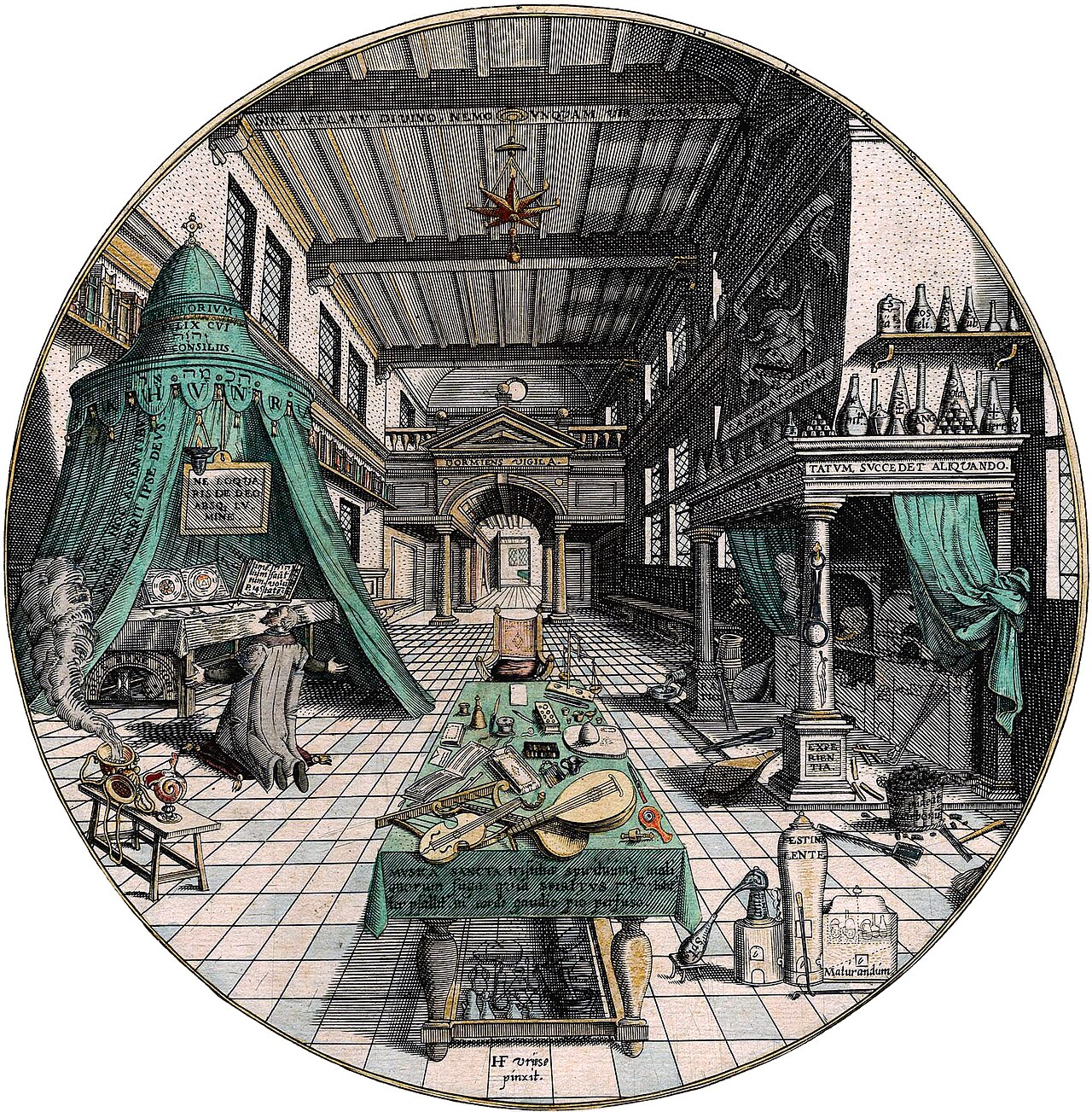
The Hermetic Museum: Restored and Enlarged (Waite Edition)
A compendium of twenty-two celebrated seventeenth-century alchemical treatises on the Philosopher’s Stone, the Tria Prima, and the Spagyric Art, translated and annotated by Arthur Edward Waite.