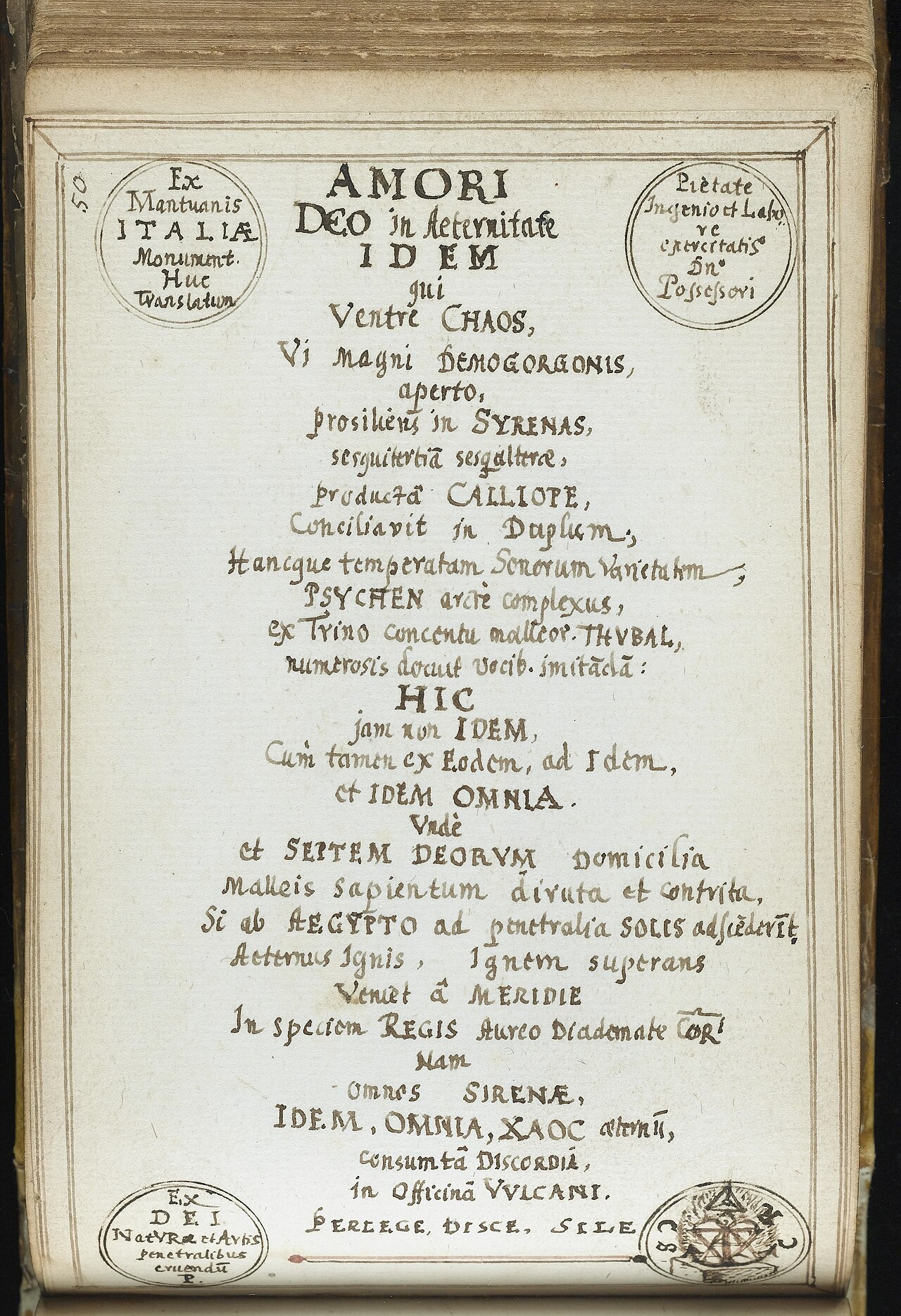
By examining the intricate connections between wind, resurrection, alchemical operations, and the philosopher's stone, among others, this synthesis aims to provide a deeper understanding of the underlying principles and symbolism that govern this enigmatic community.
Entities and Concepts
Central to this hermetic lineage is a web of interconnected entities and concepts that reveal a profound philosophical and spiritual framework. The wind, for instance, is not merely a natural phenomenon but a symbol of spiritual activity, representing the presence of other-worldly entities and the Great Magical Agent. This understanding is mirrored in the concept of resurrection, which is portrayed as a physical and spiritual rebirth, driven by transformative spiritual disciplines and self-sacrifice.
The philosopher's stone, a legendary substance in alchemy and philosophy, is deeply rooted in the pursuit of transformation and spiritual enlightenment. Its creation is often associated with the alchemical formula, which outlines the steps necessary to achieve this ultimate goal. The stone is also connected to the concept of quintessence, representing the purest and most refined form of the substance.
The Role of Alchemical Operations and the Guide
Alchemical operations are a crucial aspect of this hermetic lineage, serving as a means to achieve spiritual and material transformation. These operations, guided by the enigmatic figure of the Guide, involve a series of complex and esoteric transformations that ultimately lead to the creation of the philosopher's stone. The Guide, as a symbol of wisdom and knowledge, holds a central place in navigating the alchemical journey, ensuring the safety and guidance of the traveler.
The Significance of the Tincture and the Day-Star
The tincture, a potent and concentrated preparation, is used to achieve the freedom of spirit and body. Its creation is often associated with the alchemical operations, and its use is guided by the enigmatic figure of the Guide. The day-star, a symbol of spiritual revelation and enlightenment, represents the ultimate outcome of the alchemical journey, where the individual achieves a state of purity, health, and enlightenment.
The Relationship Between Wind, Earthquake, and the Journey
The wind, earthquake, and the journey are intricately connected in the Philosopher's Stone tradition. The wind, as a symbol of spiritual activity, precedes the earthquake, which serves as a transformative event that paves the way for the journey towards the philosopher's stone. The earthquake, in turn, leads to the creation or achievement of the philosopher's stone, demonstrating the importance of purification and transformation in the alchemical journey.
Bibliographia & Fontes
Primary Source Books Used in This Article
The doctrines, historical citations, and symbolic correspondences synthesized in this article are drawn from the following primary works and chapters:
- I.Manly P. Hall, The Secret Teachings of All Ages1928
An Encyclopedic Outline of Masonic, Hermetic, Qabbalistic and Rosicrucian Symbolical Philosophy
Chapters / Sections Consulted:Ch. “The Hermetic and Alchemical Figures of Claudius de Dominico Celentano (1606)” · Ch. “The Theory and Practice of Alchemy” · Ch. “The Chemical Marriage of Christian Rosenkreutz” · Ch. “Flowers, Plants, Fruits, and Trees” · Ch. “Alchemy and Its Exponents” - II.Éliphas Lévi, Transcendental Magic: Its Doctrine and Ritual (Dogme et Rituel de la Haute Magie)1856 / 1896 trans.
Translated and Annotated by A. E. Waite
Chapters / Sections Consulted:Part II: The Ritual of Transcendental Magic · Part I: The Doctrine of Transcendental Magic - III.Franz Hartmann, In the Pronaos of the Temple of Wisdom / Philosophy of the Rosicrucians and Alchemists1890
Containing the History of the True and the False Rosicrucians and the Principles of Alchemy
Further Inquiry in This Cycle
Companion Studies & Disputations
Alchemical Formula & Twenty-two Hebrew Letters: The Harmonious Triad
This essay examines the esoteric connections within this esoteric current, where the Alchemical Formula, Twenty-Two Major Tarot Cards, and Twenty-Two…
Philosopher's Stone & Resurrection: The Alchemical Odyssey
Through a nuanced analysis of the surviving literature points, this synthesis reveals a rich body of esoteric knowledge, weaving together themes of…
The Alchemical Pursuit of Count Bernard of Treviso
By examining the intersections of these figures and symbols, we aim to trace the symbolic and metaphorical significance of the fauchion and its relevance…
The Alchemical Pursuit of Transmutation and Enlightenment
By examining the interplay between these figures and symbols and relationships, we uncover a rich body of ideas that demonstrate the pursuit of…
The Harmony of Elements and the Quest for Enlightenment
This philosophical inquiry examines the interconnected concepts and relationships within a specific community of esoteric knowledge. The entities and…
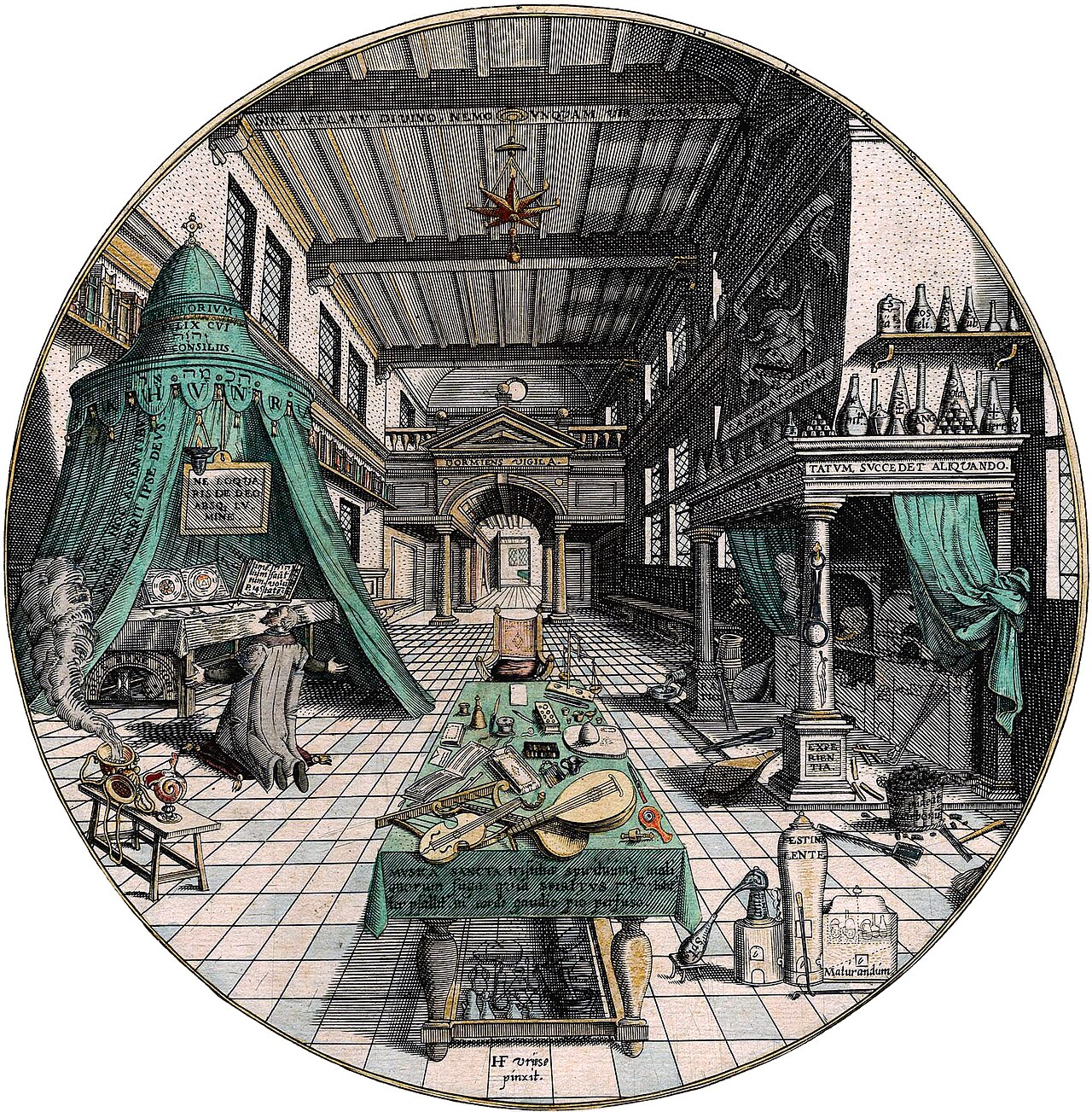
The Hermetic Museum: Restored and Enlarged (Waite Edition)
A compendium of twenty-two celebrated seventeenth-century alchemical treatises on the Philosopher’s Stone, the Tria Prima, and the Spagyric Art, translated and annotated by Arthur Edward Waite.