Alchemy, an ancient and manifold tradition, weaves together mysticism, philosophy, and the pursuit of spiritual and material transformation.
The Essence of Alchemy
At its core, alchemy is a practice that seeks to transform base metals into gold, symbolizing the transmutation of the human soul. This process is deeply rooted in mysticism, philosophy, and the pursuit of spiritual enlightenment. Alchemists believe in the transmutation of matter, the synthesis of the Philosopher's Stone, and the pursuit of philosophical goals. The use of symbolic substances like mercury, sulphur, and salt, as well as the interaction between the spirit and the mind, are essential components of the alchemical process.
Alchemical Entities
The relationships among these traditions within the realm of alchemy reveal a network of connections. The Mutus Liber, a key text within alchemy, represents the material side of the tradition, while the Book of Lambspring embodies the spiritual aspect. The Tabula Smaragdina, an ancient text, symbolizes knowledge and alchemy, highlighting the significance of this concept within the tradition.
The mandragore, a plant with diverse magical and medicinal properties, is used in alchemical practices and has magical significance. The Emerald, a mythical stone containing inscriptions of Hermes Trismegistus, is a central object in the myth of the Hermetic Arts, symbolizing divine knowledge and power.
The Role of Key Figures in Alchemical History
Johannes Tritheim explains the nature of alchemy, describing it in terms of two kinds of knowledge in man: spirit and mind. Richard Burnet's historical writings mention the belief in the transmutation of metals, contributing to the discourse on alchemy. King William and Queen Mary of England repealed the statute against alchemy, legitimizing its practice.
The Significance of Alchemical Practices and Concepts
The practice of alchemy requires the use of weight and measure for multiplication and increase. The resurrection ritual, a central practice within the Rosicrucian and alchemical narratives, symbolizes the transformation of the self and the creation of the Philosopher's Stone.
Alchemical and Rosicrucian knowledge encompasses the full body of wisdom and practices associated with alchemy and Rosicrucianism. The evolution of arts and sciences is traced from prehistoric times, indicating an ancient lineage of knowledge.
Bibliographia & Fontes
Primary Source Books Used in This Article
The doctrines, historical citations, and symbolic correspondences synthesized in this article are drawn from the following primary works and chapters:
- I.Manly P. Hall, The Secret Teachings of All Ages1928
An Encyclopedic Outline of Masonic, Hermetic, Qabbalistic and Rosicrucian Symbolical Philosophy
Chapters / Sections Consulted:Ch. “Alchemy and Its Exponents” · Ch. “The Chemical Marriage of Christian Rosenkreutz” · Ch. “The Theory and Practice of Alchemy” - II.Franz Hartmann, In the Pronaos of the Temple of Wisdom / Philosophy of the Rosicrucians and Alchemists1890
Containing the History of the True and the False Rosicrucians and the Principles of Alchemy
- III.Arthur Edward Waite, The Pictorial Key to the Tarot1910
Being Fragments of a Secret Tradition under the Veil of Divination
- IV.Éliphas Lévi, Transcendental Magic: Its Doctrine and Ritual (Dogme et Rituel de la Haute Magie)1856 / 1896 trans.
Translated and Annotated by A. E. Waite
Chapters / Sections Consulted:Part II: The Ritual of Transcendental Magic - V.Hermes Trismegistus (attr.), Tabula Smaragdina (The Emerald Tablet)c. 8th–12th c.
Classical Primary Source Referenced in Text
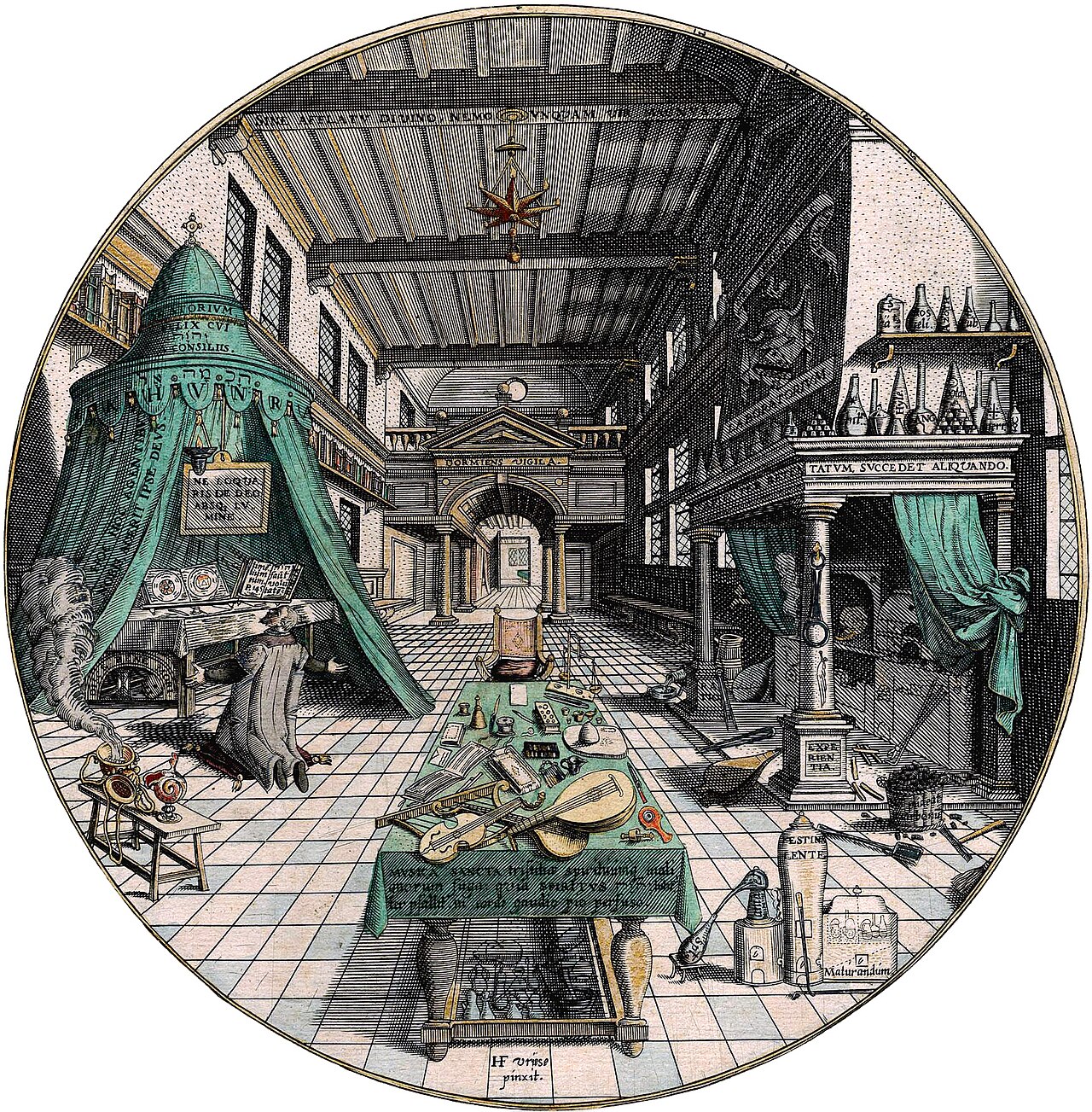
The Hermetic Museum: Restored and Enlarged (Waite Edition)
A compendium of twenty-two celebrated seventeenth-century alchemical treatises on the Philosopher’s Stone, the Tria Prima, and the Spagyric Art, translated and annotated by Arthur Edward Waite.