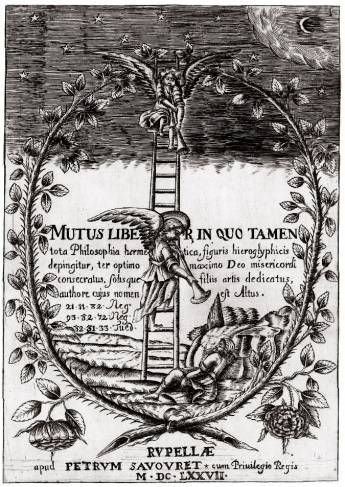
By examining the relationships among these traditions, concepts, and individuals, we will trace the complex web of ideas that underlies this esoteric discipline.
Alchemy
At the core of alchemy lies the concept of transformation, a notion that pervades every aspect of this tradition. The pursuit of spiritual and material transformation is deeply rooted in the idea of the Philosopher's Stone, a symbol of perfection and enlightenment. Alchemists believed in the transmutation of matter, the synthesis of the Philosopher's Stone, and the pursuit of spiritual enlightenment, viewing these processes as symbolic representations of the purification and perfection of the human soul.
Influences
The relationships among these traditions and individuals reveal a network of influences that have shaped the development of alchemy. The works of Johannes Tritheim, for example, provide insight into the nature of alchemy and its relationship between spirit and mind. The writings of Cremer, on the other hand, demonstrate a deep involvement in the practice of alchemy, with a focus on the transmutation of metals.
The connections between Raymond, Quintares, and Flammel reveal a network of knowledge sharing and influence that spans multiple generations. Raymond's work on transmutation, for instance, is believed to have influenced Flammel's understanding of the Hermetic arcanum. Similarly, the actions of Quintares and Cremer suggest a possible connection in the secretive alchemical practices.
The Alchemical Process
The alchemical process is characterized by the use of weight and measure, multiplication and increase, and the transformation of matter. The practice of alchemy requires a deep understanding of these concepts, as well as the ability to manipulate materials to achieve desired outcomes.
The Resurrection Ritual
The resurrection ritual is a central practice within the alchemical tradition, symbolizing the transformation and revival of the royal persons. This ritual is deeply connected to the concept of the Philosopher's Stone, which represents the ultimate goal of the alchemical process.
The Emerald and the Hermetic Arts
The Emerald, a central object in the myth of Hermes Trismegistus and the Hermetic Arts, symbolizes divine knowledge and power. This concept is deeply connected to the idea of alchemy, which seeks to unlock the secrets of nature and achieve spiritual enlightenment.
Bibliographia & Fontes
Primary Source Books Used in This Article
The doctrines, historical citations, and symbolic correspondences synthesized in this article are drawn from the following primary works and chapters:
- I.Manly P. Hall, The Secret Teachings of All Ages1928
An Encyclopedic Outline of Masonic, Hermetic, Qabbalistic and Rosicrucian Symbolical Philosophy
Chapters / Sections Consulted:Ch. “Alchemy and Its Exponents” · Ch. “The Chemical Marriage of Christian Rosenkreutz” · Ch. “The Theory and Practice of Alchemy” - II.Franz Hartmann, In the Pronaos of the Temple of Wisdom / Philosophy of the Rosicrucians and Alchemists1890
Containing the History of the True and the False Rosicrucians and the Principles of Alchemy
- III.Arthur Edward Waite, The Pictorial Key to the Tarot1910
Being Fragments of a Secret Tradition under the Veil of Divination
- IV.Éliphas Lévi, Transcendental Magic: Its Doctrine and Ritual (Dogme et Rituel de la Haute Magie)1856 / 1896 trans.
Translated and Annotated by A. E. Waite
Chapters / Sections Consulted:Part II: The Ritual of Transcendental Magic
Further Inquiry in This Cycle
Companion Studies & Disputations
Alchemy & Quintares: Transformation
Alchemy, an ancient and manifold tradition, weaves together mysticism, philosophy, and the pursuit of spiritual and material…
Raymond, Flammel & Bruce in Alchemy
The doctrine of Raymond encompasses esoteric relationships between historical figures and alchemical concepts, revealing a profound philosophical…
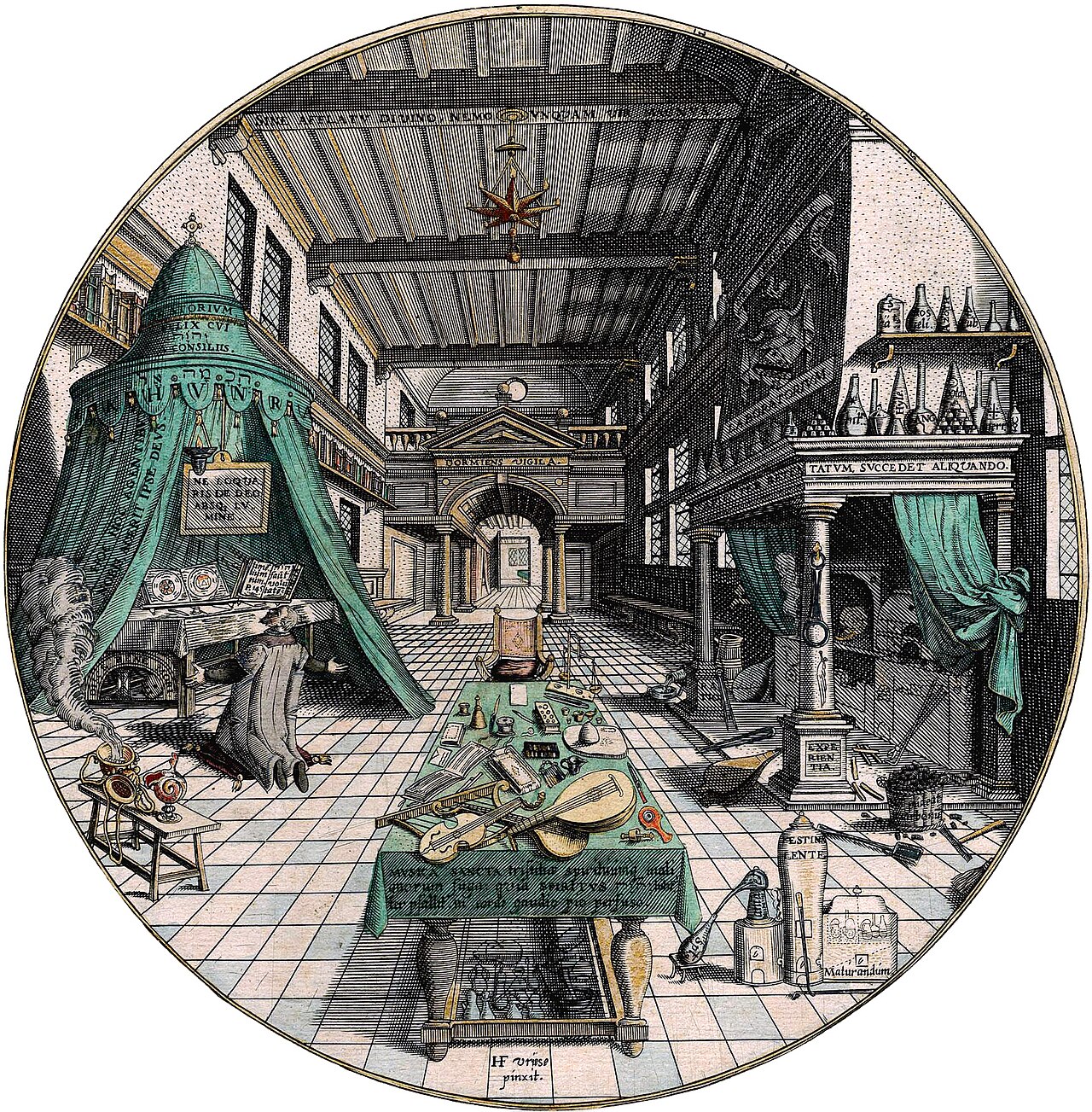
The Hermetic Museum: Restored and Enlarged (Waite Edition)
A compendium of twenty-two celebrated seventeenth-century alchemical treatises on the Philosopher’s Stone, the Tria Prima, and the Spagyric Art, translated and annotated by Arthur Edward Waite.