
In the study of the esoteric data points extracted from the Pythagoras tradition, focusing on the philosophical and mathematical contributions of Pythagoras, the Mystery Schools, and their influence on various cultures and intellectual traditions.
All Things
Central to Pythagoras' philosophy is the concept of the Grand Man, or the universe, which is seen as being in a constant interaction with the individual human (the little universe). This holistic view of existence is reflected in his teachings on the sidereal bodies, where he considers stars and planets as living entities, embodying a soul, mind, and spirit. The Pythagorean concept of the Mystery of Choice (Υ) further emphasizes the importance of moral and ethical decision-making in one's life, highlighting the fork in the path of life between divine wisdom and earthly wisdom.
Numbers and Music
Pythagoras' discovery of the diatonic scale and the application of mathematical principles to understanding musical intervals demonstrate his profound understanding of the harmony between numbers and music. The Spoondaic mode, used by Pythagoras as a therapeutic tool to calm emotions, particularly anger, showcases the practical application of his philosophical ideas. The flutes, however, were viewed with caution by Pythagoras, who considered them to have a potentially negative emotional impact.
The Influence of the Mystery Schools and Esoteric Traditions
Pythagoras' initiation into various Mystery Schools, including the Brahmin masters and the Chaldeans, reflects his deep engagement with esoteric traditions. His teachings on the healing powers of plants, particularly the sea onion, demonstrate his emphasis on the sympathy of all things and the importance of natural remedies. The verses from the Odyssey and Iliad, used by Pythagoras as a curative process to alleviate certain ailments, further highlight the connection between literature and healing in his teachings.
The Legacy of Pythagoras and the Pythagorean School
The Pythagorean school of thought, which includes philosophers such as Philolaus and Eudoxus, emphasizes the importance of arithmetic, music, astronomy, and geometry. The Canonics, a group within the Pythagorean school, are known for their rigorous approach to mathematics and music, distinguishing themselves from the Harmonic School of musicians. The Harmonic School, in contrast, prioritizes taste and instinct as the fundamental principles guiding harmony and music composition.
Bibliographia & Fontes
Primary Source Books Used in This Article
The doctrines, historical citations, and symbolic correspondences synthesized in this article are drawn from the following primary works and chapters:
- I.Manly P. Hall, The Secret Teachings of All Ages1928
An Encyclopedic Outline of Masonic, Hermetic, Qabbalistic and Rosicrucian Symbolical Philosophy
Chapters / Sections Consulted:Ch. “The Life and Philosophy of Pythagoras” · Ch. “The Life and Teachings of Thoth Hermes Trismegistus” · Ch. “The Pythagorean Theory of Music and Color” · Ch. “Pythagorean Mathematics” · Ch. “Introduction to Symbolical Philosophy”
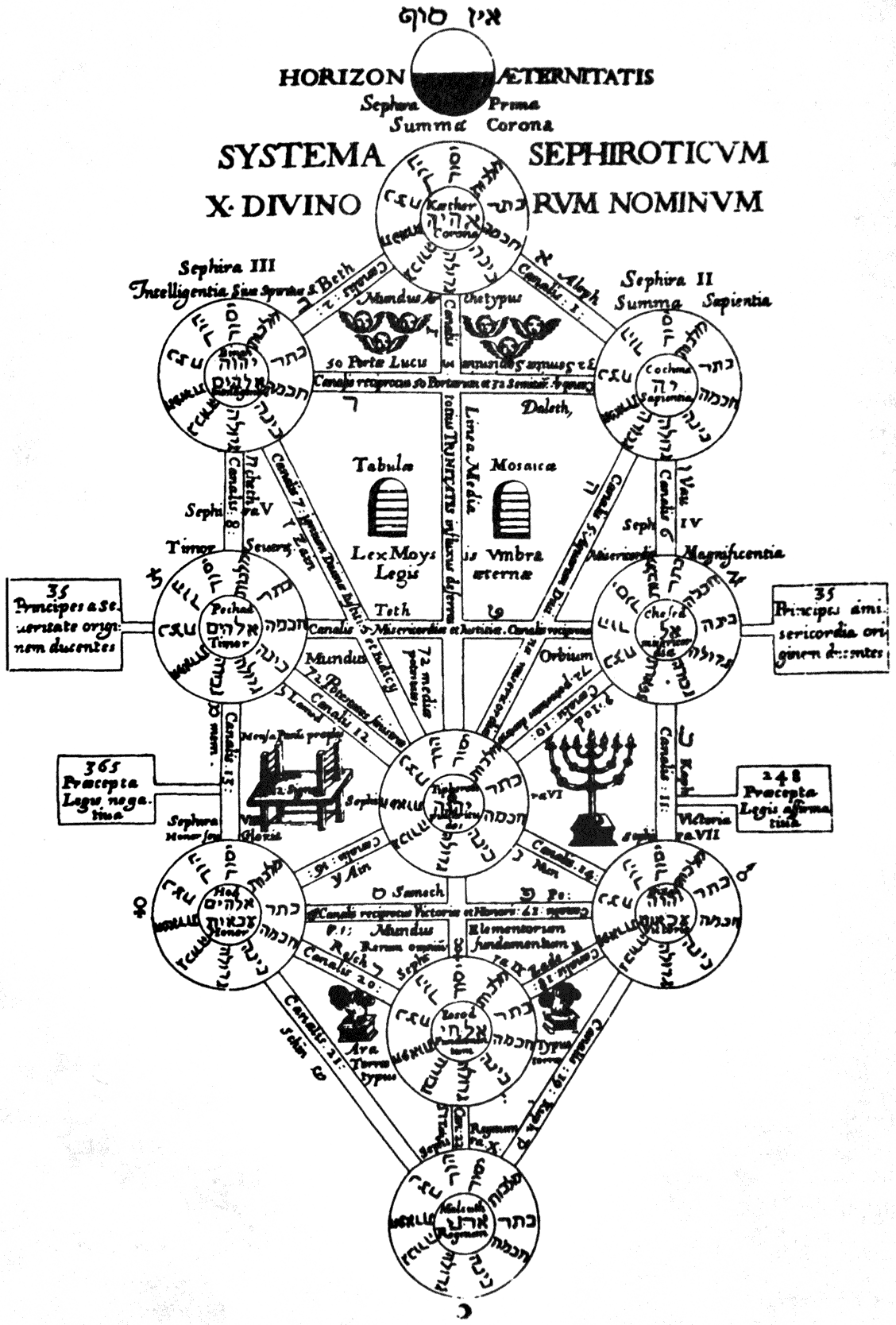
The Kabbalah Unveiled (S. L. MacGregor Mathers)
Containing the foundational translations and esoteric commentaries on the Book of Concealed Mystery, the Greater Holy Assembly, and the Lesser Holy Assembly from the Zohar.