By examining the connections between Mohammed and various concepts, individuals, and events, this analysis reveals the complexities of his character, the significance of his spiritual journey, and the enduring impact of his teachings on the Islamic community.
The Interplay of Power and Spirituality
Mohammed's life was marked by the interplay of power and spirituality. As a prophet, he received divine revelations from Angel Gabriel, which shaped the early teachings and practices of Islam. His connection to the cave on Mount Hira, where he received these revelations, highlights the significance of solitude and contemplation in his spiritual journey. His interactions with Nestorian Christians demonstrate the exchange of ideas and the influences that shaped early Islam.
However, Mohammed's life was also marked by challenges and attempts to undermine his authority. The attempt to poison him in Kheibar and the accusations of cruelty and licentiousness, which are contradicted by his reputation for simplicity and piety, reveal the complexities of his character and the conflicts he faced.
The Significance of Relationships and Community
Mohammed's relationships with his followers and family members are crucial in understanding his legacy. His close relationships with Abu Bakr, Umar, and Fātimah, as well as his interactions with Aisha during his final hours, demonstrate the importance of community and lineage in Islam. The fact that Abu Bakr is buried next to Mohammed, with Umar buried relative to Abu Bakr, highlights the significance of these relationships in the Islamic tradition.
The concept of simplicity is closely tied to Mohammed's leadership and personal life. His simple lifestyle and leadership style, which contrasted with accusations of cruelty and licentiousness, emphasize the importance of humility and modesty in Islam.
The Enduring Legacy of Mohammed
Mohammed's legacy is deeply rooted in the Islamic community, and his burial under the floor of the Hujrah symbolizes his place in history and Islamic tradition. His military triumphs, which were selfless and did not arouse vainglory, demonstrate his leadership and commitment to the early Islamic community.
This analysis reveals the complexities of Mohammed's character, the significance of his spiritual journey, and the enduring impact of his teachings on the Islamic community.
Bibliographia & Fontes
Primary Source Books Used in This Article
The doctrines, historical citations, and symbolic correspondences synthesized in this article are drawn from the following primary works and chapters:
- I.Manly P. Hall, The Secret Teachings of All Ages1928
An Encyclopedic Outline of Masonic, Hermetic, Qabbalistic and Rosicrucian Symbolical Philosophy
Chapters / Sections Consulted:Ch. “The Faith of Islam” - II.A. E. Thierens, The General Book of the Tarot1930
Containing the Astrological Key to the Esoteric Tradition of the Greater and Lesser Arcana (Intro. by A. E. Waite)
Further Inquiry in This Cycle
Companion Studies & Disputations
Mohammed & Aisha: The Prophetic Nexus
Through a philosophical lens, we will synthesize the entities and relationships presented, exploring the underlying themes, motifs, and concepts that…
The Interplay of Oppression: Unpacking Cruelty and Tyranny
Through a critical examination of the relationships between these concepts, we will uncover the ways in which Cruelty can manifest as a form of Tyranny…
Kheibar & Poisoning: The Toxic Nexus
By examining the attempted poisoning of Mohammed in Kheibar, we will trace the symbolic and conceptual implications of this event, revealing a network of…
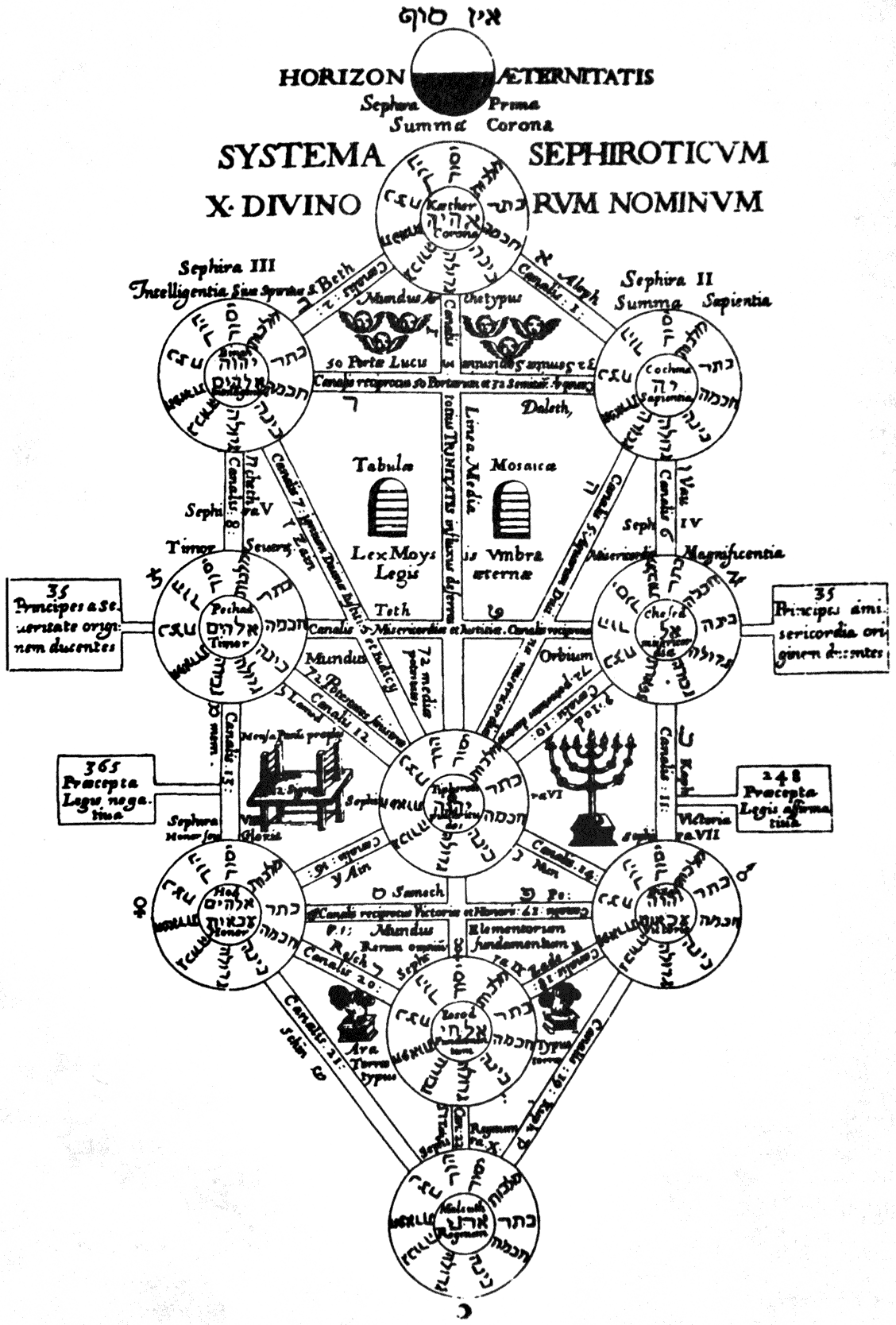
The Kabbalah Unveiled (S. L. MacGregor Mathers)
Containing the foundational translations and esoteric commentaries on the Book of Concealed Mystery, the Greater Holy Assembly, and the Lesser Holy Assembly from the Zohar.