Through an analysis of entities, concepts, and relationships, this synthesis reveals the complexities and nuances of Mohammed's life, from his early spiritual journey to his later years as a leader and prophet. The essay explores themes of simplicity, leadership, and the nature of power, highlighting Mohammed's reputation for modesty, piety, and selflessness.
The Early Spiritual Journey
Mohammed's early spiritual journey was marked by solitude and contemplation. His frequent visits to the cave on Mount Hira, where he received divine revelations, demonstrate his commitment to spiritual growth and self-discovery. The relationship between Mohammed and Angel Gabriel, who delivered important revelations to him, highlights the significance of spiritual guidance in his life.
The influence of Nestorian Christians on Mohammed's early understanding of Christian doctrine and belief is also noteworthy. This exposure to diverse spiritual traditions underscores Mohammed's openness to new ideas and his willingness to engage with different perspectives.
Leadership and Power
Mohammed's leadership was characterized by simplicity and selflessness. His military triumphs, though significant, did not lead to vainglory or personal aggrandizement. Instead, they demonstrated his ability to lead with humility and compassion.
The concept of cruelty is particularly relevant in this context. Contrary to misconceptions, Mohammed was not accused of extreme cruelty. His leadership was marked by a commitment to justice and fairness, rather than the abuse of power.
Relationships and Lineage
Mohammed's relationships with others are a testament to his compassion and empathy. His marriage to Khadijah, a wealthy and influential woman in Mecca, was a pivotal moment in his life. Khadijah's support and encouragement were instrumental in his early spiritual journey and later success as a prophet.
The relationships between Mohammed and his followers, including Abu Bakr and Umar, demonstrate the strong bonds of loyalty and devotion that existed within the early Islamic community. The burial of Mohammed under the floor of the Hujrah, with Abu Bakr buried next to him, symbolizes the close relationship between these leaders and the significance of their legacy.
Legacy and Impact
Mohammed's legacy is complex and manifold. His role as the Prophet of Islam is central to the faith, and his teachings continue to shape the spiritual lives of millions. The concept of Islam is inextricably linked to Mohammed's life and legacy, and his influence extends far beyond the boundaries of the Islamic world.
The attempted poisoning of Mohammed in Kheibar, which had significant consequences for his health and later life, serves as a poignant reminder of the challenges and hardships he faced as a leader.
Bibliographia & Fontes
Primary Source Books Used in This Article
The doctrines, historical citations, and symbolic correspondences synthesized in this article are drawn from the following primary works and chapters:
- I.Manly P. Hall, The Secret Teachings of All Ages1928
An Encyclopedic Outline of Masonic, Hermetic, Qabbalistic and Rosicrucian Symbolical Philosophy
Chapters / Sections Consulted:Ch. “The Faith of Islam” - II.Éliphas Lévi, Transcendental Magic: Its Doctrine and Ritual (Dogme et Rituel de la Haute Magie)1856 / 1896 trans.
Translated and Annotated by A. E. Waite
Chapters / Sections Consulted:Part II: The Ritual of Transcendental Magic - III.A. E. Thierens, The General Book of the Tarot1930
Containing the Astrological Key to the Esoteric Tradition of the Greater and Lesser Arcana (Intro. by A. E. Waite)
Further Inquiry in This Cycle
Companion Studies & Disputations
The Life and Legacy of Mohammed
By examining the connections between Mohammed and various concepts, individuals, and events, this analysis reveals the complexities of his character, the…
Khadijah: Spiritual Journey and Community
By examining the relationships between key entities, including the Hegira, Khadijah, and the Cavern, we uncover a rich body of themes that illuminate the…
Ramadan & Alborak: The Luminous Nexus
By examining the entities and their relationships, we reveal a profound philosophical framework that demonstrates the significance of spiritual revelation…
Gabriel: The Paradoxical Duality of Wisdom
The esoteric data points extracted from the Gabriel tradition reveal a fascinating dynamic between two entities, Gabriel and Uriel, both of which are…
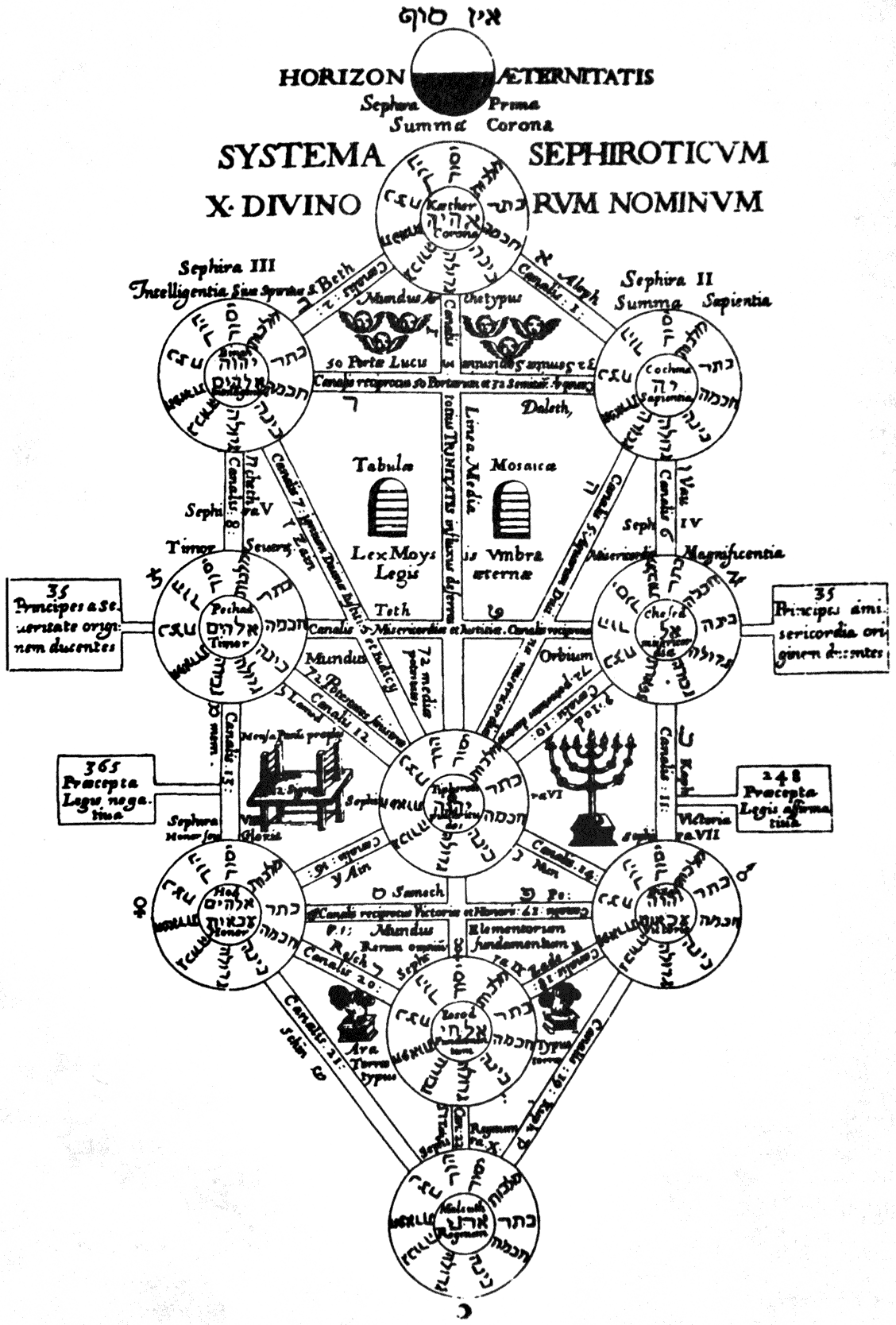
The Kabbalah Unveiled (S. L. MacGregor Mathers)
Containing the foundational translations and esoteric commentaries on the Book of Concealed Mystery, the Greater Holy Assembly, and the Lesser Holy Assembly from the Zohar.