Through a synthesis of the surviving literature points, we will explore the Caaba's role as a sacred site in Islam, its connections to the Prophet Muhammad, and its relationship with other key figures and concepts. This analysis will reveal the Caaba's manifold nature as a site of worship, a symbol of Islamic identity, and a nexus of spiritual and historical significance.
The Caaba as a Sacred Site
The Caaba, also known as the Kaaba, is a sacred site in Islam, situated in the heart of the Islamic holy city of Mecca. Its significance is underscored by its historical and religious importance, as well as the presence of the Black Stone, a revered object that is an integral part of the Islamic pilgrimage ritual. The Caaba's connection to the Prophet Muhammad is evident in its role as the direction of prayer, which was ordered by Muhammad himself. Muhammad's destruction of idols within the Caaba and its rebuilding with the assistance of Ishmael and Hagar demonstrate the site's importance in Islamic history and tradition.
The Caaba's Connections to Key Figures
The Caaba's significance is further reinforced by its connections to various key figures in Islamic history and tradition. The relationship between the Caaba and Muhammad is particularly noteworthy, as Muhammad's instructions to Fatima and Safiya to seek their own salvation independently of their husbands' virtues highlight the importance of individual spiritual agency. The Caaba's connection to Ishmael, who assisted in its rebuilding with his father Abraham, demonstrates the site's importance in Islamic tradition and the reverence accorded to Ishmael's memory. The graves of Hagar and Ishmael near the Caaba serve as a poignant reminder of their contributions to the site's history and significance.
The Caaba as a Symbol of Islamic Identity
The Caaba's significance extends beyond its historical and religious importance, as it has become a symbol of Islamic identity and a nexus of spiritual and cultural significance. The Carmathians' capture of the Black Stone for over twenty years before its return highlights the site's importance as a symbol of Islamic unity and solidarity. The Caaba's connection to Al-Izza, a deity worshipped in ancient Mecca later transformed into a symbol of Islam, demonstrates the site's role in the evolution of Islamic theology and practice. The Mehdien Minarets, part of the structure surrounding the Caaba, provide access to the roof and are used in rituals, further demonstrating the site's importance in Islamic worship and practice.
Bibliographia & Fontes
Primary Source Books Used in This Article
The doctrines, historical citations, and symbolic correspondences synthesized in this article are drawn from the following primary works and chapters:
- I.Manly P. Hall, The Secret Teachings of All Ages1928
An Encyclopedic Outline of Masonic, Hermetic, Qabbalistic and Rosicrucian Symbolical Philosophy
Chapters / Sections Consulted:Ch. “The Faith of Islam” · Ch. “American Indian Symbolism”
Further Inquiry in This Cycle
Companion Studies & Disputations
Caaba: And Historical Significance
The Caaba, a cube-shaped building in Mecca, Saudi Arabia, stands as the most sacred site in Islam. Through a synthesis of the surviving literature points…
Mecca: The Paradox of Sanctity and Suffering
Our analysis will demonstrate how this narrative offers profound insights into the nature of spiritual leadership, the consequences of violence, and the…
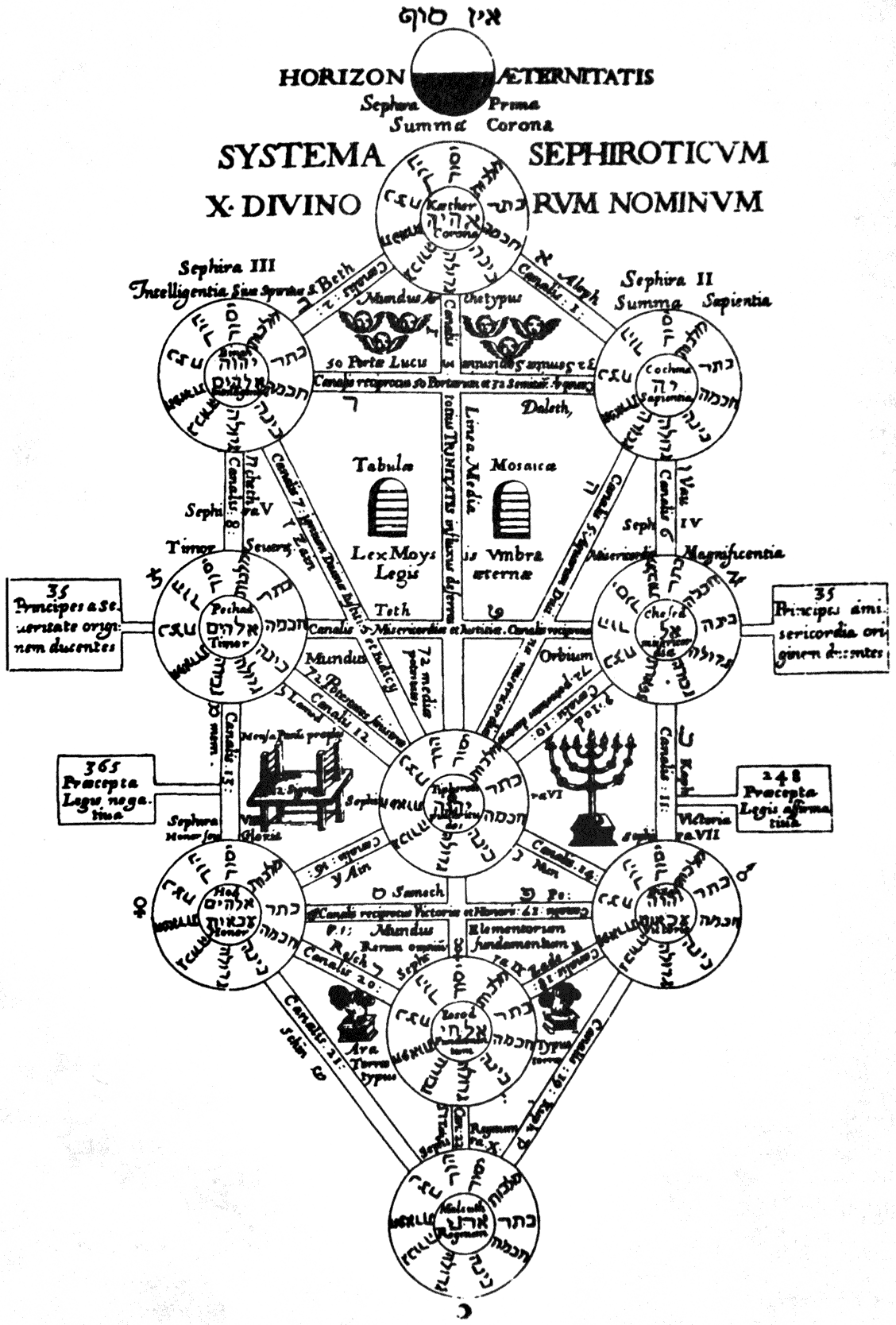
The Kabbalah Unveiled (S. L. MacGregor Mathers)
Containing the foundational translations and esoteric commentaries on the Book of Concealed Mystery, the Greater Holy Assembly, and the Lesser Holy Assembly from the Zohar.