In the study of the philosophical and historical significance of the Caaba, a cube-shaped building in Mecca, Saudi Arabia, and its connections to the Islamic world. Through an analysis of the classical sources and relationships, we explore the mystical, historical, and cultural importance of the Caaba, shedding light on its role in Islamic tradition and the lives of key figures such as the Prophet Muhammad, A'isha, and Abu Bakr.
The Caaba: A Hub of Islamic Spirituality and History
The Caaba, also known as the Kaaba, is a revered structure in Mecca, Saudi Arabia, and serves as the most sacred site in the Islamic world. Its significance extends beyond its physical presence, as it is closely wedded with the lives and teachings of the Prophet Muhammad and other key figures in Islamic history. The Caaba's importance is underscored by its connection to the Koran, which describes its holiness and significance in Islamic worship.
Mystical and Historical Significance
The Caaba's mystical and historical significance is underscored by its association with the Prophet Muhammad, who destroyed idols within the structure and ordered the direction of prayer toward it. The Caaba is also linked to the Prophet's personal and religious history, as it was a site where he performed purifications and proclaimed monotheism. The Caaba is said to contain examples of inspiration and contradictions stemming from secret doctrines of its history, as mentioned in the Koran.
Connections to Islamic Tradition and Culture
The Caaba's significance is further reinforced by its connections to Islamic tradition and culture. It is linked to the lineage of Mohammedan rulers, who reinterpreted the Caaba as a symbol of Islamic history and culture. The Caaba is also associated with the CABIR STONE, a talisman with an engraving of Venus, which reflects a blending of religious traditions. The Caaba is connected to the Arabian Mystery Teachings, which influenced Islamic philosophy and practice.
The Role of Key Figures
The lives and teachings of key figures such as the Prophet Muhammad, A'isha, and Abu Bakr are closely wedded with the Caaba's significance. A'isha, the wife of the Prophet Muhammad, provides insight into his daily life and helps provide context for understanding passages in the Koran. Abu Bakr, a close friend and confidant of the Prophet Muhammad, became the leader of the faithful and first caliph after Muhammad's death. The Prophet Muhammad's teachings and life are also referenced in the defense of Islamic beliefs by Mohammed Webb.
Bibliographia & Fontes
Primary Source Books Used in This Article
The doctrines, historical citations, and symbolic correspondences synthesized in this article are drawn from the following primary works and chapters:
- I.Manly P. Hall, The Secret Teachings of All Ages1928
An Encyclopedic Outline of Masonic, Hermetic, Qabbalistic and Rosicrucian Symbolical Philosophy
Chapters / Sections Consulted:Ch. “The Faith of Islam” · Ch. “American Indian Symbolism”
Further Inquiry in This Cycle
Companion Studies & Disputations
Mohammad, A'isha & Abu Bekr in Kabbalah, Numerology
By examining the relationships between Mohammed, Abu Bekr, Ali, A'isha, and the sacred structure of Mecca's Caaba, we gain insight into the philosophical…
Nexus of Islamic Esoterica: Koran, Prophet, and Interconnectedness
Through a meticulous analysis of the surviving literature points, we will trace the philosophical underpinnings of this Islamic-centric community…
Dynamics of Mohammedan Rulers
Through a careful analysis of these figures and symbols and their connections, we will uncover the underlying philosophical dynamics that governed the…
Caaba, Mecca & Poisoning At Kheibar in Kabbalah, Numerology
Through a synthesis of the surviving literature points, we will explore the Caaba's role as a sacred site in Islam, its connections to the Prophet…
The Kabbalah Unveiled (S. L. MacGregor Mathers)
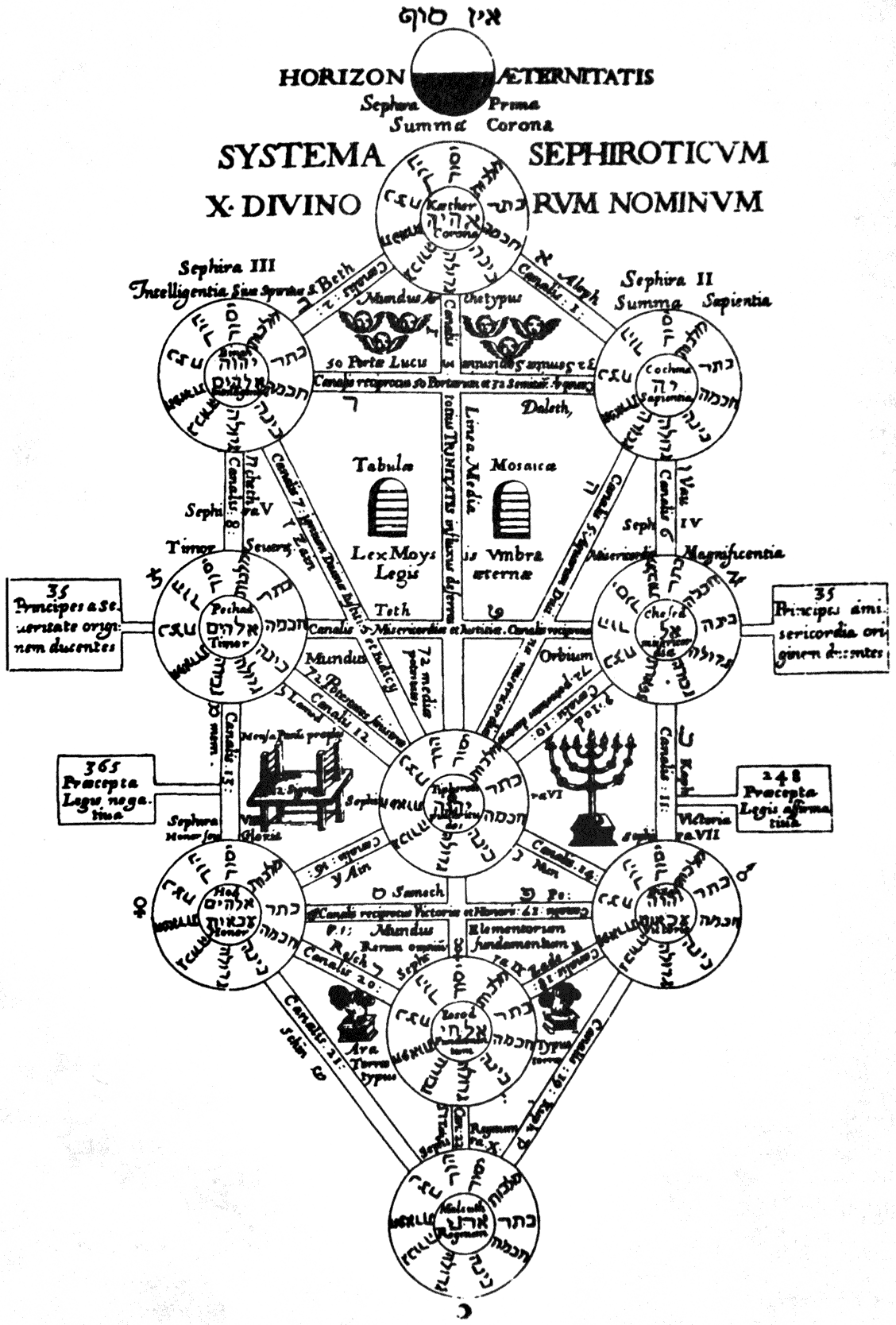
Containing the foundational translations and esoteric commentaries on the Book of Concealed Mystery, the Greater Holy Assembly, and the Lesser Holy Assembly from the Zohar.