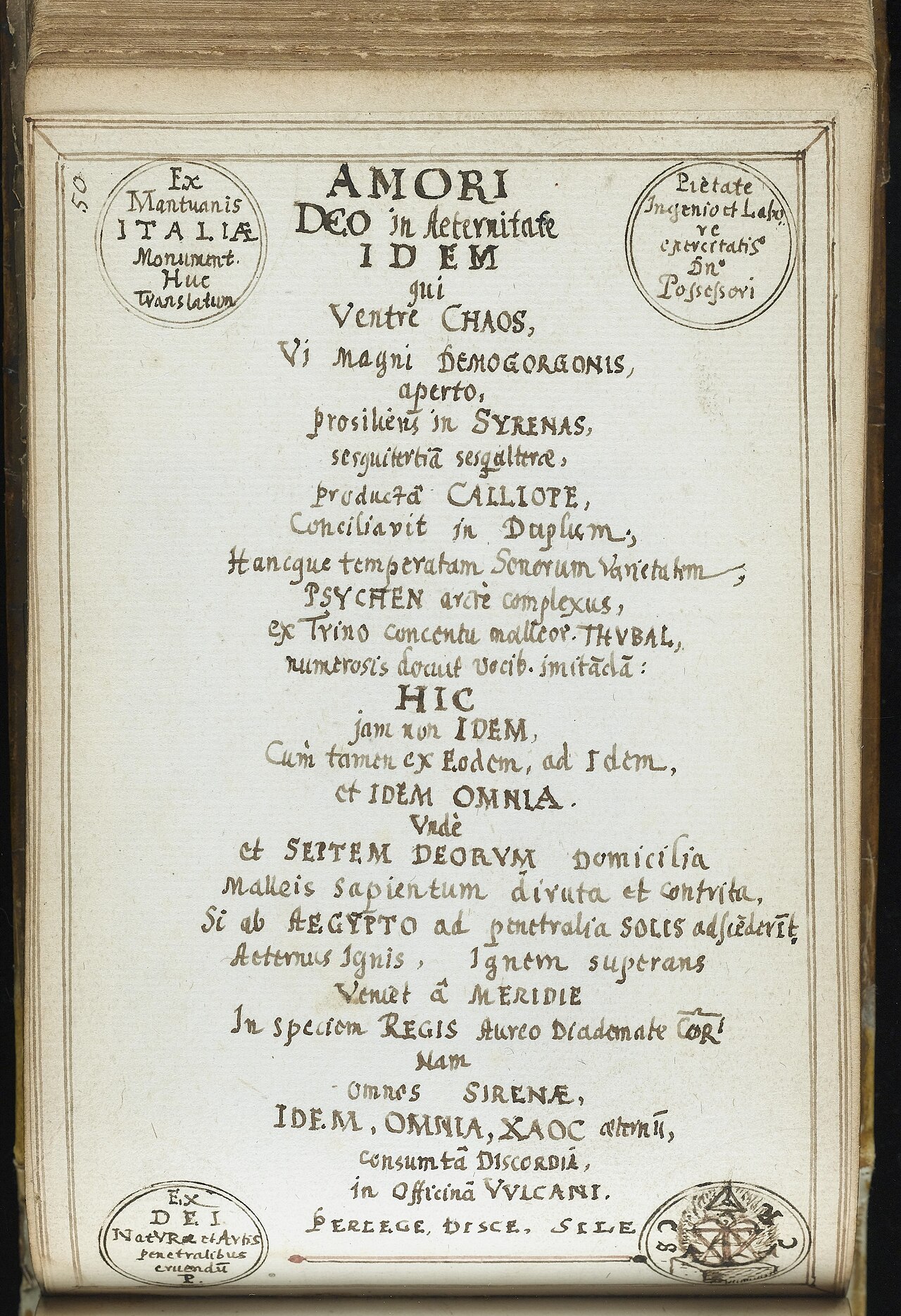
Isis, the ancient Egyptian goddess, embodies a rich body of mystical, philosophical, and cultural significance. By examining the intricate web of connections between Isis and other key figures, symbols, and ideas, we gain a deeper understanding of her role as a powerful, life-giving force, and her enduring impact on human culture and spirituality.
The Mystical and Philosophical Significance of Isis
Isis, as a central figure in ancient Egyptian and Greco-Roman mythology, is closely wedded with various concepts and entities that reveal her manifold nature. Her relationship with Nephthys, her sister and consort of Osiris, highlights the mythological context of the family unit and their respective roles. The connection between Isis and Aroueris (Thoth, or Mercury), the god of wisdom and writing, attests to the necessity of knowledge and understanding in the mythological context.
The Trojan Wars, fought over a statue of the moon goddess, demonstrate the struggle for divine favor and power, echoing the significance of Isis in mythological studies. The concept of the sultan, a powerful ruler, can be metaphorically associated with Isis's divine authority, while Le Plongeon's theories about the historical basis of the Egyptian myth of Isis in Mayan culture add a new layer to the understanding of her concepts.
The Bibliothèque des Philosophes Hermétiques, a collection of hermetic texts, houses the fourth book, which explores the symbols and attributes of Isis, solidifying her position within the hermetic tradition. Isis's association with the solar virgin, embodying solar luminosity and wisdom, further emphasizes her celestial nature. Her connection to the occult and magical arts, encompassing necromancy, invocation, sorcery, and thaumaturgy, underscores her role as a powerful, mystical force.
The snake, as a metaphor for purification processes, is directly linked to Isis, highlighting her authority and influence in overseeing these processes. The solar virgin, a symbol of wisdom and solar luminosity, is also associated with Isis, reinforcing her connection to celestial and mystical realms.
The Universal Being and the Pantomorphic IYNX
Isis's representation as the Pantomorphic IYNX, a symbol of the Universal Being, underscores her role as a central figure in the mystical and philosophical traditions. The Pantomorphic IYNX, as a transmitting intelligence, is closely tied to the concept of Isis, emphasizing her connection to the universal and the divine.
The Follower of Isis
A true follower of Isis comprehends the history and hidden truths behind the gods, demonstrating a deep understanding of the mystical and philosophical significance of Isis. This follower is dedicated through reason and philosophy, affirming the role of intellectual and spiritual pursuits in grasping the essence of Isis.
Bibliographia & Fontes
Primary Source Books Used in This Article
The doctrines, historical citations, and symbolic correspondences synthesized in this article are drawn from the following primary works and chapters:
- I.Manly P. Hall, The Secret Teachings of All Ages1928
An Encyclopedic Outline of Masonic, Hermetic, Qabbalistic and Rosicrucian Symbolical Philosophy
Chapters / Sections Consulted:Ch. “Isis, the Virgin of the World” · Ch. “The Bembine Table of Isis”
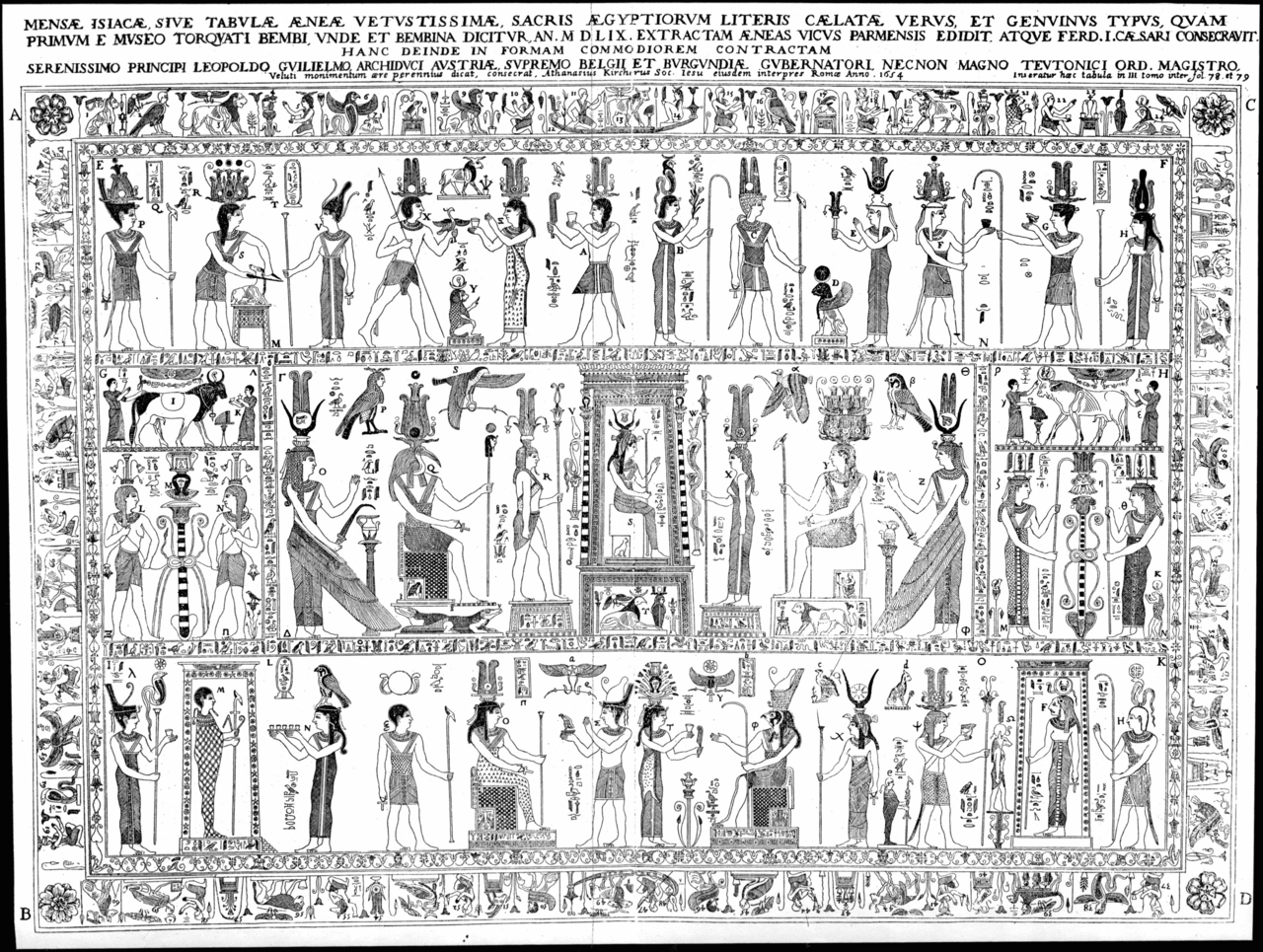
Isis Unveiled: A Master-Key to the Mysteries of Ancient and Modern Science and Theology
H. P. Blavatsky’s monumental two-volume comparative synthesis of Egyptian, Hermetic, Chaldean, and Hindu cosmogonies and ancient mystery traditions.