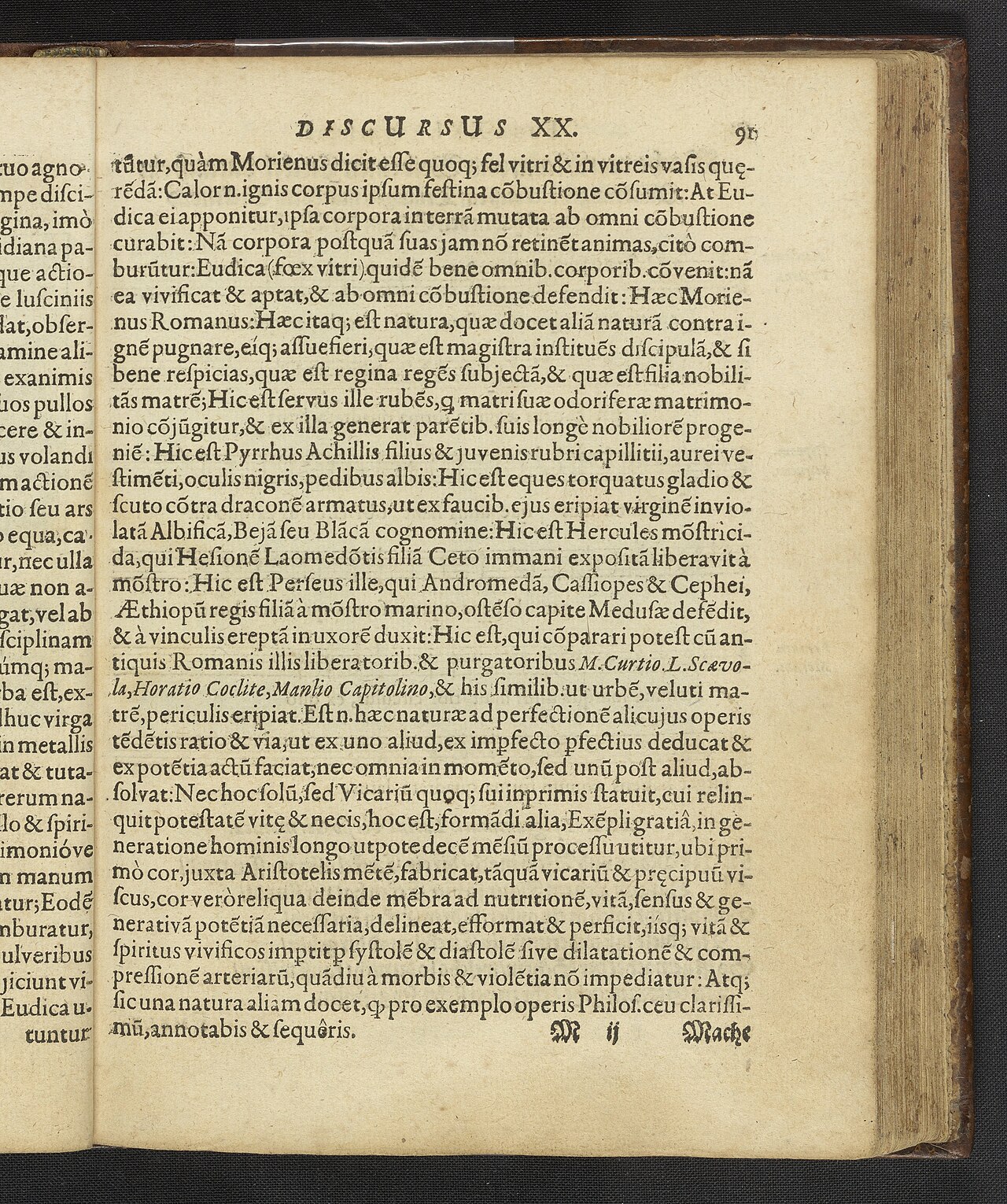
The Lapis Philosophorum, or Philosophers' Stone, is a concept rooted in alchemical philosophy, representing a transformative agent capable of transmuting base metals into gold, achieving immortality, and fostering spiritual elevation.
The Lapis Philosophorum: A Catalyst for Spiritual and Material Transformation
The Lapis Philosophorum is a substance of immense transformative power, capable of transmuting base metals into gold (Metamorphosis of Metals) and achieving immortality. This process of transformation is not limited to the material realm, as the Lapis Philosophorum also elevates the mind to divine understanding (Spiritual Elevation), promoting a deeper contemplation of reality. The essence of the Lapis Philosophorum is characterized by Benevolence, a quality that enables its bearer to act charitably and kindly towards others without depleting their own resources or well-being.
The Lapis Philosophorum's relationship with the preservation of a healthy mind (Mentem Sanam) and body (Corpore Sano) underscores its holistic approach to transformation. By preserving the health of both mind and body, the Lapis Philosophorum creates a fertile ground for spiritual growth and material prosperity. The Lapis Philosophorum's ability to eradicate evil inclinations (Evil Inclinations) and foster moral virtues highlights its role in shaping a virtuous and ethical character.
Spiritual and Material Realms
The Lapis Philosophorum's relationships with Inexhaustible Resources and Glory reveal a profound understanding of the sympathy of spiritual and material realms. The Lapis Philosophorum's power to provide inexhaustible resources for benevolence and charity (Inexhaustible Resources) is a testament to the idea that spiritual growth and material prosperity are intertwined. The Lapis Philosophorum's association with Glory, considered the Glory of the Whole World, underscores its role in revealing the unity and harmony that underlies all existence.
The Organs of the Soul and the Metamorphosis of Consciousness
The Lapis Philosophorum's relationship with the Organs of the Soul highlights its role in facilitating a metamorphosis of consciousness. By invigorating the organs of the soul, the Lapis Philosophorum enhances cognitive abilities, enabling the individual to navigate the complexities of the inner and outer worlds. This metamorphosis of consciousness is not limited to individual transformation, as the Lapis Philosophorum's power to transform base metals into gold (Metamorphosis of Metals) has far-reaching implications for the material realm.
Prince Lichtenstein and the Artificial Diamond
The example of Prince Lichtenstein's artificial diamond, valued at 500,000 Ducats, attributed to the Lapis Philosophorum's power, serves as a testament to the idea that the transformative power of the Lapis Philosophorum can be actualized in the material realm. This example demonstrates the idea that the Lapis Philosophorum's power is not limited to the spiritual realm but can have tangible, material consequences.
Bibliographia & Fontes
Primary Source Books Used in This Article
The doctrines, historical citations, and symbolic correspondences synthesized in this article are drawn from the following primary works and chapters:
- I.Manly P. Hall, The Secret Teachings of All Ages1928
An Encyclopedic Outline of Masonic, Hermetic, Qabbalistic and Rosicrucian Symbolical Philosophy
Chapters / Sections Consulted:Ch. “The Theory and Practice of Alchemy”
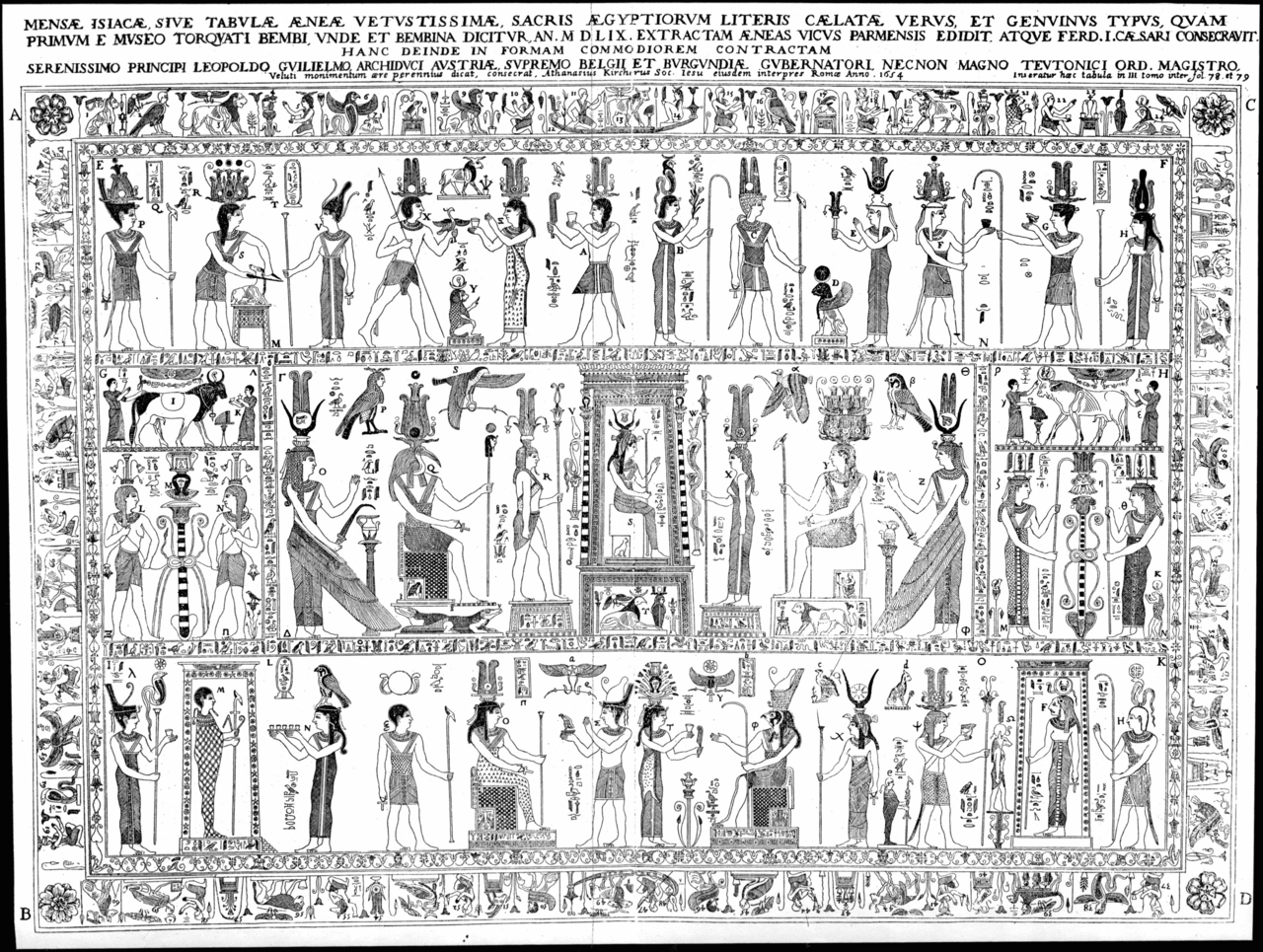
Isis Unveiled: A Master-Key to the Mysteries of Ancient and Modern Science and Theology
H. P. Blavatsky’s monumental two-volume comparative synthesis of Egyptian, Hermetic, Chaldean, and Hindu cosmogonies and ancient mystery traditions.