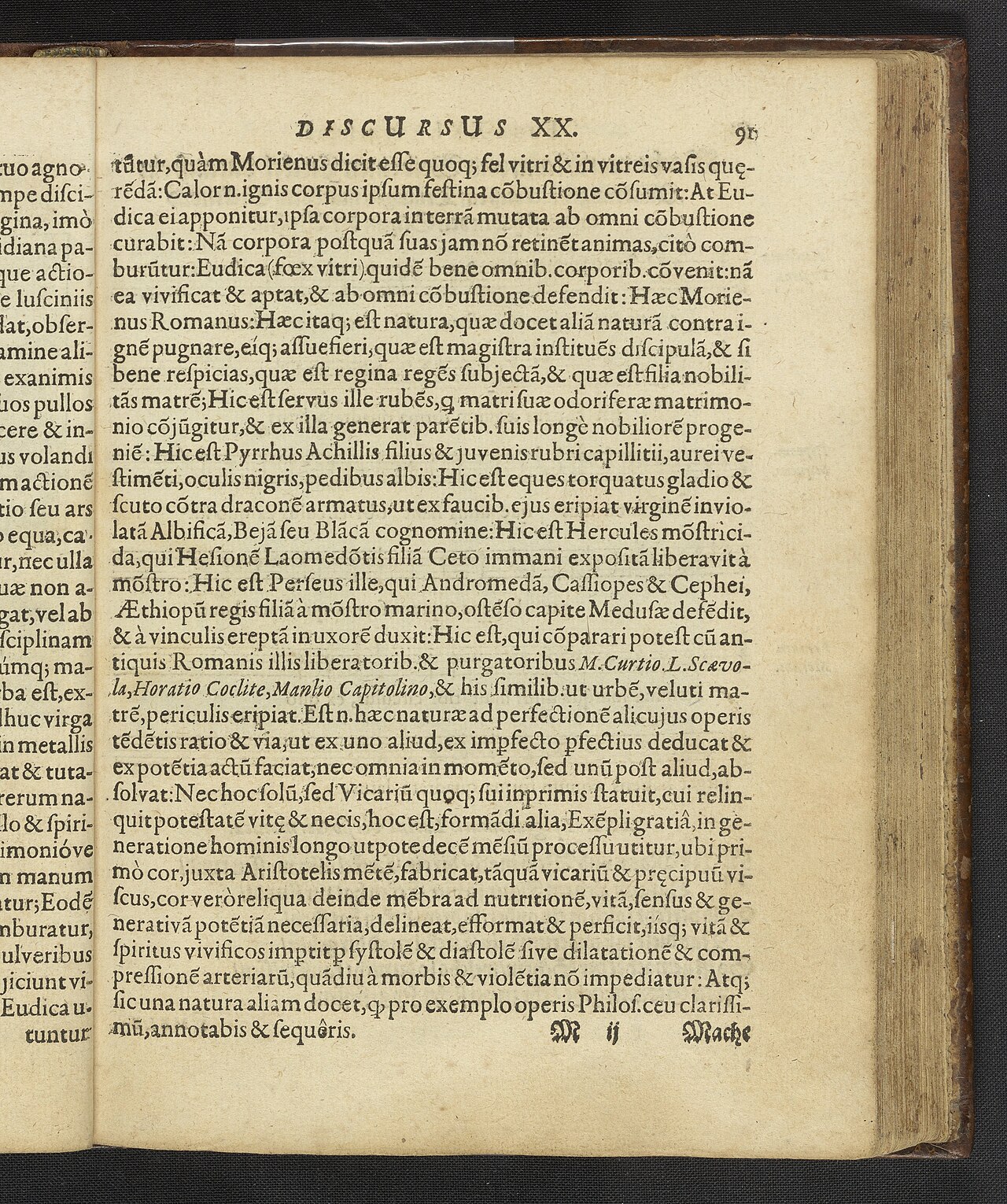
The doctrine of Lapis Philosophorum encompasses concepts, entities, and relationships that collectively form a philosophical paradigm centered around the Lapis Philosophorum, a mythical substance with transformative properties.
The Interconnected Web of Concepts
Central to this hermetic lineage is the Lapis Philosophorum, a substance with extraordinary properties that can transform base metals into gold, preserve a healthy mind and body, and facilitate spiritual elevation. This concept is closely bound to traditional doctrines and relationships that collectively form a philosophical narrative.
The concepts of Avarice and Precaution are closely related, reflecting a cautious mindset in managing resources and life's work. This mindset is juxtaposed with the concept of Envy, which is depicted as a catalyst for mental and emotional conflicts. However, the Lapis Philosophorum is associated with the power to root out Envy, promoting a virtuous character.
The relationships between the Lapis Philosophorum and various concepts reveal its transformative properties. It can preserve a healthy mind (Mentem Sanam) and body (Corpore Sano), facilitate benevolence and charity, and provide inexhaustible resources for these purposes. The Lapis Philosophorum is also associated with the concept of Glory, considered the Glory of the Whole World.
The connections between the Lapis Philosophorum and Divine Truths, as symbolized by the Seven Strings, promote spiritual understanding and contemplation of the true nature of reality. The Lapis Philosophorum can also eliminate Evil Inclinations, fostering moral virtues, and invigorate the Organs of the Soul, enhancing cognitive abilities.
The Role of the Rosicrucian Order
The Rosicrucian Order, symbolized by the Rosy Cross, is a lineage of hermetic and mystical practices believed to be associated with the Lapis Philosophorum and its transformative properties. This Order is connected to Philaletha, who attests to the power of the Lapis Philosophorum. Prince Lichtenstein, a member of this lineage, owned an artificial diamond valued at 500,000 Ducats, attributed to the Lapis Philosophorum.
Philosophical Implications
The philosophical paradigm of this hermetic lineage presents a nuanced exploration of the human condition, affirming the role of moral virtues, spiritual elevation, and personal transformation. The Lapis Philosophorum serves as a catalyst for these transformations, promoting a virtuous character, spiritual understanding, and contemplation of the true nature of reality.
The correspondences among traditional symbols and concepts reveal a network of relationships that demonstrate the importance of balance and harmony in personal and spiritual growth. The Lapis Philosophorum, as a symbol of transformation, offers a powerful tool for individuals seeking to overcome negative inclinations and cultivate moral virtues.
The philosophical paradigm of this hermetic lineage presents a profound exploration of the human condition, inviting individuals to contemplate the nature of reality, cultivate moral virtues, and strive for spiritual elevation. The Lapis Philosophorum, as a mythical substance with transformative properties, serves as a powerful symbol of the human potential for growth, transformation, and self-realization.
Bibliographia & Fontes
Primary Source Books Used in This Article
The doctrines, historical citations, and symbolic correspondences synthesized in this article are drawn from the following primary works and chapters:
- I.Manly P. Hall, The Secret Teachings of All Ages1928
An Encyclopedic Outline of Masonic, Hermetic, Qabbalistic and Rosicrucian Symbolical Philosophy
Chapters / Sections Consulted:Ch. “The Ancient Mysteries and Secret Societies (Part III)” · Ch. “The Theory and Practice of Alchemy” - II.A. E. Thierens, The General Book of the Tarot1930
Containing the Astrological Key to the Esoteric Tradition of the Greater and Lesser Arcana (Intro. by A. E. Waite)
- III.Franz Hartmann, In the Pronaos of the Temple of Wisdom / Philosophy of the Rosicrucians and Alchemists1890
Containing the History of the True and the False Rosicrucians and the Principles of Alchemy
Further Inquiry in This Cycle
Companion Studies & Disputations
The Interplay of Precaution and Avarice: A Philosophical Synthesis
The concepts of Precaution and Avarice, as extracted from the Avarice tradition, present a nuanced exploration of the human relationship with resources…
The Lapis Philosophorum
The Lapis Philosophorum, or Philosophers' Stone, is a concept rooted in alchemical philosophy, representing a transformative agent capable of transmuting…
Philolaetha: Philaletha and the Rosicrucian Order
This essay examines the esoteric domain of this hermetic lineage, exploring the esoteric connections between Philaletha, a personification of…
Divine Truths: The Harmonics of Universal Knowledge
Through a philosophical analysis of the relationships between these figures and symbols, this synthesis reveals the intricacies of Orpheus's teachings…
The Alchemical Paradox of ENVY
Through a nuanced analysis of the relationships between these concepts, we reveal a complex interplay between mental and emotional conflict, interpersonal…
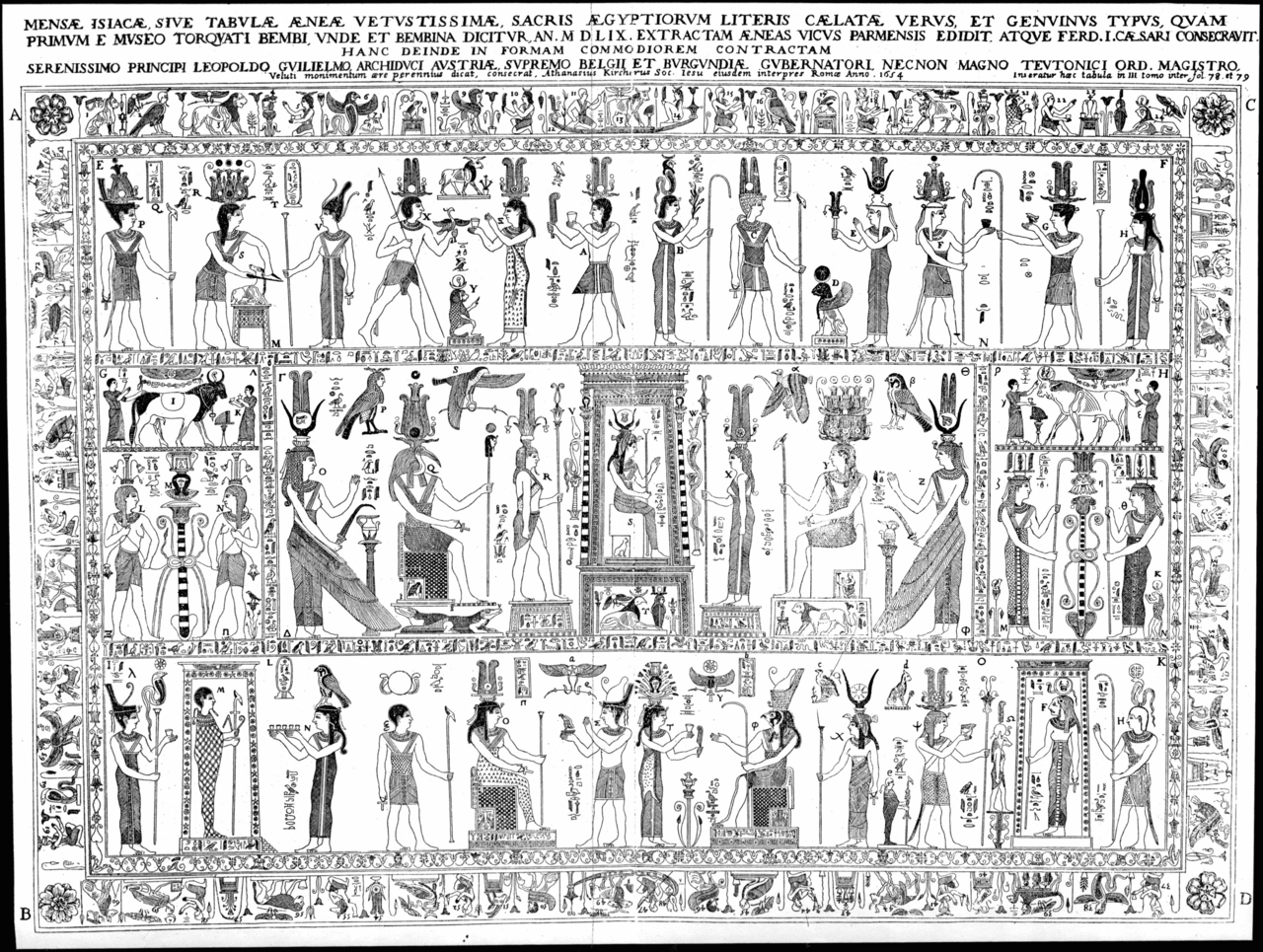
Isis Unveiled: A Master-Key to the Mysteries of Ancient and Modern Science and Theology
H. P. Blavatsky’s monumental two-volume comparative synthesis of Egyptian, Hermetic, Chaldean, and Hindu cosmogonies and ancient mystery traditions.