Through a detailed examination of the connections between these figures and symbols, this synthesis reveals a rich body of spiritual growth, knowledge, and the human condition.
The Pursuit of Spiritual Knowledge
Central to this tradition is the pursuit of spiritual knowledge, which is embodied by two distinct groups: Occultists and Mystics. Both groups are part of the same class, yet they approach spiritual growth through different means. Occultists engage in intellectual curiosity and cold reason, seeking knowledge without practical application. In contrast, Mystics pursue spiritual devotion and illumination through a sense of inner urge, resulting in both knowledge and spiritual enlightenment.
The Rozicrucian Fellowship serves an essential office in guiding both Occultists and Mystics in the safe use of their spiritual faculties. This organization aims to prepare individuals for the awakening of latent powers and help them navigate the complexities of spiritual growth.
The Shepherd of the Spiritual Truth
The Shepherd of the Spiritual Truth is an abstract figure that provides guidance and wisdom to both Occultists and Mystics on their spiritual journeys. This entity influences the sensing of spiritual vibrations by certain classes of people, which is symbolized by the Sansara Vibration. The Shepherd's role is to offer wisdom and enlightenment, enabling individuals to navigate the spiritual realm with greater understanding.
The Interplay between Spiritual Entities
The relationships between the traditional doctrines in this tradition reveal a complex interplay of spiritual growth and knowledge. The Sansara Vibration affects both Occultists and Mystics, influencing their paths to enlightenment. The Shepherd of the Spiritual Truth guides both groups, while the Rozicrucian Fellowship provides a framework for safe spiritual exploration.
The connections between these figures and symbols highlight the importance of balancing intellectual pursuits with practical application. The Occultists' focus on intellectual curiosity is contrasted with the Mystics' emphasis on spiritual devotion and action. This dichotomy demonstrates the need for a holistic approach to spiritual growth, one that integrates knowledge with practical experience.
The Shadow of Suicide
The entity "Suicide" represents a significant wrongdoing in certain cultural and philosophical contexts. The mystics of Eleusis, in particular, warned against suicide, seeing it as a violation of the spirit's journey and a failure to use life's opportunities for spiritual growth. This perspective is echoed in the concept of Inferno, which symbolizes the sufferings of those who never freed their spiritual natures from the limitations of material life.
Bibliographia & Fontes
Primary Source Books Used in This Article
The doctrines, historical citations, and symbolic correspondences synthesized in this article are drawn from the following primary works and chapters:
- I.Manly P. Hall, The Secret Teachings of All Ages1928
An Encyclopedic Outline of Masonic, Hermetic, Qabbalistic and Rosicrucian Symbolical Philosophy
Chapters / Sections Consulted:Ch. “Conclusion” · Ch. “The Ancient Mysteries and Secret Societies (Part III)” - II.Max Heindel, The Rosicrucian Mysteries: An Elementary Exposition of Their Secret Teachings1911
The Rosicrucian Fellowship
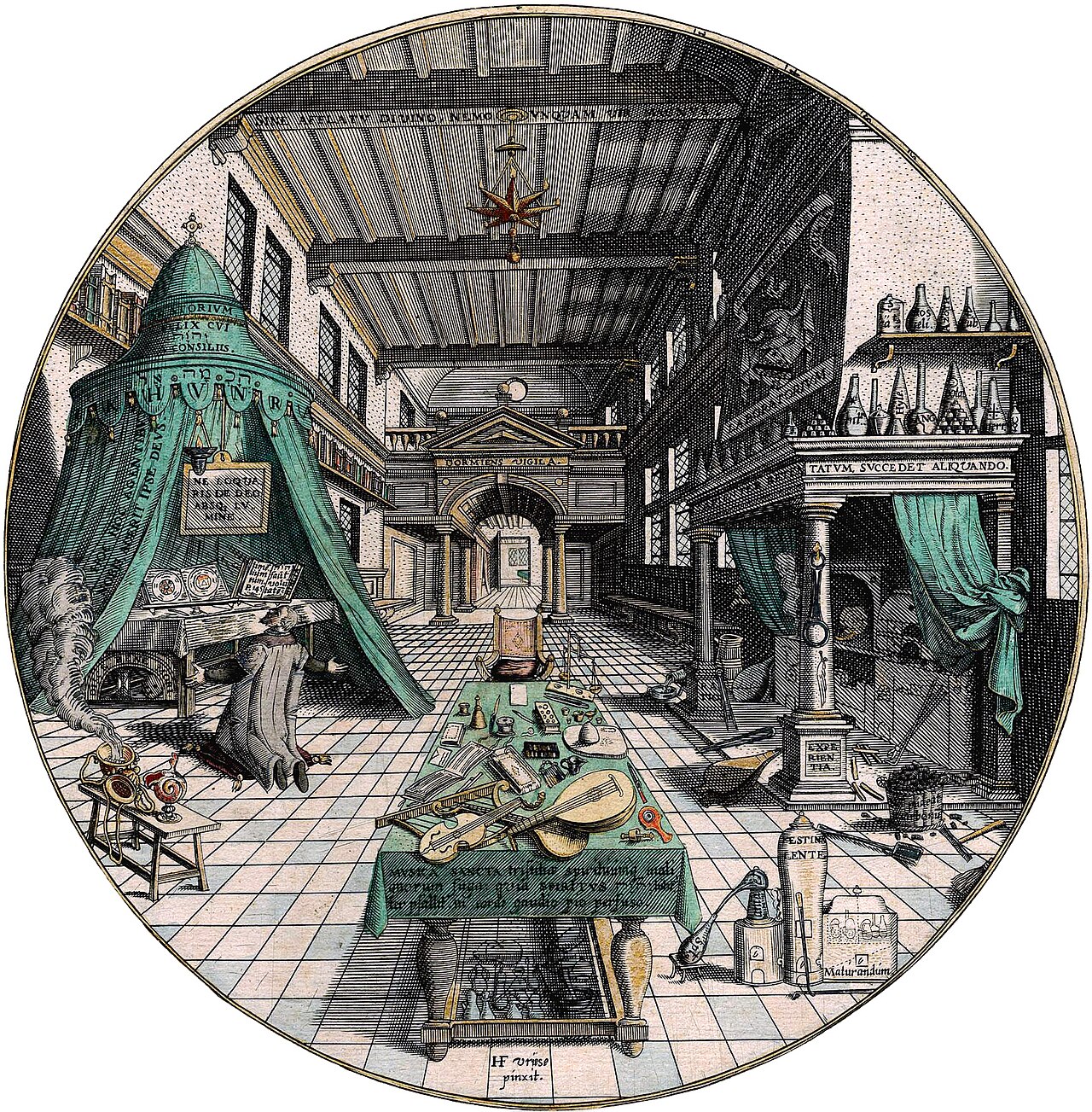
The Hermetic Museum: Restored and Enlarged (Waite Edition)
A compendium of twenty-two celebrated seventeenth-century alchemical treatises on the Philosopher’s Stone, the Tria Prima, and the Spagyric Art, translated and annotated by Arthur Edward Waite.