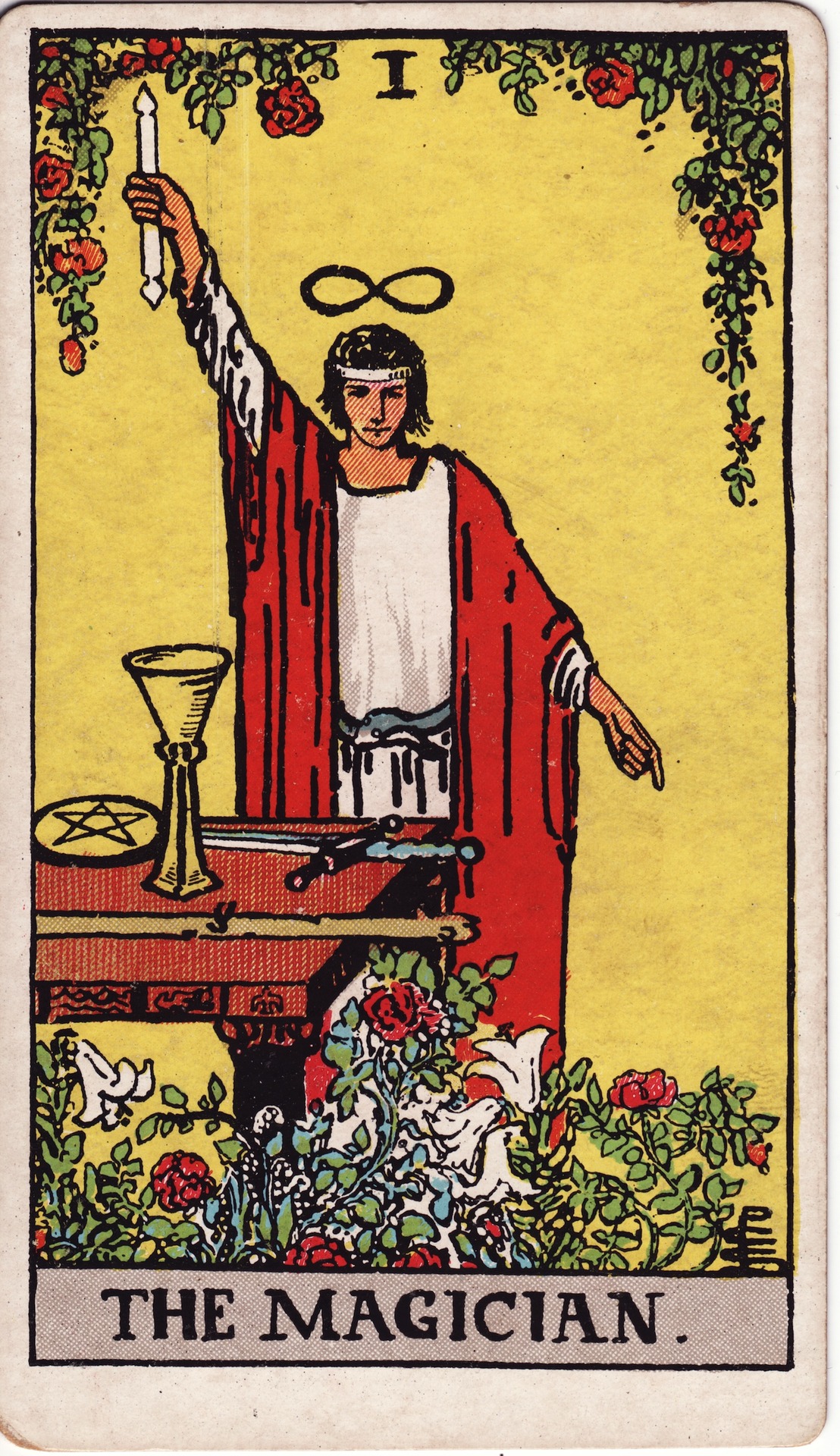
This comprehensive analysis examines the intricate relationships between various esoteric entities, concepts, and principles. The web of relationships reveals a complex interplay between elements, principles, and concepts, highlighting the manifold nature of the universe and the human experience.
Historical & Symbolic Context
Central to this esoteric web is the concept of Air, a manifold and essential element closely wedded with both symbolic and practical aspects across various traditions. Air is associated with the highest element in creation, representing the atmosphere and medium of divine rays. It is linked to the letter Aleph (א) in chapter 10, signifying its role as a fundamental and spiritual aspect. In alchemy, air is the third of the four elements, crucial for the transformation process, enabling the flow of moisture from water to the other elements, and integral to the creation of the Philosopher's Stone.
The Examination card, governed by Air, involves deep investigation and understanding of hidden truths and passions. This card is closely bound with the concept of discussion, emphasizing the importance of dialogue and negotiation in building meaningful connections and engaging in conflict resolution. The Examination card is also associated with the Eighth house, which encompasses themes of hidden knowledge and profound experiences.
The Obstacle card, closely related to the Examination card, represents challenges and opposition that must be faced and endured. This card signifies the strength and resilience needed to overcome these challenges, affirming the role of teaching, instruction, and guidance in navigating obstacles. The Obstacle card is also linked to the concept of Tradition, which encompasses the broader themes of thought and intellectual activity.
The relationships between the entities and concepts reveal a deeper understanding of the universe and human experience. The Throne of Lucifer, associated with the divine outpouring of light, is connected to the air element, which serves as a medium for the good and evil influences of the divine outpouring. The Spirit of the Living Elohim, the first Sephira in Kabbalistic tradition, emanates air, the first of the Sephiroth's substances.
Tali, a dragon and a cosmic figure in the universe, is closely associated with the air element and the mystical letter מ (M). Tali is linked to the Tetragrammaton, a cosmological figure, and the Thora, associated with letters and covenants. The Thora is connected to the air element and the heavens, highlighting its importance in the context of divine communication and cosmological narrative.
The relationships between the entities and concepts demonstrate the interconnected nature of the universe, revealing a network of symbolism and meaning. By examining these connections, we gain insight into the deeper principles and forces that shape human experience and the cosmos.
Key Findings
* Air is a manifold and essential element, closely wedded with both symbolic and practical aspects across various traditions. * The Examination card, governed by Air, involves deep investigation and understanding of hidden truths and passions. * The Obstacle card represents challenges and opposition that must be faced and endured, affirming the role of teaching, instruction, and guidance. * The sympathies among these principles and concepts reveal a deeper understanding of the universe and human experience, highlighting the interconnected nature of the cosmos. * The Throne of Lucifer, associated with the divine outpouring of light, is connected to the air element, which serves as a medium for the good and evil influences of the divine outpouring. * Tali, a dragon and a cosmic figure in the universe, is closely associated with the air element and the mystical letter מ (M).
Bibliographia & Fontes
Primary Source Books Used in This Article
The doctrines, historical citations, and symbolic correspondences synthesized in this article are drawn from the following primary works and chapters:
- I.Manly P. Hall, The Secret Teachings of All Ages1928
An Encyclopedic Outline of Masonic, Hermetic, Qabbalistic and Rosicrucian Symbolical Philosophy
Chapters / Sections Consulted:Ch. “The Qabbalah, the Secret Doctrine of Israel” · Ch. “Fifteen Rosicrucian and Qabbalistic Diagrams” · Ch. “The Mystery of the Apocalypse” · Ch. “The Tabernacle in the Wilderness” - II.A. E. Thierens, The General Book of the Tarot1930
Containing the Astrological Key to the Esoteric Tradition of the Greater and Lesser Arcana (Intro. by A. E. Waite)
Further Inquiry in This Cycle
Companion Studies & Disputations
Air & Tali: The Elemental Tapestry
Central to this exploration is the element of Air, which serves as a linchpin connecting the realms of hidden knowledge, cosmic forces, and divine…
Spirit Of The Living Elohim & Ten Sephiroth
Through a close examination of the relationships between these figures and symbols, this synthesis reveals a profound emanational paradigm, where the…
Tradition, Discussion, and Examination
By examining the interwoven relationships between Tradition, Discussion, Examination, Contract, Expression, and the Knight of Swords, we gain insight into…
Obstacle & Guidance: Challenges
By examining the relationships between OBSTACLE, CAUTION, TEACHING, GUIDANCE, and FOOTNOTE DISCUSSION, we uncover a rich body of meanings that highlight…
Divine Outpouring: The Luminous Throne of Lucifer
In the esoteric domain of this hermetic lineage, the Throne of Lucifer serves as a focal point for the divine outpouring of light, radiating to various…
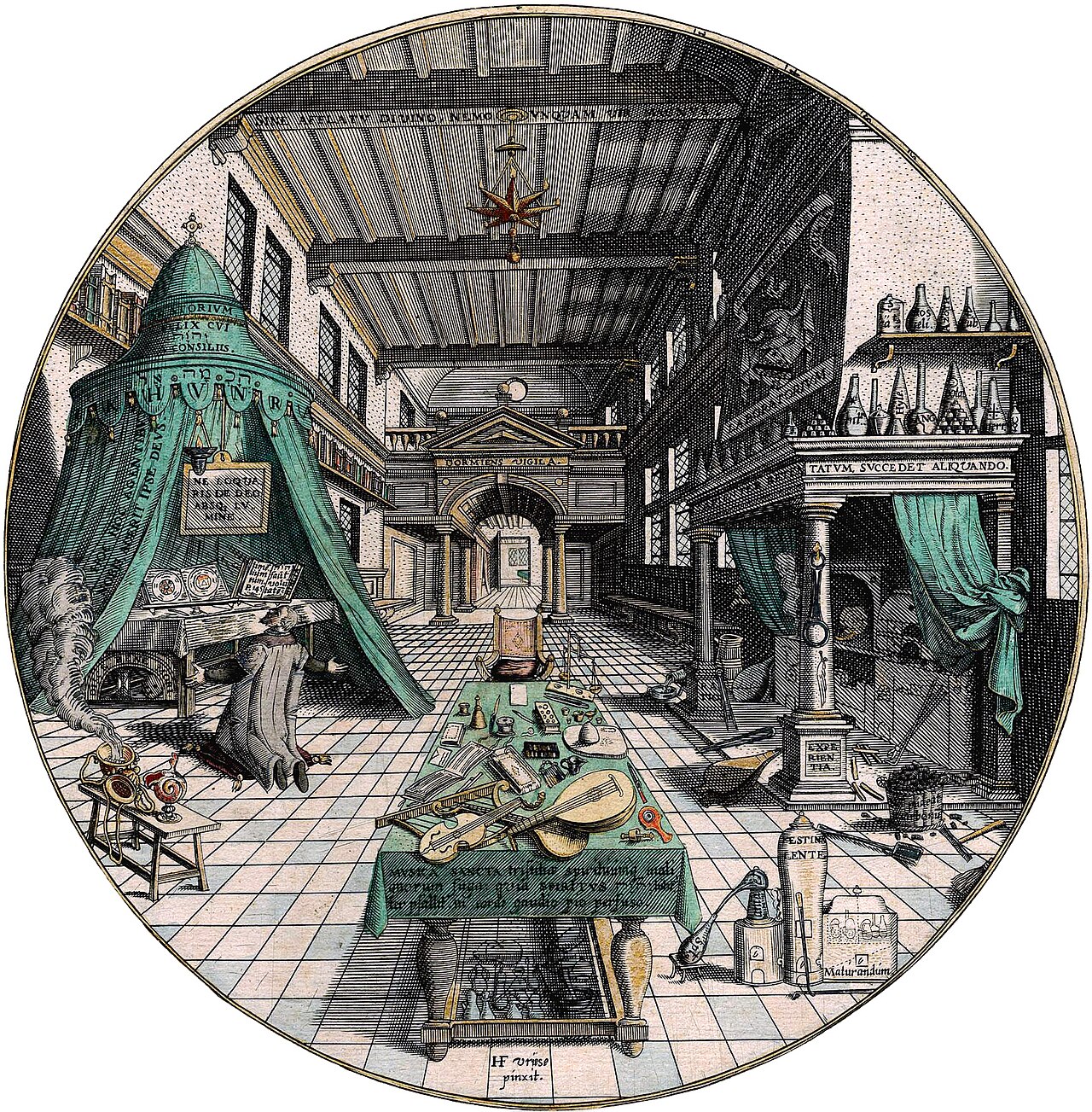
The Hermetic Museum: Restored and Enlarged (Waite Edition)
A compendium of twenty-two celebrated seventeenth-century alchemical treatises on the Philosopher’s Stone, the Tria Prima, and the Spagyric Art, translated and annotated by Arthur Edward Waite.