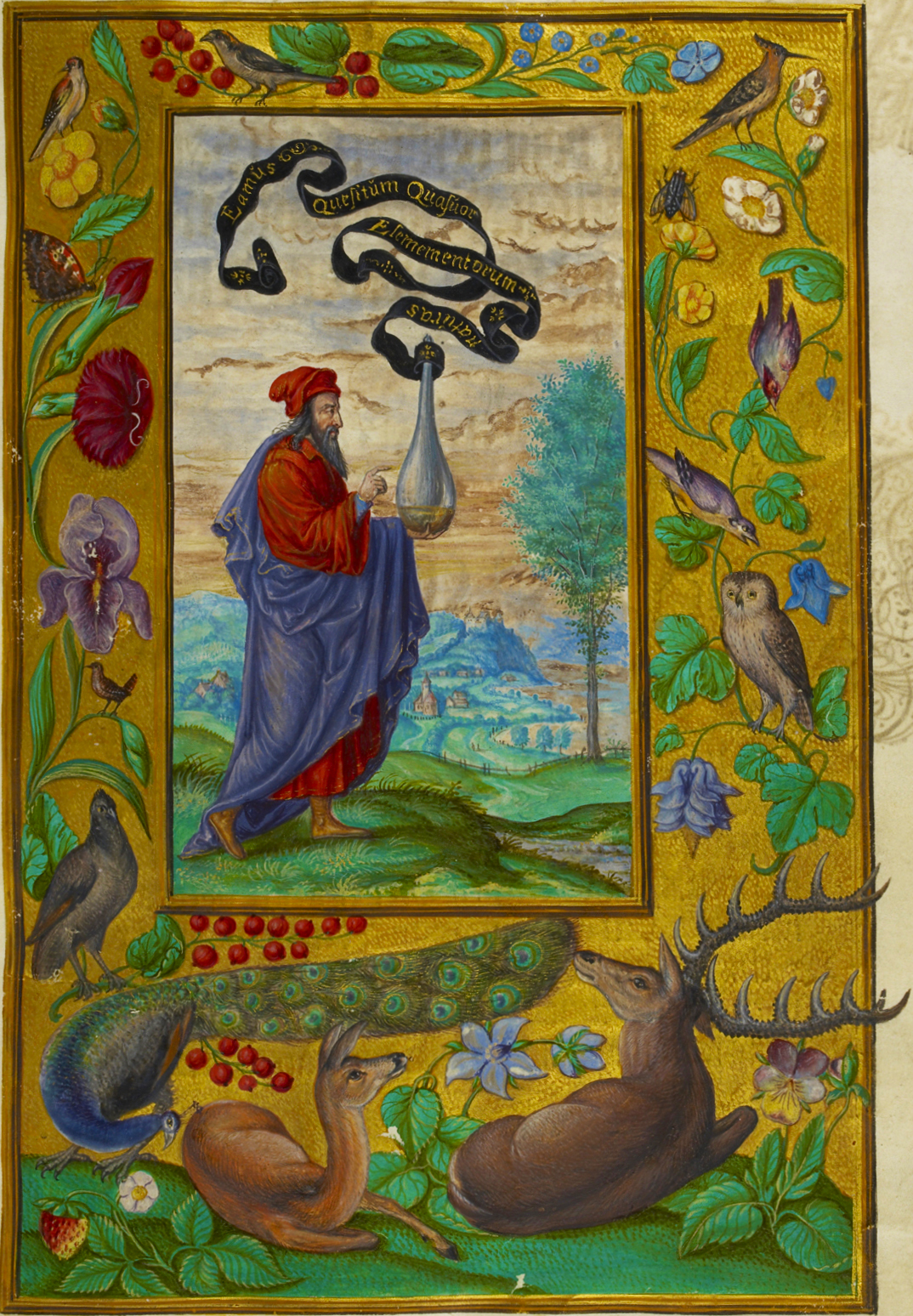
The Hermetic Marriage is a profound ritual that symbolizes the integration of the Higher Self (God) and the Lower Self (Nature).
The Unity of Opposites
At its core, the Hermetic Marriage represents the union of two seemingly opposing forces: the Higher Self and the Lower Self. The Higher Self, symbolizing the divine aspect within an individual, is characterized by a higher plane of consciousness that transcends the limitations of the natural world. In contrast, the Lower Self, embodied by nature, represents the earthly or worldly aspect of human experience. The Hermetic Marriage ritual serves as a catalyst for the integration of these two opposing forces, ultimately yielding a state of balance and completion.
The Signet: A Symbol of Balance
The signet, originally intended to symbolize balance and completion, is inextricably linked to the Hermetic Marriage. This concept serves as a visual representation of the union between the Higher and Lower Selves, demonstrating the idea that spiritual growth and transformation are predicated upon the harmonization of these two opposing forces. The signet, in this context, represents the ultimate goal of the Hermetic Marriage: the attainment of a state of equilibrium and wholeness.
Cedars: Physical Markers of the Soul's Journey
The cedars, featuring tablets that indicate specific paths or directions, serve as physical markers of the soul's journey in the Hermetic Marriage ritual. These trees, intrinsically linked to the Syrian Mysteries, symbolize critical decision points or paths that the individual encounters. Each cedar tree, in this context, represents a choice or a turning point in the spiritual or psychological transformation of the individual. The cedars, therefore, embody the idea that wisdom and integrity are essential aspects of navigating life's complex choices and experiences.
The White Linen Coat and Red Ribbon: Symbolizing Purity and Dedication
The white linen coat and red ribbon, worn by C. As part of the ceremonial dress for the Hermetic Marriage, symbolize purity and dedication, respectively. The white linen coat, in particular, represents preparation for the ritual, while the red ribbon signifies a specific affiliation or dedication within the ritual process. These substances, in this context, serve as visual reminders of the importance of spiritual preparation and commitment.
Bread: Sustenance for the Spiritual Journey
Bread, carried by C. As part of his ceremonial offerings, symbolizes sustenance and nourishment in the spiritual context of the ritual. This substance, in this context, represents the idea that spiritual growth and transformation are predicated upon the nourishment of the soul.
Probecanci: Ensuring Worthy Individuals
Probecanci, the organization that ensures only worthy individuals undergo the ritual's process of weighing for integrity, symbolizes judgment and purification. This entity, in this context, represents the idea that spiritual growth and transformation are predicated upon the evaluation and refinement of one's character.
Seven Steps: A Journey to Enlightenment
The seven steps or rungs, used in the Hermetic Marriage ritual, symbolize the journey to enlightenment. This concept, in this context, represents the idea that spiritual growth and transformation are predicated upon a series of incremental steps, each of which builds upon the previous one. The seven steps, therefore, embody the idea that spiritual development is a gradual and cumulative process.
Bibliographia & Fontes
Primary Source Books Used in This Article
The doctrines, historical citations, and symbolic correspondences synthesized in this article are drawn from the following primary works and chapters:
- I.Manly P. Hall, The Secret Teachings of All Ages1928
An Encyclopedic Outline of Masonic, Hermetic, Qabbalistic and Rosicrucian Symbolical Philosophy
Chapters / Sections Consulted:Ch. “The Chemical Marriage of Christian Rosenkreutz” · Ch. “Stones, Metals, and Gems”
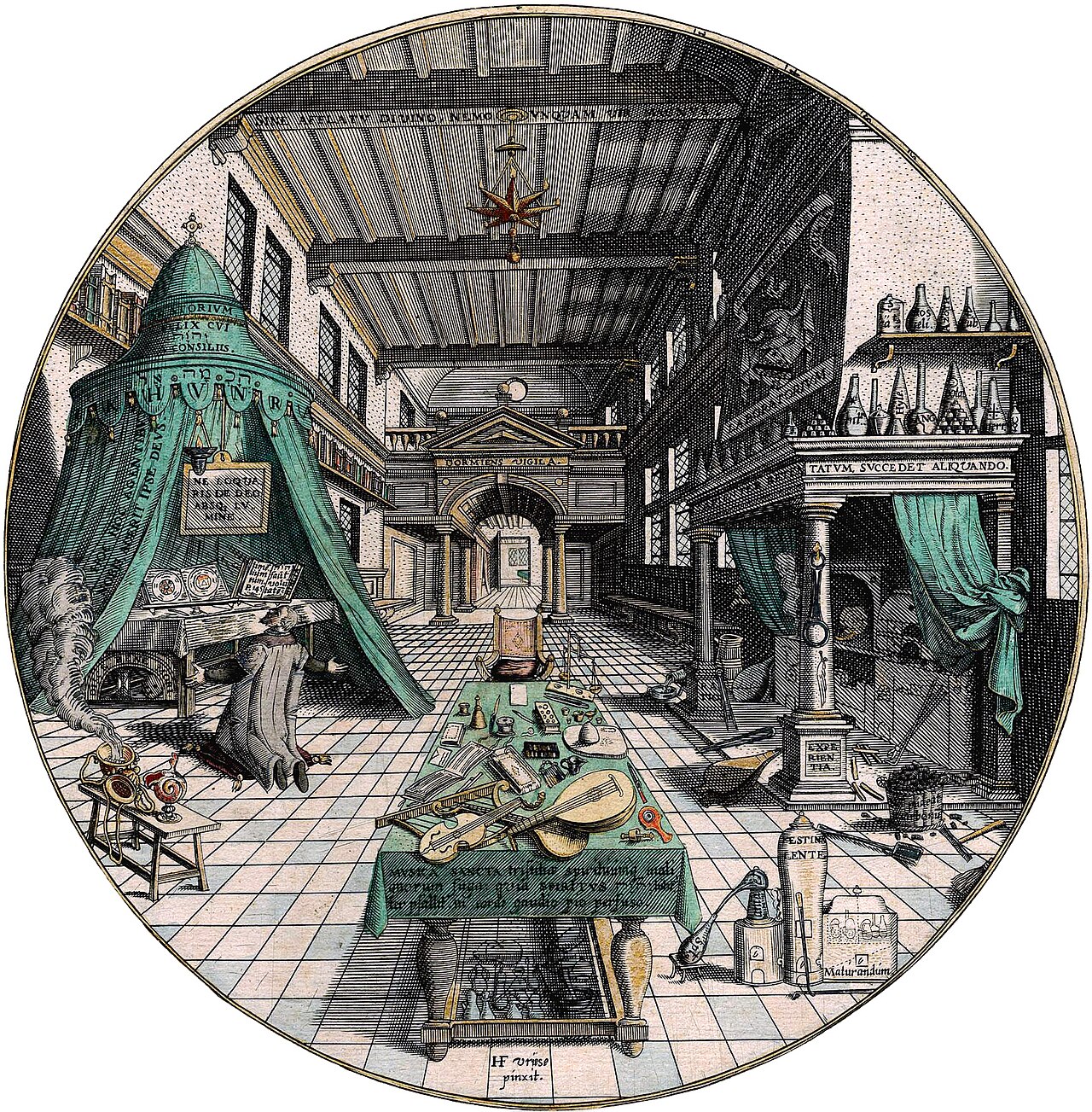
The Hermetic Museum: Restored and Enlarged (Waite Edition)
A compendium of twenty-two celebrated seventeenth-century alchemical treatises on the Philosopher’s Stone, the Tria Prima, and the Spagyric Art, translated and annotated by Arthur Edward Waite.