By analyzing the symbolic meanings of colors, the struggle between the divine and animal souls, and the role of the Christian Church in integrating various symbolic elements, we gain insight into the complex philosophical framework that underlies this tradition's beliefs. The harmonious relationships between colors and concepts reveal a rich body of spiritual and metaphysical meanings that demonstrate the human experience.
The Struggle of the Soul
Central to this philosophical framework is the struggle between the divine and animal souls. The divine nature, characterized by its opposition to the animal soul, is assaulted and defiled by the latter, symbolizing the ongoing conflict between spiritual and material aspects of human existence. This struggle is reflected in the relationships among these traditions and colors. Green, corresponding to the Lower Manas or Animal Soul, is used in rituals on Fridays, emphasizing the importance of acknowledging and confronting the animal soul. In contrast, the Christian Church uses white or silver to symbolize purity, innocence, joy, and light, highlighting the aspirations of the divine soul.
The Role of Colors
Colors play a essential part in this philosophical framework, carrying profound symbolic meanings that reflect the spiritual and material aspects of human existence. Red, associated with Kama Rupa or the Seat of Animal Life, represents the materialistic desires that lead to torment and suffering in Hades. In contrast, yellow or gold symbolizes glory, fruitfulness, and goodness, reflecting the divine honor and abundant blessings. The Christian Church's use of colors in their practices and rituals underscores their complex belief system, with each color carrying specific meanings that reflect the human experience.
The Christian Church's Integration of Symbolic Elements
The Christian Church's role in integrating various symbolic elements is a significant aspect of this philosophical framework. The Church's use of light and colors to symbolize spiritual or metaphysical meanings indicates their attempt to bridge the gap between the material and spiritual worlds. The incorporation of phallic symbols, such as the cross, in their religious iconography and architecture reflects the Church's rich and complex history, blending spiritual and material markers of faith. The Church's use of violet to symbolize sorrow and humility, as well as white or silver to symbolize purity and innocence, highlights their recognition of the human experience as a complex interplay of spiritual and material aspects.
Colors
The relationships between colors and concepts reveal a harmonious framework that demonstrates the human experience. The correspondence between green and the Lower Manas or Animal Soul, as well as red and Kama Rupa or the Seat of Animal Life, highlights the sympathy of the material and spiritual worlds. The Christian Church's use of colors in their practices and rituals reflects their attempt to integrate these symbolic elements into a cohesive philosophical framework. The harmony of colors and concepts reveals a rich body of spiritual and metaphysical meanings that demonstrate the human experience, inviting individuals to navigate the complexities of the material and spiritual worlds.
Bibliographia & Fontes
Primary Source Books Used in This Article
The doctrines, historical citations, and symbolic correspondences synthesized in this article are drawn from the following primary works and chapters:
- I.Manly P. Hall, The Secret Teachings of All Ages1928
An Encyclopedic Outline of Masonic, Hermetic, Qabbalistic and Rosicrucian Symbolical Philosophy
Chapters / Sections Consulted:Ch. “The Ancient Mysteries and Secret Societies (Part III)” · Ch. “The Pythagorean Theory of Music and Color” · Ch. “The Sun, a Universal Deity”
Further Inquiry in This Cycle
Companion Studies & Disputations
The Struggle for Spiritual Enlightenment
The Eleusinian Mysteries present a complex philosophical framework that explores the human condition, spiritual struggle, and the consequences of…
Christian Church: A Philosophical Synthesis of Color, Light, and
By examining the symbolic meanings of various colors and their connections to the human experience, the Christian Church, and the septenary constitution of…
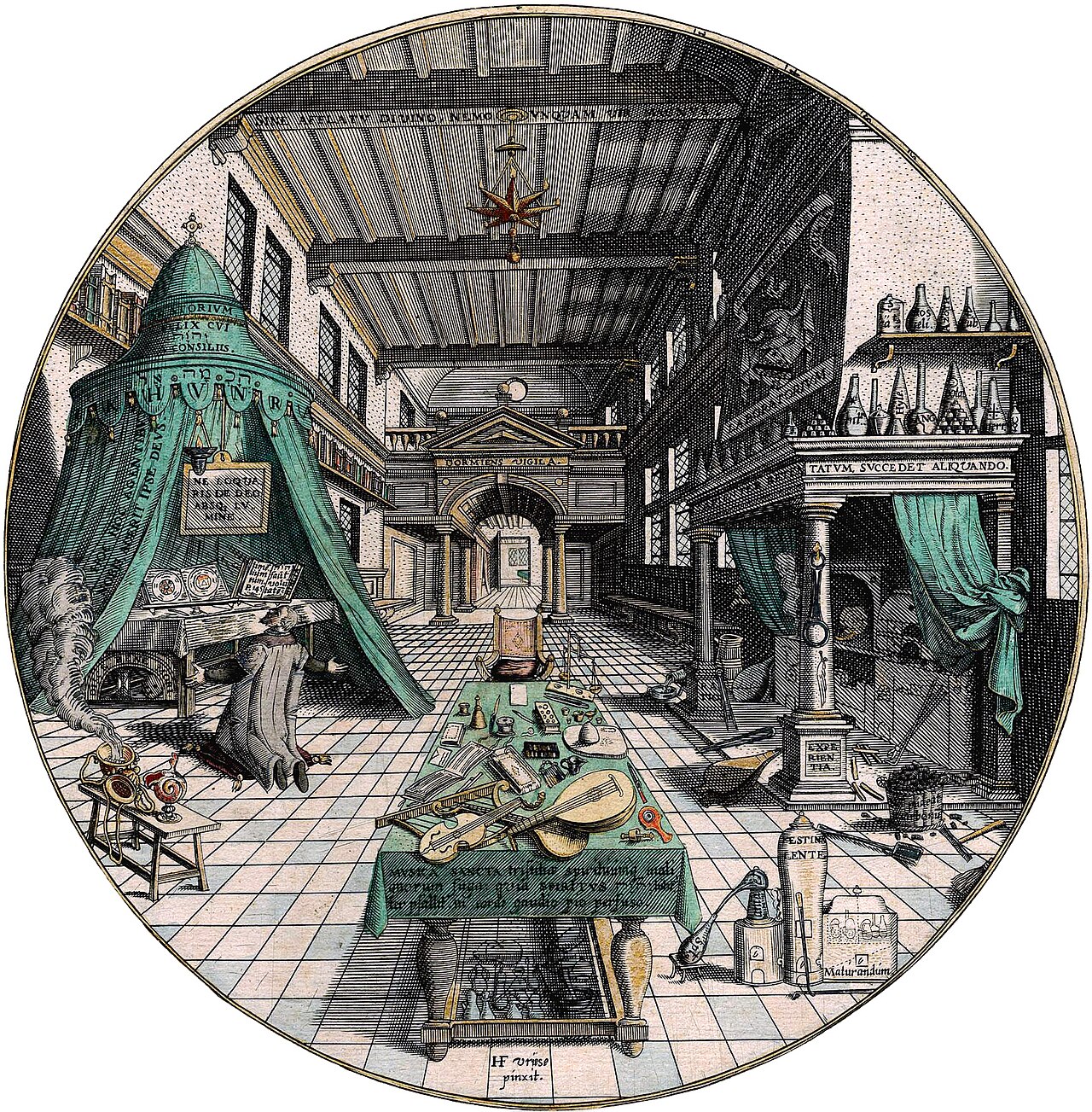
The Hermetic Museum: Restored and Enlarged (Waite Edition)
A compendium of twenty-two celebrated seventeenth-century alchemical treatises on the Philosopher’s Stone, the Tria Prima, and the Spagyric Art, translated and annotated by Arthur Edward Waite.