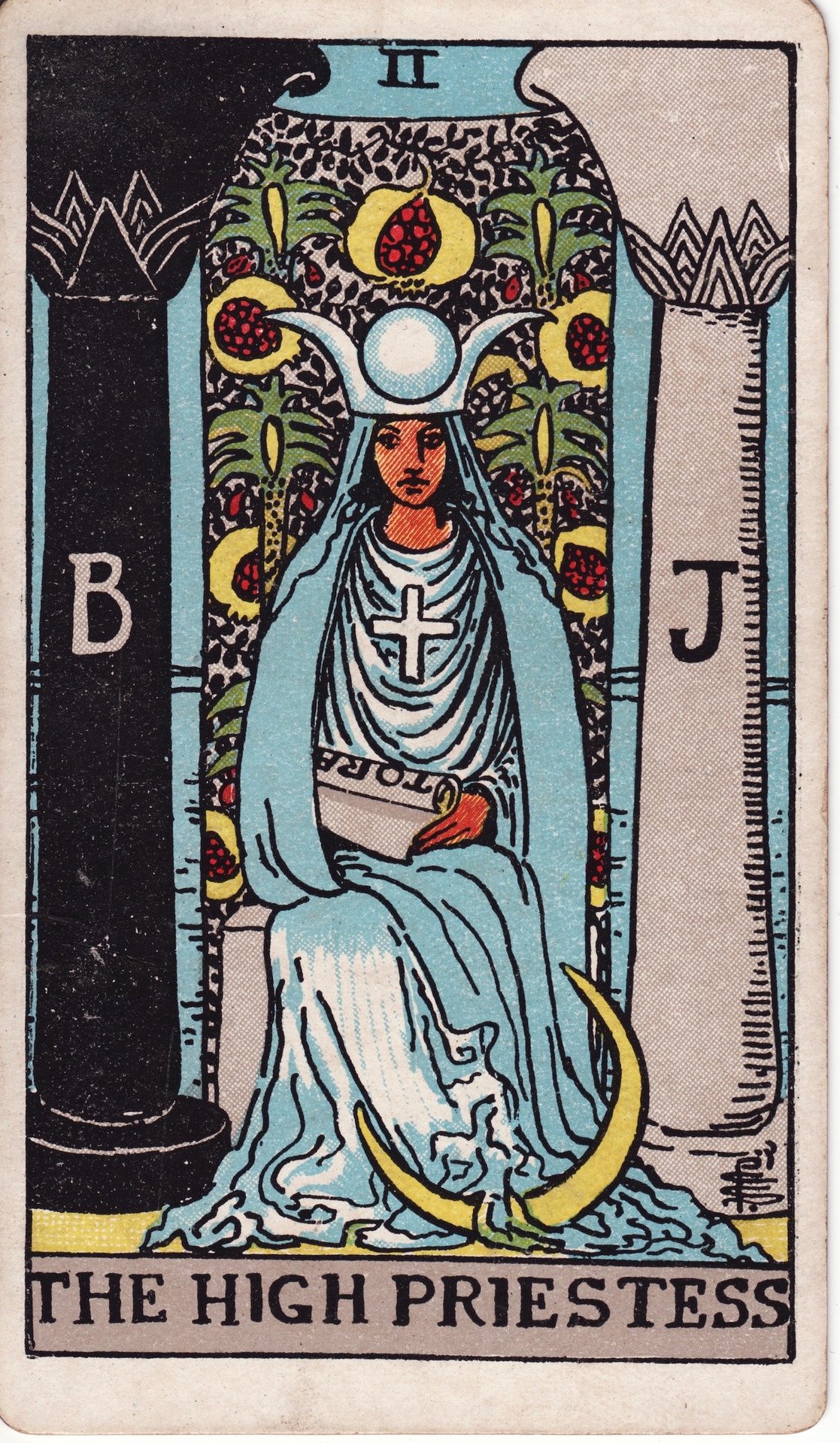
The King of Pentacles and King of Swords embody different aspects of power and authority. The King of Pentacles represents stability, practicality, and financial acumen, while the King of Swords symbolizes law, commerce, and officialdom. Their connections to other cards, such as the Four of Swords and Queen of Swords, reveal the complexities of power dynamics. The Four of Swords, representing solitude and reflection, is related to both the King of Pentacles and Queen of Swords, highlighting the need for introspection in the face of power and authority.
Power and Authority
The Queen of Swords, associated with female authority, is connected to the King of Swords, illustrating the interplay between masculine and feminine power structures. The Queen's relationship with the Page of Swords, who represents an "indiscreet person," suggests that even in positions of authority, there is a need for discretion and careful consideration.
Fate, Karma, and the Human Experience
The Ten of Swords, with its imagery of affliction, sorrow, and sadness, is connected to the concepts of fate and karma. This card's relationship with the Five of Swords, which represents conflict and its aftermath, demonstrates the idea that our actions have consequences that can shape our lives.
The Knight of Pentacles, symbolizing utility and service, is linked to the Four of Swords, affirming the role of reflection and contemplation in our professional and personal lives. This connection also suggests that our actions have a ripple effect, influencing those around us.
Relationships
The relationships between the Tarot entities reveal a network of themes and ideas. The connections between cards like the King of Pentacles, Queen of Pentacles, and Page of Pentacles demonstrate the sympathy of power, authority, and the human experience.
The Ace of Swords, representing great prosperity or great misery, is linked to the King of Swords, Ten of Swords, and Five of Swords, illustrating the idea that our actions have consequences that can shape our lives. This connection also reveals the place of considering the potential outcomes of our decisions.
Bibliographia & Fontes
Primary Source Books Used in This Article
The doctrines, historical citations, and symbolic correspondences synthesized in this article are drawn from the following primary works and chapters:
- I.A. E. Thierens, The General Book of the Tarot1930
Containing the Astrological Key to the Esoteric Tradition of the Greater and Lesser Arcana (Intro. by A. E. Waite)
- II.Arthur Edward Waite, The Pictorial Key to the Tarot1910
Being Fragments of a Secret Tradition under the Veil of Divination
Further Inquiry in This Cycle
Companion Studies & Disputations
Five Of Swords: The Web of Conflict and Deception
The doctrine of Five Of Swords encompasses entities and relationships that revolve around the themes of conflict, deception, and authority. Through the…
The Ten of Swords
This essay provides a philosophical analysis of the Ten of Swords, a card that embodies a complex array of concepts, including affliction, sorrow, and…
An Exploration of Four Of Swords
Through a detailed analysis of the King of Pentacles, Page of Pentacles, Queen of Pentacles, Leo-type, Four of Swords, and Knight of Pentacles, we uncover…
The Hermetic Museum: Restored and Enlarged (Waite Edition)
A compendium of twenty-two celebrated seventeenth-century alchemical treatises on the Philosopher’s Stone, the Tria Prima, and the Spagyric Art, translated and annotated by Arthur Edward Waite.