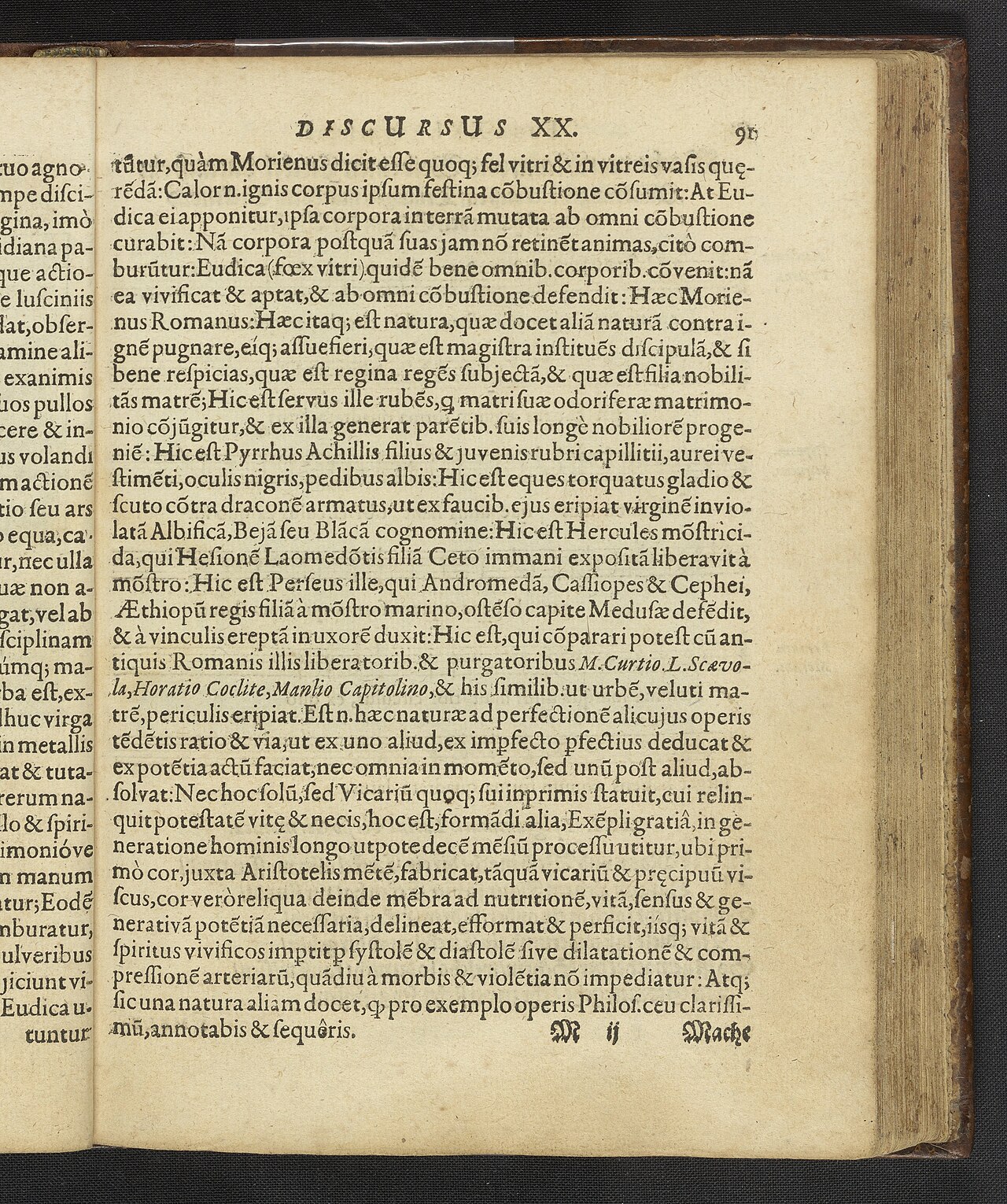
In the study of the esoteric domain of alchemy, exploring the concept of the Philosophical Stone, a legendary substance embodying the ultimate goal of alchemists. Through an analysis of traditional doctrines and relationships, we will trace the symbolism, philosophical underpinnings, and spiritual dimensions associated with this elusive entity. By synthesizing the surviving literature points, we will gain insight into the complex web of ideas and practices surrounding the Philosophical Stone, revealing a profound compendium of wisdom, transformation, and ultimate knowledge.
Historical & Symbolic Context
The Philosophical Stone, a cornerstone of alchemical tradition, represents the culmination of alchemical efforts, often referred to as the Great Work. This mythical substance is manifold, symbolizing both the perfect transmutation of base metals into gold and the quest for immortality and ultimate knowledge. At its heart, the Philosophical Stone embodies the ultimate goal of alchemists, which is encapsulated within a complex symbolic structure.
The Pillars of Solomon's Porch, JAKIN and BOAZ, play a essential part in the attainment of the Philosophical Stone, representing the balanced relationship required between reason and faith. This reciprocal acquiescence of knowledge and belief is fundamental to the alchemical process, as the Pillars symbolize the permanent alliance of these two essential elements.
Peter, often revered as the First Pope of the Roman Catholic Church, holds significant symbolic and spiritual importance in Christian tradition. His association with the Philosophical Stone, through the concept of the "rock" upon which the Church is built, emphasizes the importance of absolute principles in wisdom and philosophy. This connection demonstrates the idea that the Philosophical Stone serves as a fixed foundation in the pursuit of ultimate knowledge.
The Salts of the Philosophers, a pivotal ingredient in AzOTH, embody the Philosophical Stone's critical role as a foundational element in alchemy. These salts serve as a cornerstone in the complex processes of alchemical transformation, reflecting the Stone's significance in achieving the highest forms of transmutation and creation.
Elagabalus, a symbol of the sun, represents the stability and truth associated with the Philosophical Stone, indicating its role in alchemical traditions. This solar symbolism highlights the Stone's connection to the eternal and the infinite, underscoring its status as a symbol of ultimate perfection and wisdom.
Thomas's thoughts on justness, although not directly related to the Philosophical Stone, could lead to discovering the Stone, as seen metaphorically. His philosophical stance, grounded in theology, reflects a broader intellectual curiosity that potentially opens the door to ideas such as the search for the Philosophical Stone.
Hevrajah, a facet of the Philosophical Stone, symbolizes Eve, one of the key names inscribed on its sides. This connection demonstrates the idea that the Philosophical Stone embodies the unity of opposites, reflecting the alchemical principle of solve et coagula.
The Hebrews, with their lineage tied to the wisdom of the Philosophical Stone, represent a square and cubic law underlying their divine wisdom. This connection highlights the Stone's role in the transmission of ancient knowledge and the attainment of spiritual enlightenment.
Philanthropists, seeking wisdom and understanding, are promised the key to the Philosophical Stone. This promise demonstrates the idea that the Stone is only accessible to those who are willing to embark on the alchemical journey, with its attendant trials and transformations.
The Philosophical Stone represents the culmination of alchemical efforts, embodying the ultimate goal of alchemists. Through an analysis of traditional doctrines and relationships, we have unraveled the symbolism, philosophical underpinnings, and spiritual dimensions associated with this elusive entity. The Philosophical Stone serves as a beacon, guiding those who seek ultimate knowledge and transformation, and its attainment remains the ultimate goal of the alchemical odyssey.
Bibliographia & Fontes
Primary Source Books Used in This Article
The doctrines, historical citations, and symbolic correspondences synthesized in this article are drawn from the following primary works and chapters:
- I.Éliphas Lévi, Transcendental Magic: Its Doctrine and Ritual (Dogme et Rituel de la Haute Magie)1856 / 1896 trans.
Translated and Annotated by A. E. Waite
Chapters / Sections Consulted:Part I: The Doctrine of Transcendental Magic
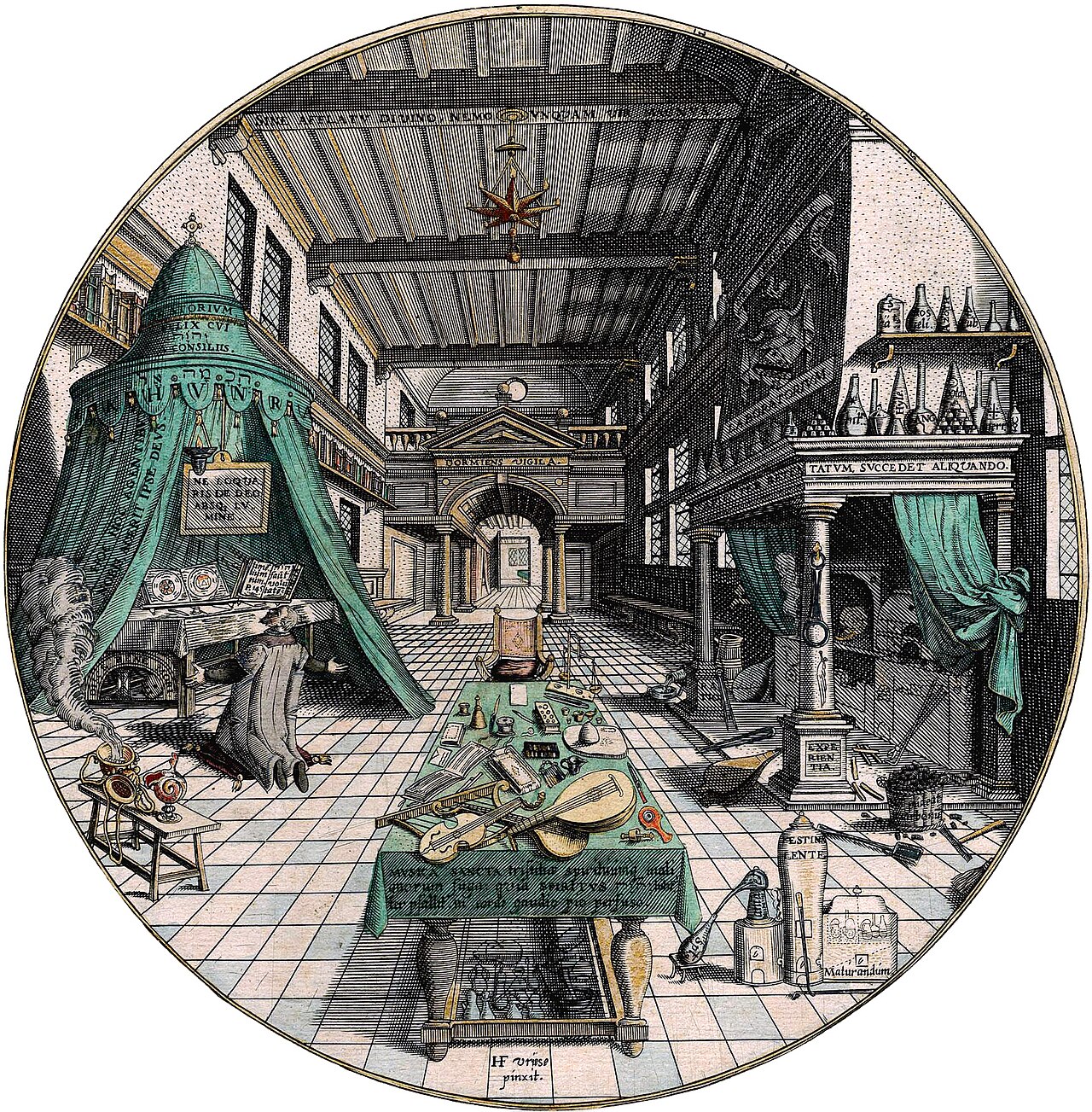
The Hermetic Museum: Restored and Enlarged (Waite Edition)
A compendium of twenty-two celebrated seventeenth-century alchemical treatises on the Philosopher’s Stone, the Tria Prima, and the Spagyric Art, translated and annotated by Arthur Edward Waite.