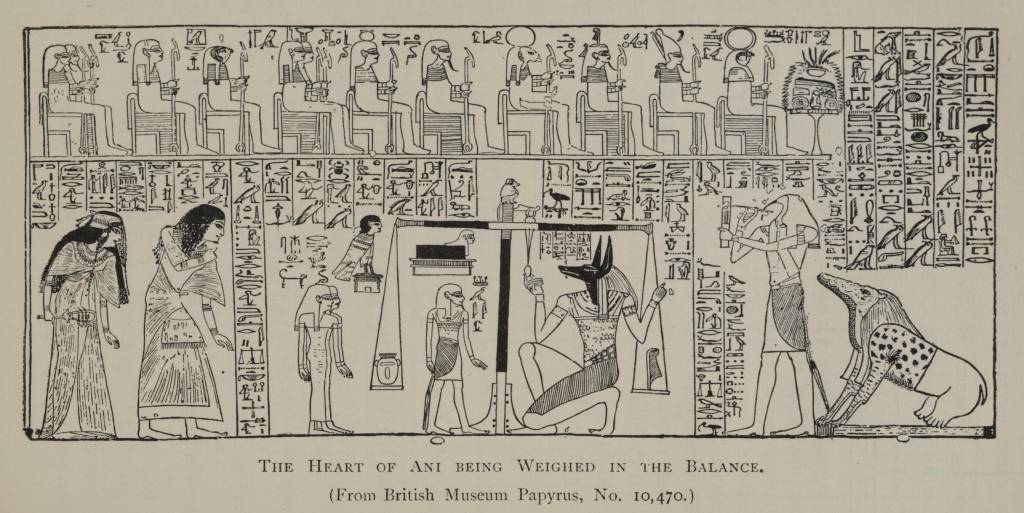
The analysis examines the symbolism, rituals, and philosophical connections between the fixed and moveable zodiac, subzodiacal spheres, the central panel, the Table of Isis, and the Mensa Isiaca. By examining these relationships, we gain insight into a sophisticated esoteric framework that explores the intersections of spiritual abstract spaces, human anatomy, and the divine.
Historical & Symbolic Context
Central to this hermetic lineage is a intricate network of relationships that weave together traditional doctrines and concepts to form a rich body of mystical cosmogony. The fixed zodiac, a dodecahedron with spiritual powers, serves as a representation of abstract spaces, while the moveable zodiac, symbolizing the lungs of the body, demonstrates the dynamic interplay between the spiritual and physical realms.
The central panel, a pivotal component of this framework, interacts with multiple entities, revealing a manifold nature. Its connection to the fixed zodiac and subzodiacal spheres emphasizes the respiratory system analogy, where the central panel correlates with the body parts controlled by spiritual hierarchies. This relationship highlights the idea that spiritual growth and self-awareness are inextricably linked to the physical body.
The central panel's interaction with the physical nature, represented by the Footstool of Isis, attests to the necessity of balancing spiritual pursuits with physical well-being. The central panel's representation of the twelve sacred animals, corresponding to the body parts of man, reinforces the notion that spiritual growth is tied to the integration of human physicality.
The Table of Isis, a diagram of mystical cosmogony and generation, serves as a hub that connects various concepts, including the central panel, the fixed and moveable zodiac, and the subzodiacal spheres. This table, associated with Egyptian Gnosticism, illustrates the sympathy of spiritual abstract spaces, human anatomy, and the divine.
The Mensa Isiaca, a votive table dedicated to the goddess Isis, is closely bound to the Table of Isis, reflecting the devotion and gratitude of its creators towards Isis. This relationship demonstrates the significance of honoring the divine feminine and the importance of reciprocity in spiritual pursuits.
Through the synthesis of these esoteric data points, the Central Panel tradition reveals a profound philosophical framework that explores the intersections of spirituality, human anatomy, and the divine.
Bibliographia & Fontes
Primary Source Books Used in This Article
The doctrines, historical citations, and symbolic correspondences synthesized in this article are drawn from the following primary works and chapters:
- I.Manly P. Hall, The Secret Teachings of All Ages1928
An Encyclopedic Outline of Masonic, Hermetic, Qabbalistic and Rosicrucian Symbolical Philosophy
Chapters / Sections Consulted:Ch. “The Bembine Table of Isis”
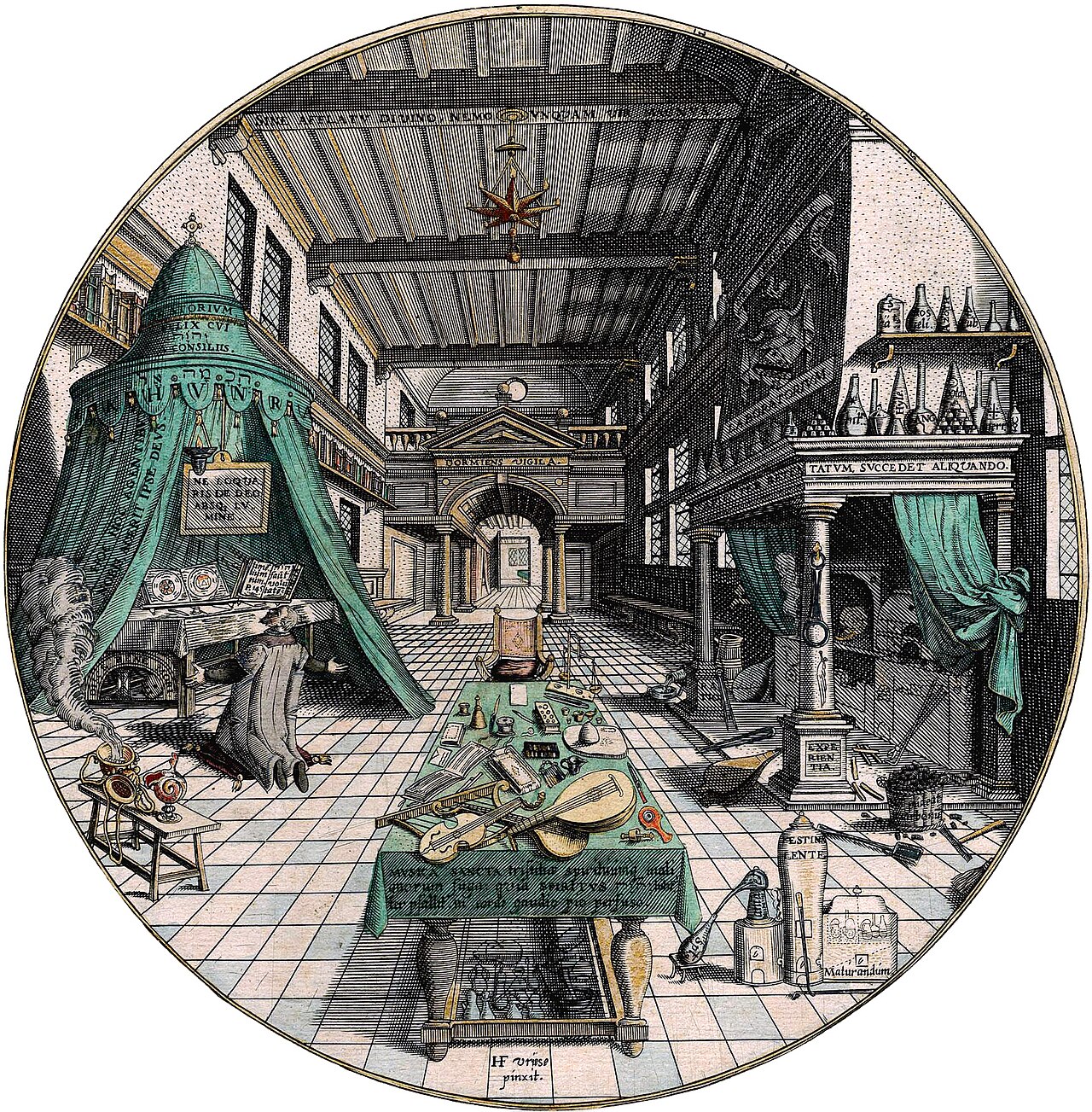
The Hermetic Museum: Restored and Enlarged (Waite Edition)
A compendium of twenty-two celebrated seventeenth-century alchemical treatises on the Philosopher’s Stone, the Tria Prima, and the Spagyric Art, translated and annotated by Arthur Edward Waite.