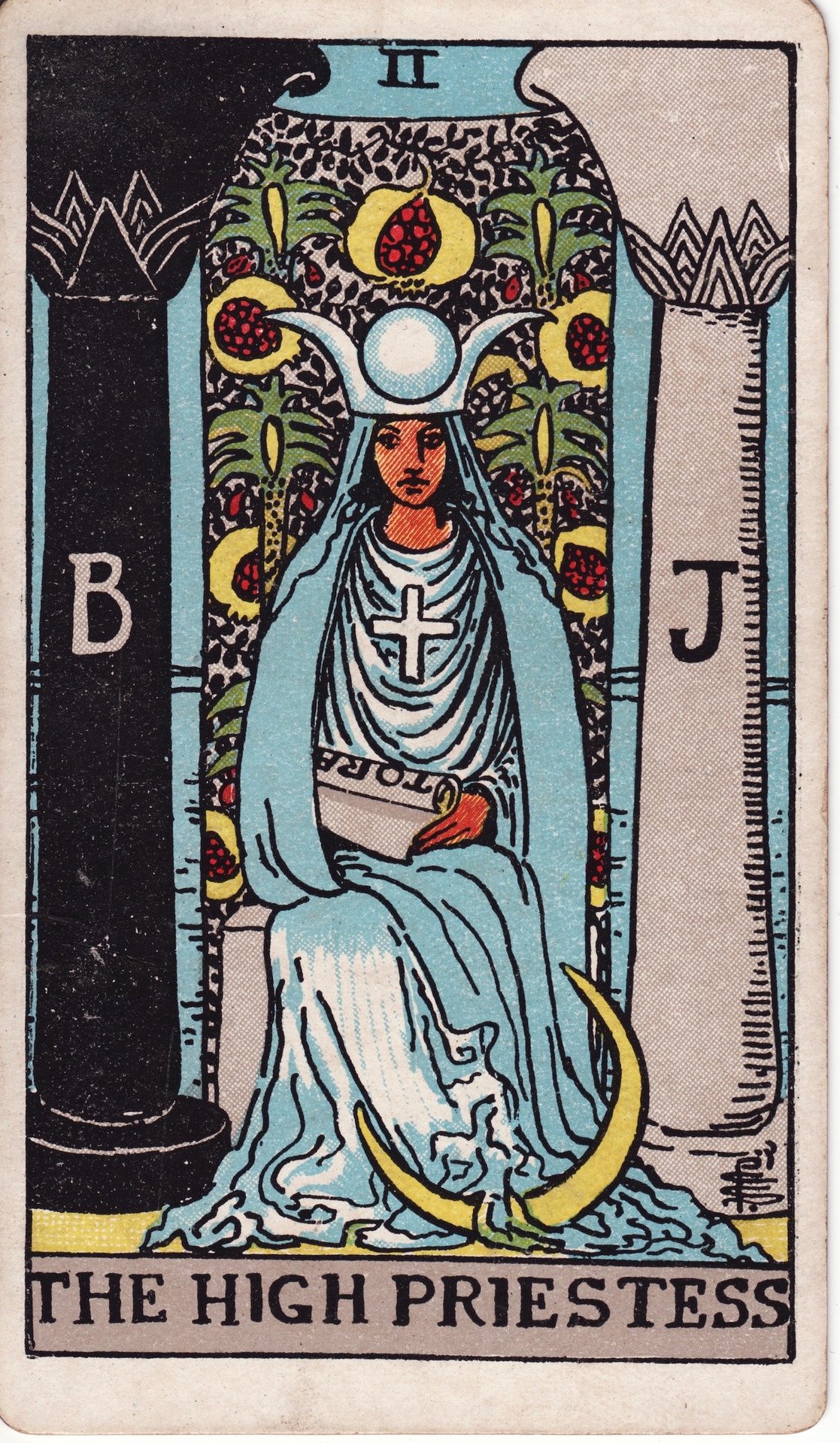
Through a careful analysis of the classical sources and relationships, we will trace the underlying philosophical framework that governs the celestial hierarchy. By examining the transformation of C 10 into D 10 and the relation of D 10 to the Wheels, we will gain insight into the Kabbalistic tradition's understanding of spiritual progression and the nature of celestial beings.
The Transformation of C 10 into D 10
Central to the celestial hierarchy is the transformation of C 10 into D 10. This progression signifies a crucial shift in the Kabbalistic cosmology, as C 10, the tenth sphere of the celestial hierarchy, is transformed into D 10, the tenth sphere of the World of Assiah. This transformation implies a descent from the higher, more refined realm of the celestial hierarchy to the lowest of the four worlds in Kabbalistic cosmology.
This transformation can be seen as a process of manifestation, where the abstract, celestial concepts of C 10 take on a more concrete, material form in D 10. This shift from the celestial to the material realm suggests a movement from the infinite to the finite, from the eternal to the temporal. In this sense, the transformation of C 10 into D 10 represents a fundamental aspect of this hermetic lineage's understanding of creation and the unfolding of the divine plan.
The Relation of D 10 to the Wheels
The relationship between D 10 and the Wheels offers further insight into the nature of the celestial hierarchy. As the final element in the hierarchy of celestial beings, the Wheels represent a spiritual concept that is closely tied to the material realm of D 10. This connection suggests that the Wheels serve as a kind of interface between the material and celestial realms, facilitating communication and exchange between the two.
The Wheels, as a part of this hermetic lineage, can be seen as a symbol of spiritual movement and progression. Their relation to D 10 implies that the material realm is not static, but rather, it is dynamic and interconnected with the celestial hierarchy. This understanding highlights the Kabbalistic tradition's emphasis on the sympathy of all things and the idea that the material realm is not separate from the spiritual, but rather, it is an integral part of the larger cosmic landscape.
Bibliographia & Fontes
Primary Source Books Used in This Article
The doctrines, historical citations, and symbolic correspondences synthesized in this article are drawn from the following primary works and chapters:
- I.Manly P. Hall, The Secret Teachings of All Ages1928
An Encyclopedic Outline of Masonic, Hermetic, Qabbalistic and Rosicrucian Symbolical Philosophy
Chapters / Sections Consulted:Ch. “Fundamentals of Qabbalistic Cosmogony”
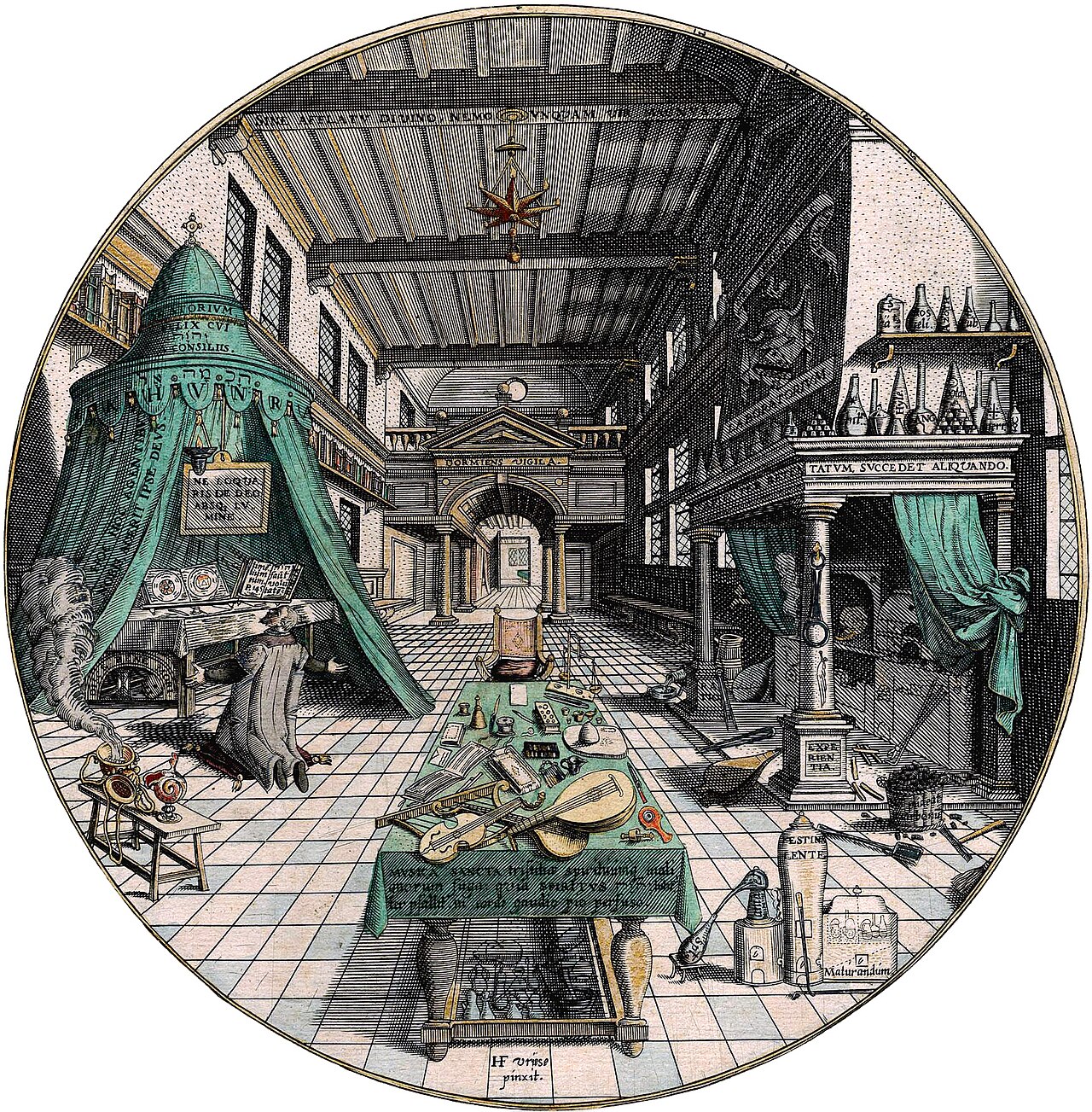
The Hermetic Museum: Restored and Enlarged (Waite Edition)
A compendium of twenty-two celebrated seventeenth-century alchemical treatises on the Philosopher’s Stone, the Tria Prima, and the Spagyric Art, translated and annotated by Arthur Edward Waite.