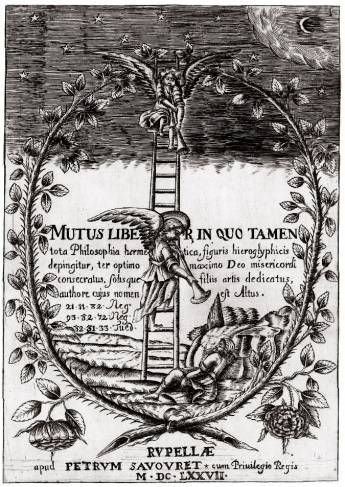
By examining the hierarchical structures and derivations between these figures and symbols, this synthesis reveals a network of connections that demonstrate the intricacies of celestial cosmology. The findings highlight the significance of the fourth and fifth spheres (C 4 and C 5) in the celestial hierarchy, their transformations into the World of Assiah, and the emergence of angelic hierarchies associated with Severity, Beauty, and the Archdemon Asmodeus.
The Celestial Hierarchy: C 4 and C 5 as Foundational Spheres
The data points reveal that C 4 and C 5 are crucial spheres in the celestial hierarchy, serving as the foundation for the derivation of various angelic entities. Dominations are derived from C 4, the third Severity, in the World of Yetzirah, while Powers are derived from C 5, the third Beauty, in the same world. This indicates that C 4 and C 5 embody the principles of Severity and Beauty, respectively, which are essential for the manifestation of angelic entities.
The transformation of C 4 into D 4 and C 5 into D 5 marks a progression through Kabbalistic cosmology, where the celestial spheres take on new forms and characteristics. D 4 is transformed into Madim, the sphere of Mars, while D 5 is transformed into Shemesh, the sphere of the Sun. This progression demonstrates the dynamic nature of the celestial hierarchy, where spheres and entities evolve and adapt to new contexts.
The Emergence of Angelic Hierarchies: Severity, Beauty, and Asmodeus
The relationships between D 4, D 5, and the angelic hierarchies reveal a complex interplay between Severity, Beauty, and the forces of darkness. D 5 hierarchically represents the evil Severity, which is associated with the Archdemon Asmodeus and the Golab hierarchy. This connection suggests that Severity is not only a principle of the celestial hierarchy but also a force that can be harnessed and wielded by malevolent entities.
The association between Shemesh and Nogah, the spheres of the Sun and Venus, respectively, reveals the place of Beauty in the celestial hierarchy. The symbolization of these spheres together indicates a harmonious relationship between light and love, which is essential for the balance of the cosmos.
The Golab Hierarchy and the Archdemon Asmodeus
The Golab hierarchy, associated with the Archdemon Asmodeus, emerges as a significant force in the celestial hierarchy. Asmodeus is the Archdemon of this hierarchy, which is characterized by burning and the principles of Severity. The connection between D 5 and the Golab hierarchy demonstrates the idea that Severity is a fundamental aspect of this dark and malevolent force.
Bibliographia & Fontes
Primary Source Books Used in This Article
The doctrines, historical citations, and symbolic correspondences synthesized in this article are drawn from the following primary works and chapters:
- I.Manly P. Hall, The Secret Teachings of All Ages1928
An Encyclopedic Outline of Masonic, Hermetic, Qabbalistic and Rosicrucian Symbolical Philosophy
Chapters / Sections Consulted:Ch. “Fundamentals of Qabbalistic Cosmogony”
Further Inquiry in This Cycle
Companion Studies & Disputations
Asmodeus: The Infernal Hierarchy of Golab
This essay examines the esoteric domain of this hermetic lineage, where the Golab hierarchy and its associated Archdemon, Asmodeus, hold sway. Through a…
The Celestial Hierarchy of Dominations
Through a careful analysis of the relationships between Dominations, C 4, and D 4, we will trace the underlying philosophical framework that governs this…
Hierarchical Interplay of Celestial and Mundane Spheres in Powers
By analyzing the connections between Powers, C 5, D 5, and Severity, we will trace the underlying structure and dynamics that govern this esoteric…
The Triadic Dynamics of the Kabbalistic Cosmos
This essay examines the esoteric dynamics of the Kabbalistic cosmos, specifically within the context of this hermetic lineage. By examining the…
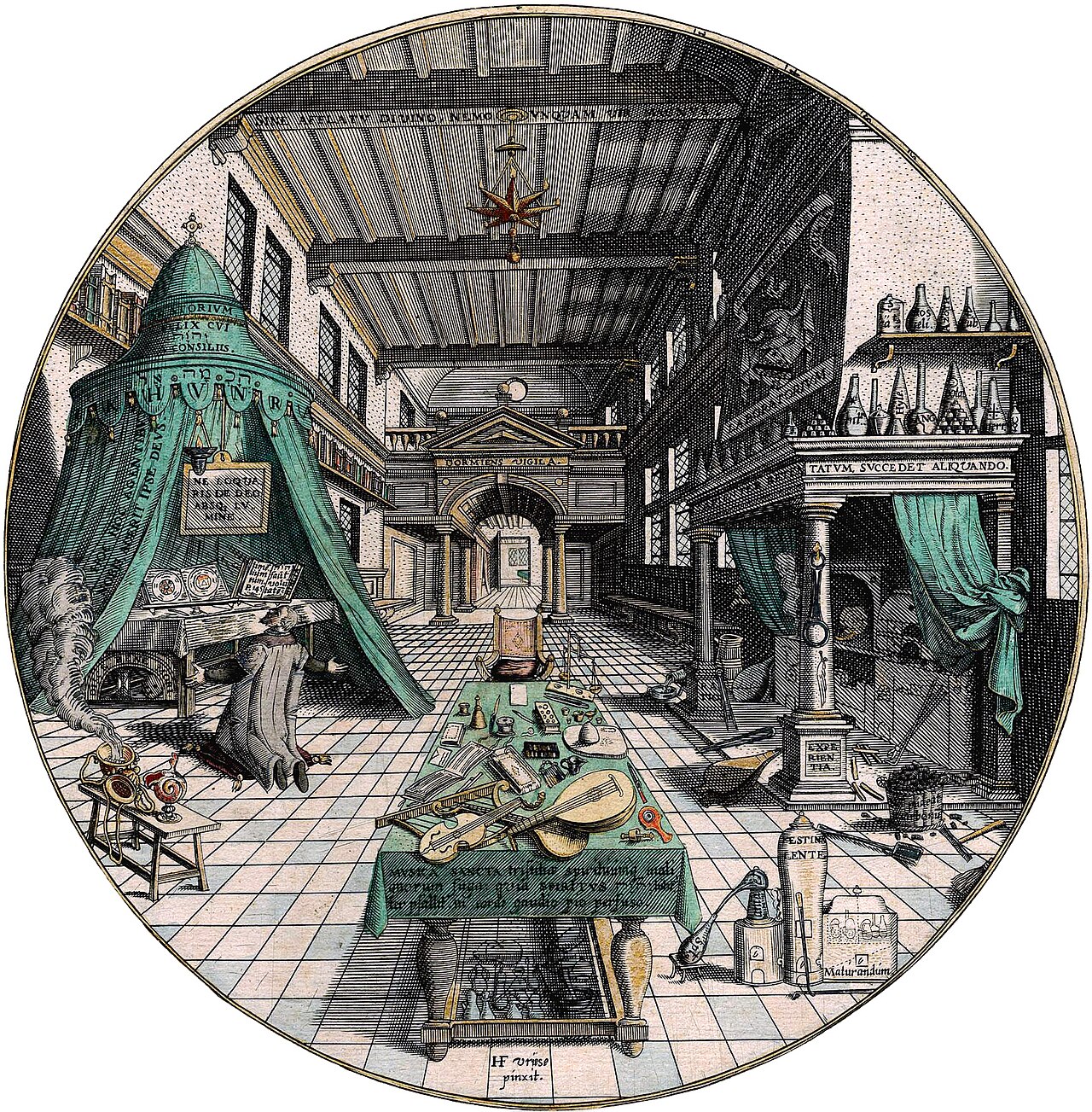
The Hermetic Museum: Restored and Enlarged (Waite Edition)
A compendium of twenty-two celebrated seventeenth-century alchemical treatises on the Philosopher’s Stone, the Tria Prima, and the Spagyric Art, translated and annotated by Arthur Edward Waite.