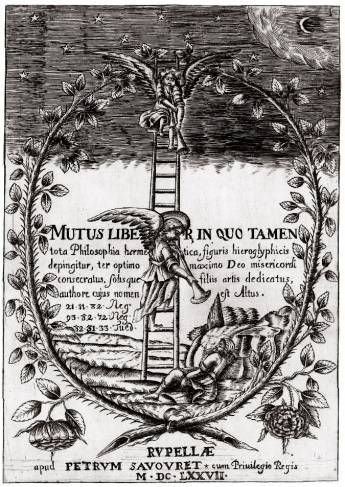
The doctrine of Candlestick encompasses esoteric concepts, substances, and relationships that reveal a profound philosophy. This essay synthesizes the raw data, exposing the intricate connections between celestial bodies, temporal cycles, and spiritual elevations.
The Cosmic Dance of Planets and Temporal Cycles
The Planets, as substances, preside over collective existences and modify the destinies of mankind. This concept is closely bound to the Year, a continuous cycle that embodies the iterative nature of change and development. The four seasons, typically understood as spring, summer, autumn, and winter, serve as a framework within which various aspects of the narrative unfold. The three Mothers, mentioned in Chapter 3, subtly influence this process, highlighting the cyclical and perpetually evolving nature of the story's progression.
The Candlestick, a gold masterpiece with seven branches and seven lamps, serves as a central focal point in the room, rich in both astronomical and cosmological symbolism. Each lamp corresponds to the seven planets, aligning the structure with widespread belief systems of the time. The seven lamps also symbolize various virtues and qualities, enhancing the candlestick's role in conveying deep philosophical and spiritual meanings. This celestial theme is further underscored by the inclusion of the seven colors, likely representing the seven planets.
Offerings and Spiritual Elevations
The Shewbread, comprising twelve loaves of bread, represents an offering to the Lord, symbolizing the months of the year. This concept is closely bound to the Candlestick, as the seven lamps were symbolic of the Shewbread, both representing offerings to the Lord. The Breastplate of the High Priest, adorned with twelve gemstones, symbolically represented the attributes of the planets, as depicted by the branching out of the candlestick into seventy parts.
The Decani, or seventy divisions of the planets, is symbolically represented by the number of branches on the candlestick. This concept is further connected to the Month, as months and planetary cycles are interconnected in the symbolic universe. The moon, associated with the color silver, represents the purified human nature.
The Elevation of Spiritual Aspects
The Elevation concept, represented by the colors on the High Priest's vestments, symbolizes the four elements of the universe: white for Earth, blue for Air, purple for Water, and scarlet for Fire. This concept is closely bound to the Candlestick, as the candlesticks are divided into parts to signify the elevation of spiritual aspects, like the four elements, and the planets.
The relationships between the entities reveal a profound philosophy, where celestial bodies, temporal cycles, and spiritual elevations are intricately connected. The Planets, as substances, preside over collective existences, influencing the destinies of mankind. The Year, a continuous cycle, embodies the iterative nature of change and development, while the Candlestick, a gold masterpiece, serves as a central focal point in the room, rich in both astronomical and cosmological symbolism.
Through the synthesis of these concepts and relationships, we uncover a rich body of symbolism that demonstrates the harmony between the macrocosm and human existence. The Candlestick tradition presents a profound philosophy, where the celestial and the spiritual are intertwined, revealing a deeper understanding of the mystical connections that govern our universe.
Bibliographia & Fontes
Primary Source Books Used in This Article
The doctrines, historical citations, and symbolic correspondences synthesized in this article are drawn from the following primary works and chapters:
- I.Manly P. Hall, The Secret Teachings of All Ages1928
An Encyclopedic Outline of Masonic, Hermetic, Qabbalistic and Rosicrucian Symbolical Philosophy
Chapters / Sections Consulted:Ch. “The Tabernacle in the Wilderness”
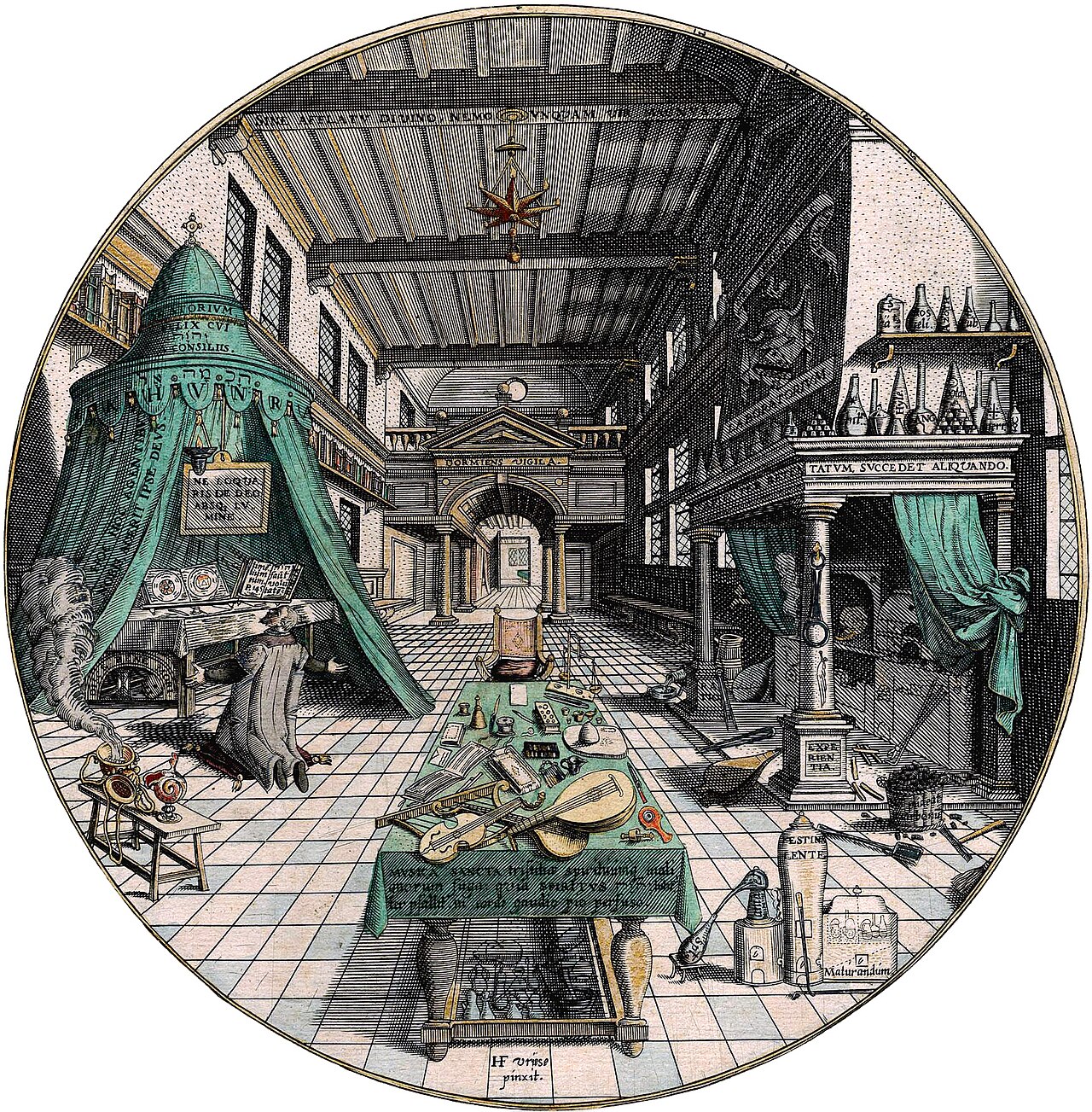
The Hermetic Museum: Restored and Enlarged (Waite Edition)
A compendium of twenty-two celebrated seventeenth-century alchemical treatises on the Philosopher’s Stone, the Tria Prima, and the Spagyric Art, translated and annotated by Arthur Edward Waite.