The 3 Fundamental Letters tradition presents a network of esoteric concepts, entities, and relationships that reveal a profound philosophy on the balance of virtues and vices. Central to this system is the interplay between Virtues and Vices, which are derived from and interact with various celestial hierarchies, elemental correspondences, and human aspects.
The Celestial Hierarchy and the Derivation of Virtues
The World of Yetzirah's sixth sphere, C 6, is a pivotal entity in this system, as it is the source from which Virtues are derived. This relationship is reciprocally confirmed, as C 6 is also said to be transformed into D 6 in the progression through Kabbalistic cosmology. The connection between C 6 and Virtues reveals the place of this celestial hierarchy in the generation and understanding of Virtues. The fact that Virtues are derived from C 6, the third Victory, demonstrates the significance of triumphant and fulfilling outcomes in the manifestation of Virtues.
The Balance of Elements and the Human Form
The three fundamental letters, (aleph), (mem), and (shin), corresponding to water, air, and fire respectively, play a essential part in this system. These elemental correspondences are linked to the human form, as detailed in Chapter 3, and are also associated with the balance of Virtues and Vices. The AE concept, which corresponds to these three fundamental elements, serves as a mediator between the elemental and human realms. The connection between the human form and the three fundamental letters suggests a deep interplay between the macrocosm and microcosm, where the balance of elements within the human form reflects the broader balance of Virtues and Vices.
Virtues and Vices: The Interplay of Goodness and Evil
Virtues and Vices are represented on opposing sides of the balance of elements, with Virtues embodying principles of goodness and leadership. The fact that Virtues are derived from C 6 and are linked to the three fundamental letters underscores their connection to the celestial hierarchy and the elemental correspondences. Vices, on the other hand, are represented on the side of evil and are associated with the same elemental correspondences, highlighting the dual nature of this system. The interplay between Virtues and Vices suggests a dynamic balance between goodness and evil, where the manifestation of one influences the other.
Bibliographia & Fontes
Primary Source Books Used in This Article
The doctrines, historical citations, and symbolic correspondences synthesized in this article are drawn from the following primary works and chapters:
- I.Manly P. Hall, The Secret Teachings of All Ages1928
An Encyclopedic Outline of Masonic, Hermetic, Qabbalistic and Rosicrucian Symbolical Philosophy
Chapters / Sections Consulted:Ch. “Fundamentals of Qabbalistic Cosmogony” · Ch. “The Qabbalah, the Secret Doctrine of Israel”
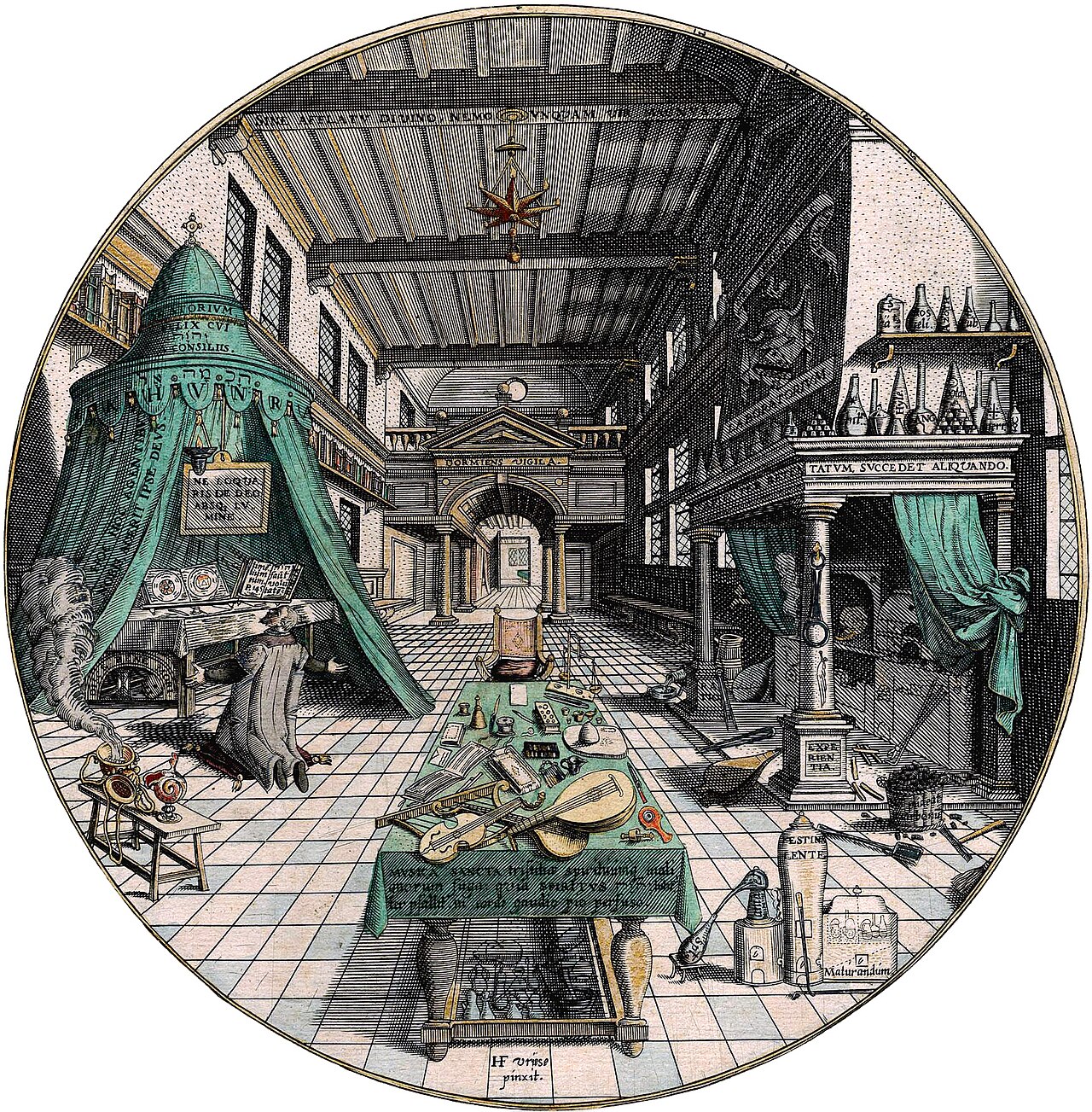
The Hermetic Museum: Restored and Enlarged (Waite Edition)
A compendium of twenty-two celebrated seventeenth-century alchemical treatises on the Philosopher’s Stone, the Tria Prima, and the Spagyric Art, translated and annotated by Arthur Edward Waite.