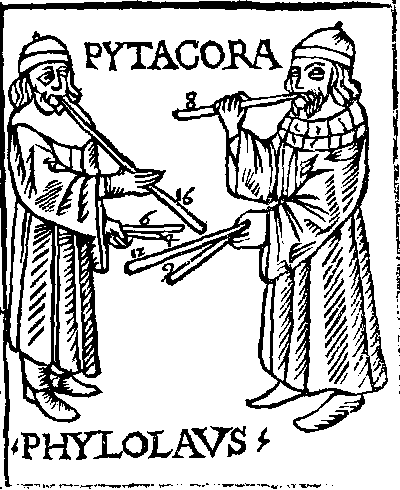
Through an analysis of the principles and correspondences presented, we will explore the profound influence of Aristotle's teachings on various philosophical schools, including the Lyceum, the Pythagorean school, and the Academy. We will also examine the connections between Aristotle and other notable philosophers, such as Dante, Diodorus, and Diogenes of Sinopis, to reveal the enduring legacy of his philosophical thought.
The Philosopher's Impact: Aristotle and the Lyceum
Aristotle's philosophical teachings, which emphasized the importance of both practical and theoretical knowledge, had a profound impact on the development of Western thought. As the premier disciple of Plato, Aristotle continued the Platonic doctrine, expanding its scope to encompass a wide range of subjects, including logic, ethics, metaphysics, and political theory. The Lyceum, where Aristotle taught, became a hub for the dissemination of his ideas, influencing generations of philosophers and scholars. Aristotle's emphasis on the value of actions and deeds over mere governance reflects his focus on the practical application of philosophical principles.
Influences and Connections: The Pythagorean School and Beyond
The Pythagorean school at Crotona, which valued philosophy highly, had a significant influence on Aristotle's thought. The school's emphasis on the importance of philosophy in a meaningful life resonated with Aristotle's own views on the subject. The connections between Aristotle and other philosophers, such as Dante, who referred to him as "the master of those who know," demonstrate the far-reaching impact of his ideas.
Aristotle's Followers and the Preservation of His Thought
Aristotle's followers, including Strato, Lyco, Aristo, Critolaus, and Diodorus, played a essential part in preserving and expanding his philosophical school of thought during the medieval period. Strato, in particular, carried on the teachings of Theophrastus, ensuring the continuation of Aristotle's ideas. The connections between these philosophers highlight the importance of intellectual lineage in the development of philosophical thought.
The Academy and the Value of Geometry
The entrance of the Platonic school in the Academy, which bore the words "Let none ignorant of geometry enter here," demonstrates the significance of geometry in the pursuit of philosophical knowledge. Aristotle's own emphasis on the importance of geometry reflects his recognition of its value in understanding the natural world. This ritualistic phrase serves as a reminder of the sympathy of philosophical and mathematical knowledge.
Cynicism and the Era of Diodorus and Diogenes
Diodorus, a key figure associated with the philosophical school of Megarianism, and Diogenes of Sinopis, a proponent of Cynicism, both lived during an era marked by intense philosophical debate. Their connections to Aristotle and other philosophers demonstrate the complexity and richness of the philosophical landscape of the time.
Bibliographia & Fontes
Primary Source Books Used in This Article
The doctrines, historical citations, and symbolic correspondences synthesized in this article are drawn from the following primary works and chapters:
- I.Manly P. Hall, The Secret Teachings of All Ages1928
An Encyclopedic Outline of Masonic, Hermetic, Qabbalistic and Rosicrucian Symbolical Philosophy
Chapters / Sections Consulted:Ch. “Introduction to Symbolical Philosophy” · Ch. “Conclusion”
Further Inquiry in This Cycle
Companion Studies & Disputations
The Enduring Legacy of Aristotle
The community of concepts known as the Aristotle tradition revolves around the philosophical legacy of Aristotle, a renowned Greek philosopher who tutored…
Lyco & Strato: The Legacy of Aristotle
This essay examines the philosophical lineage of Strato and Lyco, two figures connected to the Aristotelian tradition. By examining their relationships and…
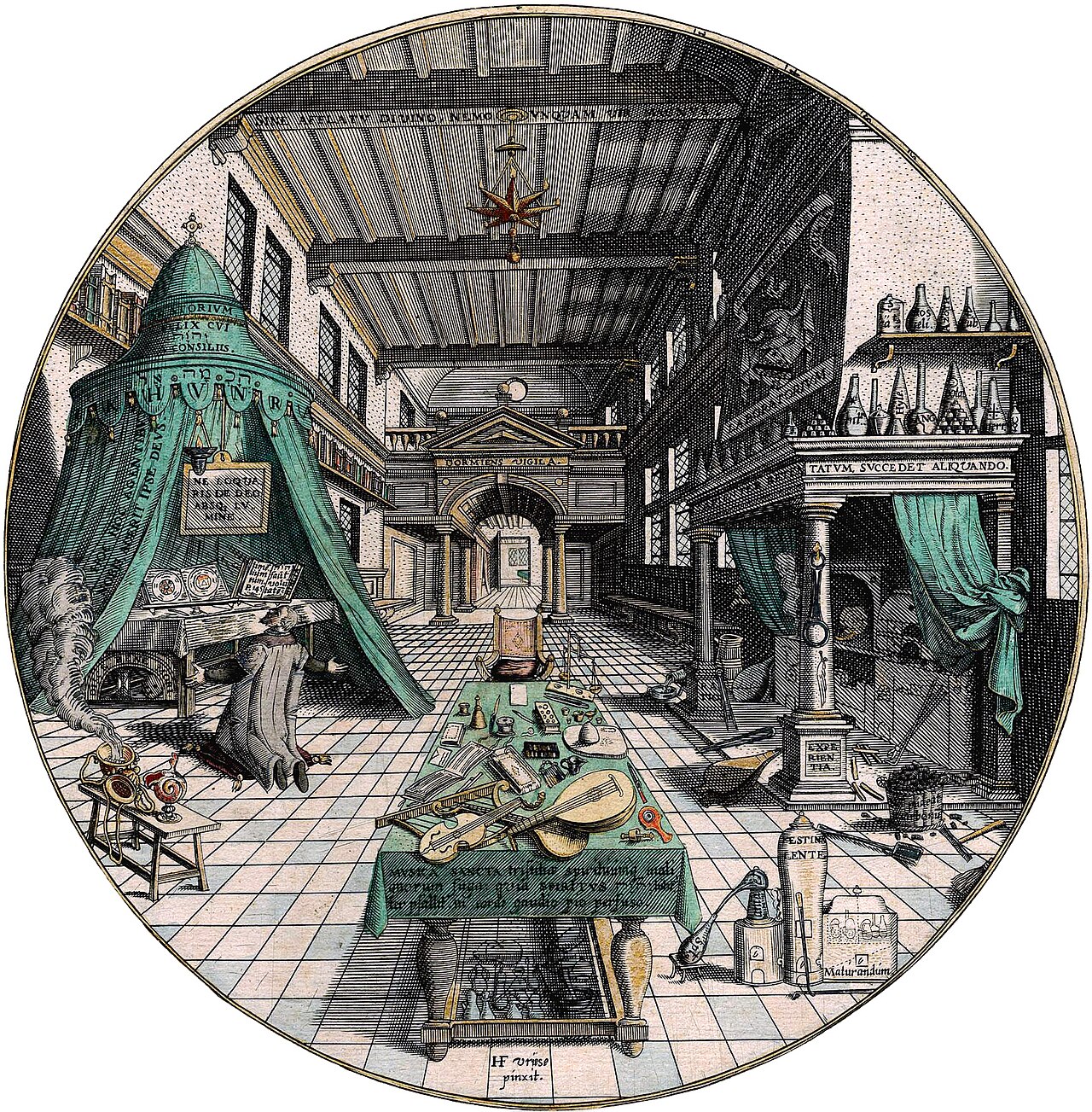
The Hermetic Museum: Restored and Enlarged (Waite Edition)
A compendium of twenty-two celebrated seventeenth-century alchemical treatises on the Philosopher’s Stone, the Tria Prima, and the Spagyric Art, translated and annotated by Arthur Edward Waite.