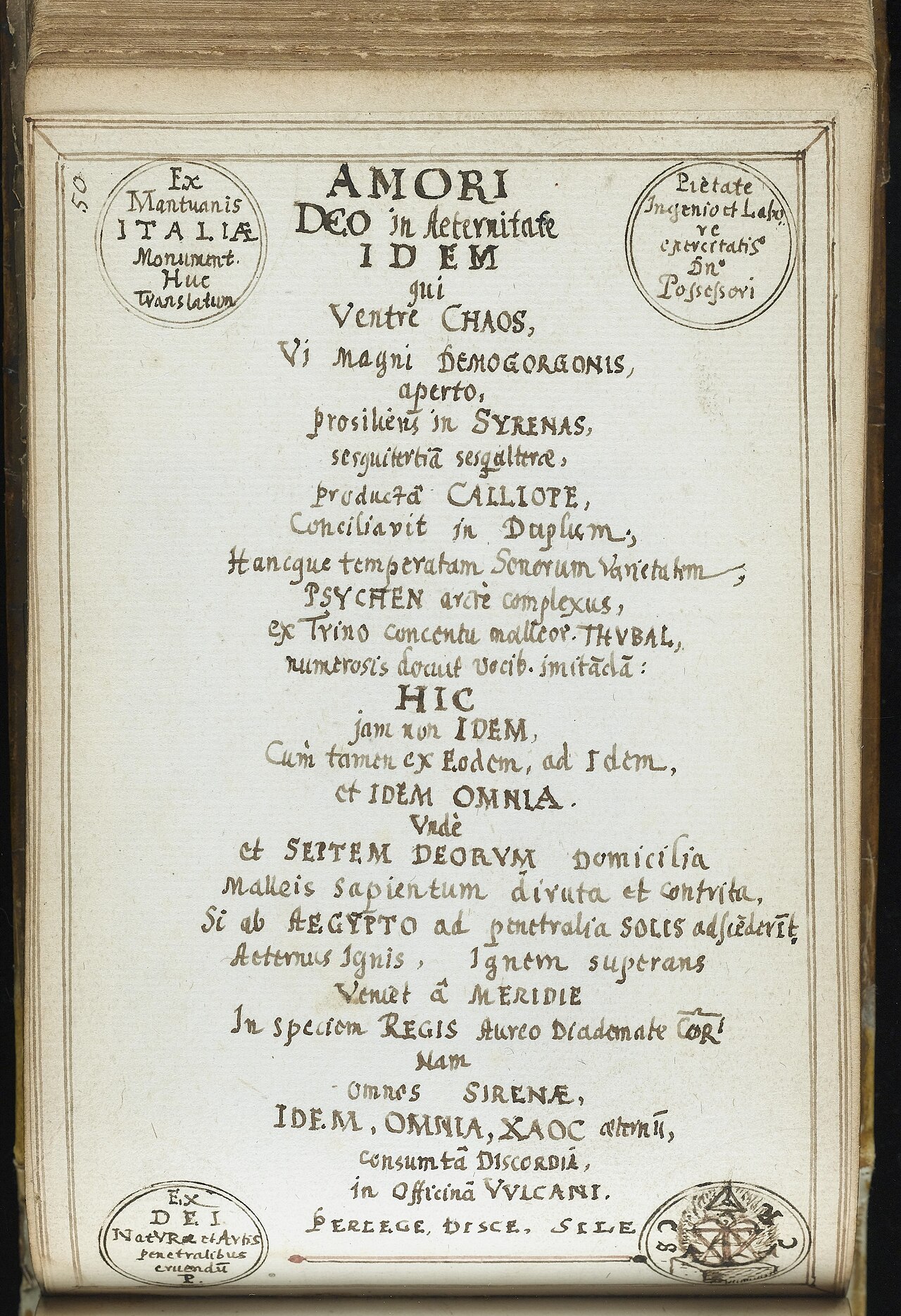
In the realm of this hermetic lineage, a vast array of esoteric concepts and substances converge to form an intricate system of alchemical thought. By examining the relationships between these figures and symbols, we will gain insight into the fundamental principles of transformation, perfection, and the pursuit of the philosopher's stone.
The Unity of Opposites: AZOTH and the Alchemical Quintessence
Central to this hermetic lineage is the concept of AZOTH, a manifold principle that embodies the essence of transformation and progress. As an alternative name for the Great Magical Agent, AZOTH serves as a pivotal force in alchemy, symbolizing the core process of transmutation. This concept is closely wedded with the kabalistic tradition, where it is constructed by rendering letters from the kabalistic alphabet with assigned values. The AZOTH's significance is further enriched by its connection to the ADEPTE, who, as the bird speaking from the Sun, Moon, and AZOTH, demonstrates a profound understanding of the alchemical quintessence.
The Elixirs of Transformation: ELIXIR, HOMUNCULI, and the Quest for Perfection
The ELIXIR, a potent substance with transformative capabilities, is a cornerstone of alchemical practice. Its connection to HOMUNCULI, small, transparent human images created from the bird's ashes and blood, highlights the shared goal of perfecting life and substances. The ELIXIR's relationships with ALCAHEST, PALARGENESIS, SPRITUS MUNDI, and QINTNESSANCE reveal a network of interactions aimed at achieving the revival and perfection of life and matter. The ELIXIR's pursuit of transmutation is mirrored in its connections with AURUM POTABLILE and AZOTH, both of which seek to perfect the body and achieve life perfection.
The Interplay of Substances: PLASTER, ALCAHEST, and the Universal Solvent
The PLASTER, a topical remedy prepared by the nun and thaumaturge, is part of the universal panacea, complementing the ELIXIR as an internal treatment. The ALCAHEST, a universal solvent in alchemy, is a key substance in achieving perfect living beings. Its relationships with PALARGENESIS, SPRITUS MUNDI, and QINTNESSANCE demonstrate a shared goal of transforming and perfecting nature. The ALCAHEST's connection to AURUM POTABLILE and AZOTH highlights the quest for dissolving and transmuting metals, a central process in alchemy.
The Palingenesis of Life: PALARGENESIS, SPRITUS MUNDI, and the Revival of Nature
PALARGENESIS, the restoration of plants from their ashes, is a ritual that embodies the idea of raising the dead or the rebirth of nature. Its connections with SPRITUS MUNDI, QINTNESSANCE, and AURUM POTABLILE reveal a shared goal of transforming and perfecting life and matter. The PALARGENESIS's relationship with AZOTH demonstrates a shared quest for perfecting life and matter through magical means.
The Quintessence of All Substances: QINTNESSANCE and the Pursuit of Perfection
QINTNESSANCE, the essence that grants life and properties to matter, is a fundamental concept in alchemy. Its relationships with ELIXIR, HOMUNCULI, ALCAHEST, PALARGENESIS, SPRITUS MUNDI, and AURUM POTABLILE highlight a shared goal of perfecting life and substances. The QINTNESSANCE's connection to AZOTH reveals a profound understanding of the mystical substances that aim to perfect life and matter.
The Solar Azoth: The Philosopher's Stone and the Culmination of Alchemical Pursuits
The SOLAR AZOTH, created through the volatilization of the sun's atoms, is the goal of the alchemical process. Its derivation from the AZOTH indicates the culmination of the alchemical odyssey, where the pursuit of transformation and perfection is finally achieved. The SOLAR AZOTH's connection to AZOTH, ELIXIR, HOMUNCULI, ALCAHEST, PALARGENESIS, SPRITUS MUNDI, and QINTNESSANCE demonstrates a profound understanding of the sympathy of all substances and the ultimate goal of alchemical pursuits.
The synthesis of this hermetic lineage's esoteric concepts and substances reveals a network of relationships that govern the pursuit of transformation, perfection, and the philosopher's stone.
Bibliographia & Fontes
Primary Source Books Used in This Article
The doctrines, historical citations, and symbolic correspondences synthesized in this article are drawn from the following primary works and chapters:
- I.Manly P. Hall, The Secret Teachings of All Ages1928
An Encyclopedic Outline of Masonic, Hermetic, Qabbalistic and Rosicrucian Symbolical Philosophy
Chapters / Sections Consulted:Ch. “The Theory and Practice of Alchemy” · Ch. “The Hermetic and Alchemical Figures of Claudius de Dominico Celentano (1606)” - II.Éliphas Lévi, Transcendental Magic: Its Doctrine and Ritual (Dogme et Rituel de la Haute Magie)1856 / 1896 trans.
Translated and Annotated by A. E. Waite
Chapters / Sections Consulted:Part II: The Ritual of Transcendental Magic
Further Inquiry in This Cycle
Companion Studies & Disputations
Homunculi: The Alchemical Pursuit of Perfection
By examining the sympathies among these principles such as Homunculi, Alcahest, Palingenesis, Spiritus Mundi, Quintessence, and Aurum Potabile, this…
Azoth: The Alchemical Quintessence
Through a philosophical analysis of these figures and symbols and their connections, we reveal the underlying principles of transformation, progress, and…
Elixir: Transformative Concoctions
In the esoteric community of this hermetic lineage, two transformative substances, Elixirs and Plasters, hold significant importance. By examining the…
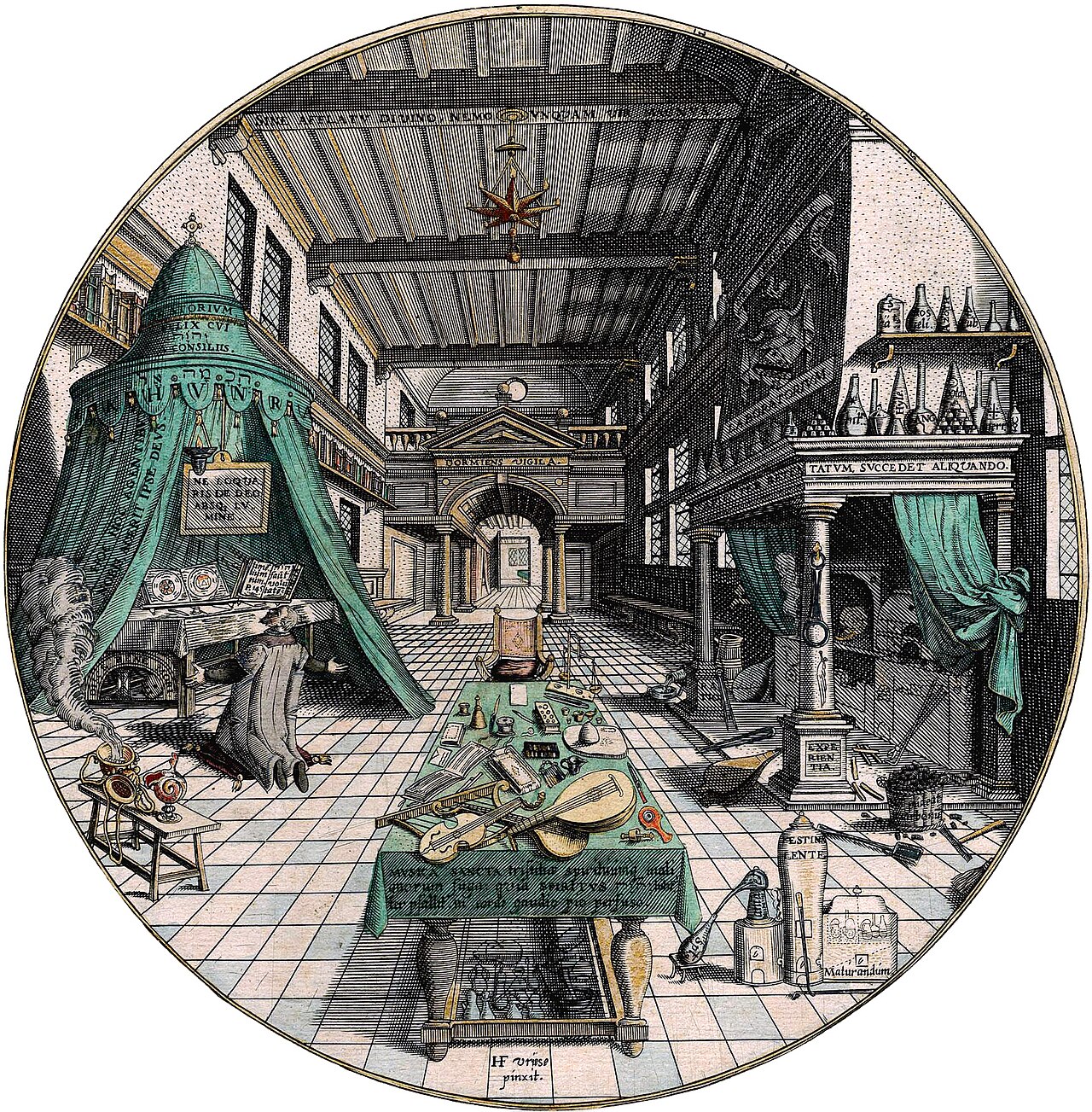
The Hermetic Museum: Restored and Enlarged (Waite Edition)
A compendium of twenty-two celebrated seventeenth-century alchemical treatises on the Philosopher’s Stone, the Tria Prima, and the Spagyric Art, translated and annotated by Arthur Edward Waite.