Central to this hermetic lineage is the pursuit of human wisdom, a fundamental concept in alchemy and the quest for the Philosophical Stone. Alchemists, such as Lividus and Etteilla, sought to attain this wisdom through their practices, which involved the transmutation of metals and the creation of universal medicines. However, this pursuit was not without its risks, as the potential misuse of alchemical knowledge could have disastrous consequences. This caution demonstrates the dual nature of alchemy, highlighting the need for responsible application of knowledge.
The Symbolism of King Solomon
King Solomon, a figure revered for his wisdom, is a recurring symbol in the alchemical tradition. Alchemists drew parallels between Solomon's temple building and their own quest for the Philosophical Stone, suggesting a deep connection between the two. The parable of the King's virgins, preserved in the work "Geheime Figuren der Rosenkreuzer," represents an allegory used by alchemists to convey the secrets of their art. Hartmann's translation and interpretation of this parable provide valuable insights into the symbolic language employed by alchemists.
Concealing True Teachings: The Alembic and Theatrum Chemicum Brittanicum
The alembic, an instrument of alchemy, was used by practitioners to conceal their true teachings. This practice is described in Elias Ashmole's book, "Theatrum Chemicum Brittanicum," which outlines the methods employed by alchemists to protect their knowledge. The use of symbolism and allegories was a crucial aspect of this concealment, allowing alchemists to share their wisdom with those who were deemed worthy while safeguarding against misuse.
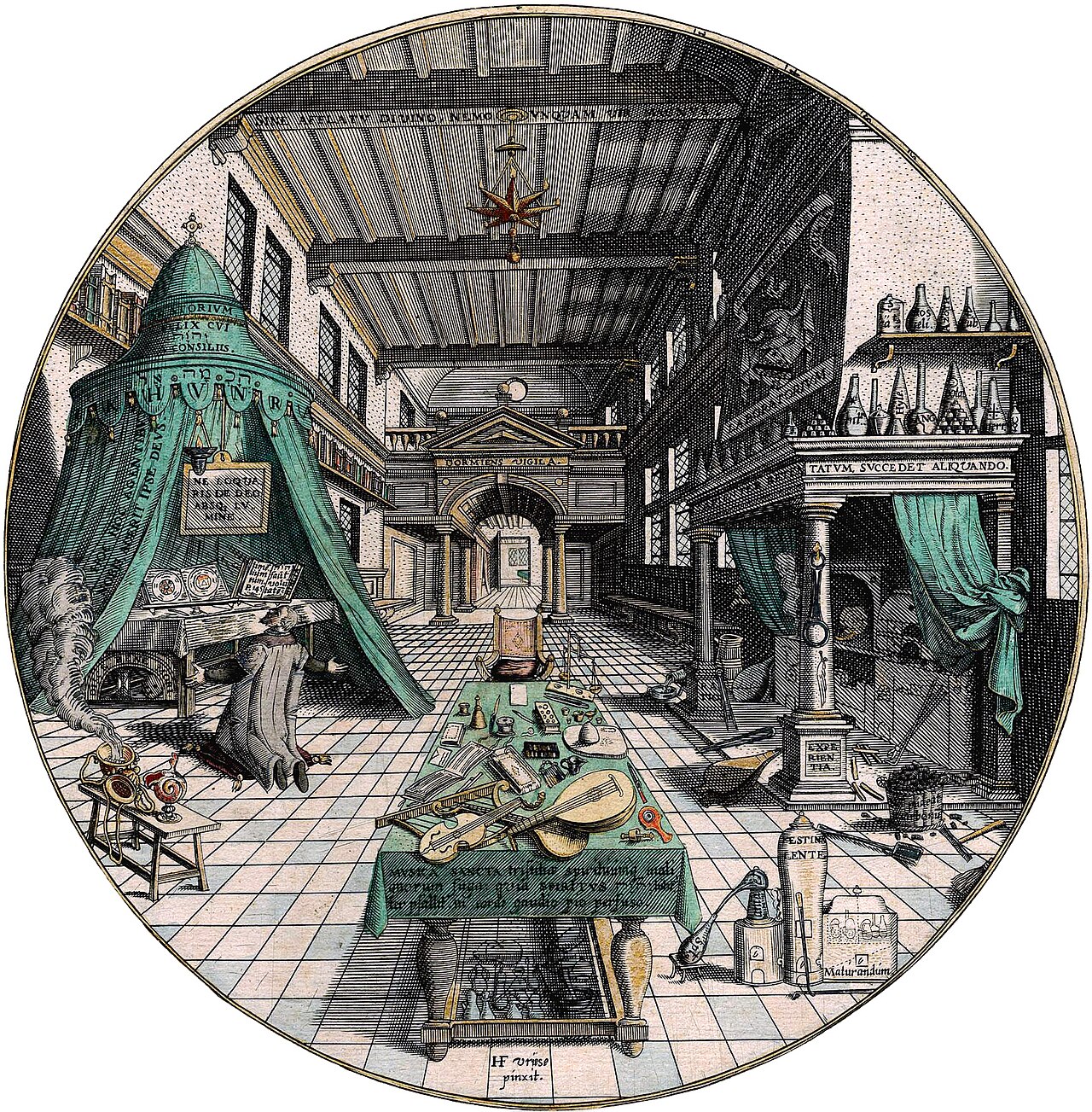
Alchemists
The connections between alchemists, human wisdom, King Solomon, and various alchemical substances and texts demonstrate a deep-seated pursuit of knowledge and understanding. By examining these relationships, we gain insight into the alchemical tradition and its emphasis on responsible application, symbolism, and the concealment of true teachings.
Bibliographia & Fontes
Primary Source Books Used in This Article
The doctrines, historical citations, and symbolic correspondences synthesized in this article are drawn from the following primary works and chapters:
- I.Manly P. Hall, The Secret Teachings of All Ages1928
An Encyclopedic Outline of Masonic, Hermetic, Qabbalistic and Rosicrucian Symbolical Philosophy
Chapters / Sections Consulted:Ch. “The Fraternity of the Rose Cross” · Ch. “The Theory and Practice of Alchemy” - II.Éliphas Lévi, Transcendental Magic: Its Doctrine and Ritual (Dogme et Rituel de la Haute Magie)1856 / 1896 trans.
Translated and Annotated by A. E. Waite
Chapters / Sections Consulted:Part II: The Ritual of Transcendental Magic
The Hermetic Museum: Restored and Enlarged (Waite Edition)
A compendium of twenty-two celebrated seventeenth-century alchemical treatises on the Philosopher’s Stone, the Tria Prima, and the Spagyric Art, translated and annotated by Arthur Edward Waite.