By examining the intricate sympathies among these principles such as Convulsionaries, Somnambulists, and various forms of divination, we gain insight into the underlying principles that govern this esoteric paradigm. Our analysis reveals a network of connections that demonstrates the performative nature of magic, affirming the role of temperament, abstraction, and symbolic manipulation in achieving desired outcomes.
The Performative Nature of Magic
Central to this hermetic lineage is the concept of Perform, which serves as a linchpin connecting traditional doctrines and substances. The relationships between Perform and other concepts reveal a deep-seated emphasis on the idea that magic is, in essence, a performative act. Whether it be the Convulsionaries' extraordinary ability to withstand pain, the Somnambulists' supernatural feats, or the various forms of divination (Aeromancy, Pyromancy, Hydromancy, and Geomancy), each of these figures and symbols is intimately tied to the notion of performing magic.
The connections between Perform and the different temperaments (Sanguine, Bilious, Phlegmatic, and Melancholic) further reinforce this idea, suggesting that an individual's predisposition towards certain magical practices is closely tied to their inherent personality traits. This, in turn, attests to the necessity of self-awareness and intentional selection of magical practices in achieving desired outcomes.
Abstraction and the Senses
The relationship between Perform and Abstraction is particularly noteworthy, as it highlights the significance of withdrawing the senses to achieve spiritual or mental clarity. This notion is echoed in the various forms of divination, which often require a state of heightened awareness or altered consciousness to access hidden knowledge or insights.
Symbolic Manipulation and the Power of Inversion
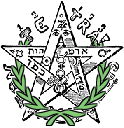
The connections between Perform and various symbols (Human Figure Head-Downwards, Sabath, Star of the Mages, Divine Lamb of Ormuz and St John, Accursed Goat of Mendes, Morning Star, and Evening Star) reveal a network of meaning that attests to the necessity of symbolic manipulation in magical practices. The use of these symbols in performing magic serves as a form of linguistic shorthand, allowing practitioners to tap into deeper reservoirs of meaning and power.
The Accursed Goat of Mendes, in particular, serves as a potent symbol of negative or chaotic forces, highlighting the idea that magic can be used to invoke either positive or negative outcomes, depending on the intentions of the practitioner. The Morning Star and Evening Star, meanwhile, serve as symbols of light and darkness, respectively, emphasizing the importance of balancing opposing forces in magical practices.
Bibliographia & Fontes
Primary Source Books Used in This Article
The doctrines, historical citations, and symbolic correspondences synthesized in this article are drawn from the following primary works and chapters:
- I.Éliphas Lévi, Transcendental Magic: Its Doctrine and Ritual (Dogme et Rituel de la Haute Magie)1856 / 1896 trans.
Translated and Annotated by A. E. Waite
Chapters / Sections Consulted:Part II: The Ritual of Transcendental Magic
Transcendental Magic: Its Doctrine and Ritual (Éliphas Lévi)
The cornerstone of modern occultism and ceremonial magic, expounding the equilibrium of the Astral Light, the Pentagram, and the correspondence of the Twenty-Two Arcana.