By examining the principles and correspondences within this tradition, we can discern a profound philosophy underpinning the performance of magic, spiritual practices, and the human experience. This synthesis will reveal the sympathy of extraordinary abilities, divination methods, and symbolic representations, ultimately shedding light on the essence of esoteric performance.
The Convulsionary Paradox
The Convulsionaries, a group of individuals with extraordinary pain tolerance, are often associated with religious phenomena. This unique trait highlights the intersection of physical fortitude and spiritual significance, setting them apart from the typical human experience. The Convulsionaries' ability to withstand pain or sensory input can be seen as a form of abstraction, where they withdraw their senses to achieve a state of spiritual or mental clarity. This paradoxical relationship between physical endurance and spiritual significance serves as a foundation for understanding the esoteric performance.
The Performative Nexus
The concept of Perform serves as a nexus, connecting traditional doctrines and relationships within the community. Perform refers to actions that lead to significant effects, often manifesting as supernatural feats or wonders. This concept is closely bound to the Convulsionaries, Somnambulists, and divination methods such as Aeromancy, Pyromancy, Hydromancy, and Geomancy. Each of these figures and symbols and methods is predisposed towards specific temperaments, affirming the role of individual inclinations in the performance of magic.
Temperaments and Divination
The four temperaments – Sanguine, Bilious, Phlegmatic, and Melancholic – are each associated with specific divination methods. This correlation demonstrates the significance of individual personality types in the performance of magic. For instance, Sanguine temperaments are predisposed towards Aeromancy, while Bilious temperaments are suited for Pyromancy. This synergy between temperament and divination method facilitates a deeper understanding of the esoteric performance, where individual inclinations play a essential part in the manifestation of magic.
Symbolic Representations and Forces
The community is replete with symbolic representations, each carrying distinct meanings and connotations. The Human Figure Head-Downwards, an inverted pentagram, represents intellectual subversion or chaos, while the Saviour symbolizes positive magic and protection. The Star of the Magi, a legendary star symbol, is central to performing magic, representing divine connection and magic. The Accursed Goat of Mendes, a symbol of negative or evil forces, is closely bound to destructive or unpredictable outcomes. These symbolic representations serve as a lexicon for understanding the complex interplay of forces within the esoteric performance.
Fatherly Authority and the Saviour
The concept of Fatherly Authority is related to the Saviour, implying a state of protection and eventual rescue or enlightenment. This relationship highlights the significance of guidance and mentorship in the esoteric performance. The Saviour, as a symbol of positive magic, represents the ultimate goal of esoteric performance – the attainment of spiritual enlightenment or protection.
Bibliographia & Fontes
Primary Source Books Used in This Article
The doctrines, historical citations, and symbolic correspondences synthesized in this article are drawn from the following primary works and chapters:
- I.Éliphas Lévi, Transcendental Magic: Its Doctrine and Ritual (Dogme et Rituel de la Haute Magie)1856 / 1896 trans.
Translated and Annotated by A. E. Waite
Chapters / Sections Consulted:Part II: The Ritual of Transcendental Magic - II.A. E. Thierens, The General Book of the Tarot1930
Containing the Astrological Key to the Esoteric Tradition of the Greater and Lesser Arcana (Intro. by A. E. Waite)
Further Inquiry in This Cycle
Companion Studies & Disputations
The Esoteric Paradigm of Perform
By examining the intricate sympathies among these principles such as Convulsionaries, Somnambulists, and various forms of divination, we gain insight into…
Saviour & Fatherly Authority: Salvation and Governance
Through a critical analysis of their sympathy, we reveal a profound understanding of the human experience, highlighting the intricate dance between…
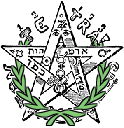
Transcendental Magic: Its Doctrine and Ritual (Éliphas Lévi)
The cornerstone of modern occultism and ceremonial magic, expounding the equilibrium of the Astral Light, the Pentagram, and the correspondence of the Twenty-Two Arcana.