In the study of the philosophical contributions of this hermetic lineage, which comprises the works and ideas of Volney, Dupuis, and the concept of Cabalistic keys. Through a critical examination of their relationships and findings, this synthesis reveals the underlying themes of human cultural development, the sympathy of religious symbols, and the negation of traditional notions of divine revelation.
The Interplay between Myth and Religion
The works of Volney and Dupuis serve as a testament to the intellectual curiosity of the late Enlightenment period. Their collaborative research endeavors aimed to uncover the underlying symbols and meanings embedded in various religions. By doing so, they highlighted the complex interplay between myth and religion, demonstrating that every major religion could be seen as a reflection of human cultural development rather than divine revelations. This conclusion has far-reaching implications, as it challenges the traditional notion of a single, true religion.
The Significance of Cabalistic Keys
The five books of Moses, the Prophecy of Ezekiel, and the Apocalypse of St. John are identified as the Cabalistic keys, symbolizing various religious symbols. The research conducted by Dupuis and Volney on these keys reveals the sympathy of religious symbols across different cultures. This finding demonstrates the universal themes of human spirituality, which transcend traditional religious boundaries.
Dupuis's Critical Stance and Contributions
Dupuis's work, "The Origin of all Religious Worship," showcases his critical stance on established beliefs. His detailed descriptions of various religious practices and figures, including the account of Mithras's death by crucifixion and resurrection, demonstrate his scholarly interest in the origins and evolution of religious symbolism. Dupuis's critical approach and contributions to the field of religious studies serve as a testament to the intellectual rigor of this hermetic lineage.
The Continuity of Knowledge
The relationships between Volney, Dupuis, and the Cabalistic keys highlight the continuity of knowledge among prominent figures of the period. The collaborative efforts of Dupuis and Volney demonstrate the value of intellectual exchange and the pursuit of knowledge. Their research endeavors serve as a foundation for future scholars, demonstrating the importance of building upon existing knowledge.
Bibliographia & Fontes
Primary Source Books Used in This Article
The doctrines, historical citations, and symbolic correspondences synthesized in this article are drawn from the following primary works and chapters:
- I.Éliphas Lévi, Transcendental Magic: Its Doctrine and Ritual (Dogme et Rituel de la Haute Magie)1856 / 1896 trans.
Translated and Annotated by A. E. Waite
Chapters / Sections Consulted:Part I: The Doctrine of Transcendental Magic · Part II: The Ritual of Transcendental Magic
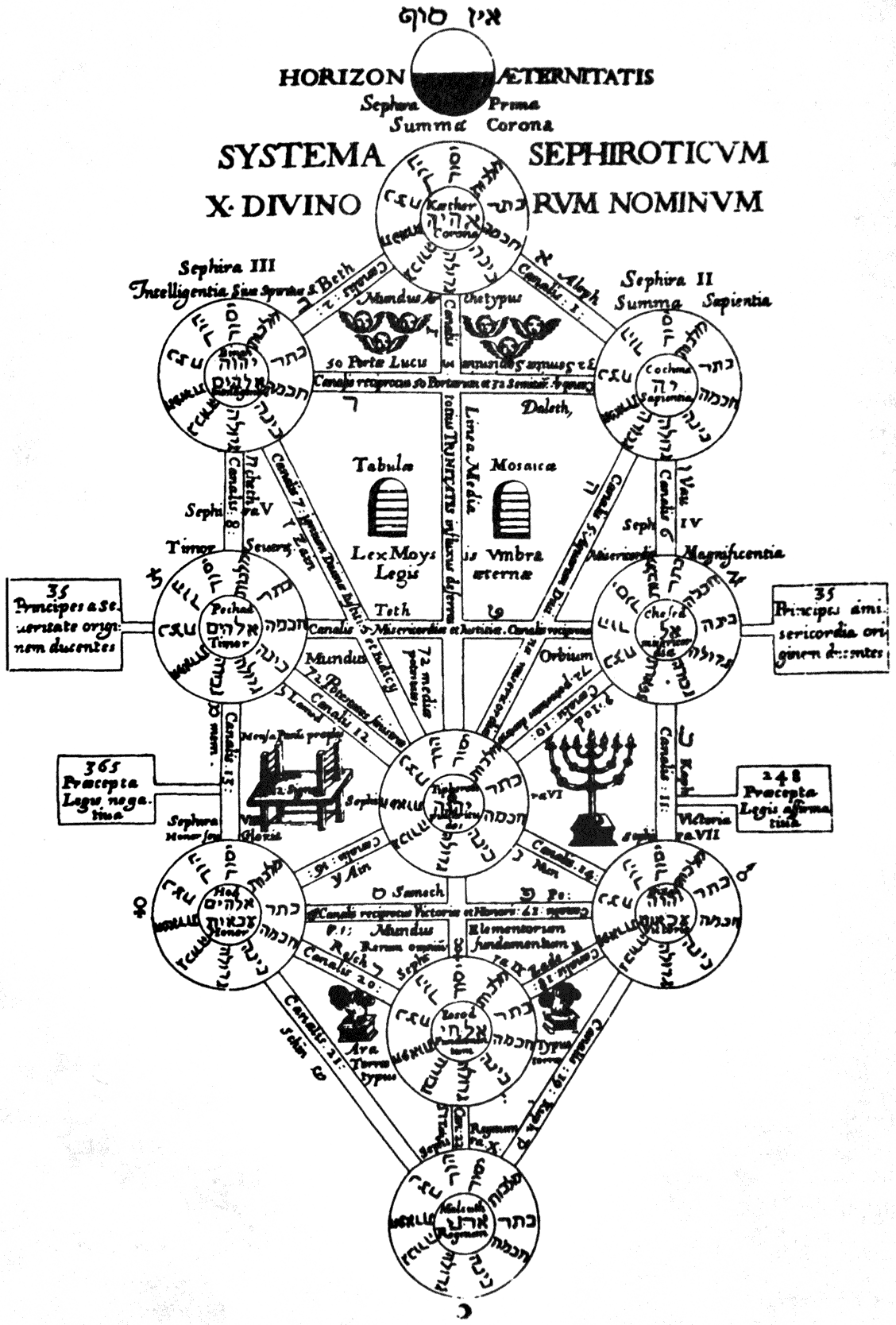
The Kabbalah Unveiled (S. L. MacGregor Mathers)
Containing the foundational translations and esoteric commentaries on the Book of Concealed Mystery, the Greater Holy Assembly, and the Lesser Holy Assembly from the Zohar.