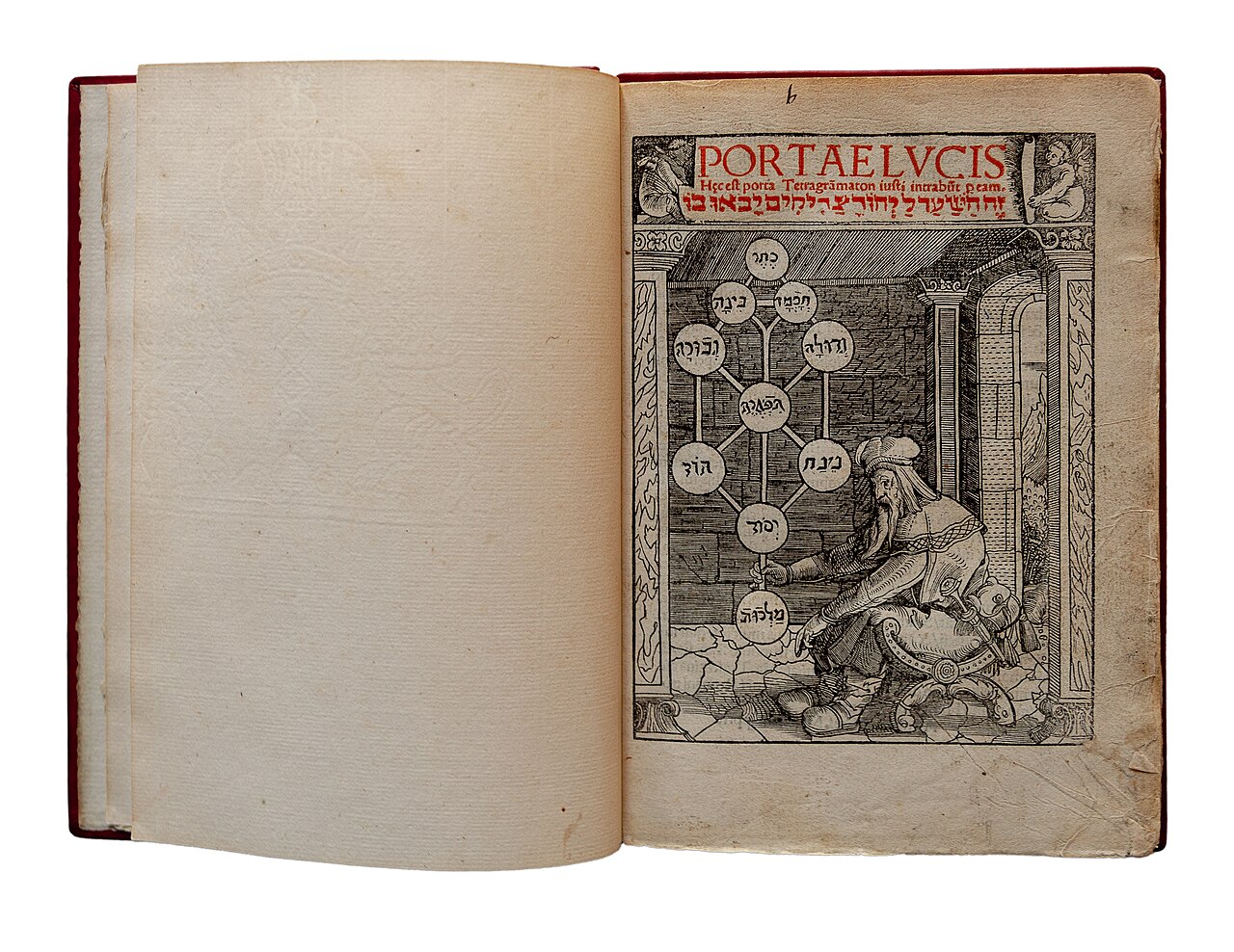
The doctrine of Scepticism encompasses philosophical concepts, entities, and relationships that weave together to form a complex landscape of doubt, inquiry, and understanding. At its core, this tradition explores the intersections of skepticism, analogy, hypothesis, and dogma, revealing a nuanced portrait of human knowledge and its limitations.
Historical & Symbolic Context
The Scepticism tradition's philosophical landscape is characterized by a profound appreciation for the limitations of human knowledge and the importance of doubt in the pursuit of understanding. **Scepticism** , in this context, emerges as a crucial catalyst for intellectual inquiry, fostering a critical approach to established beliefs and encouraging experimentation. The **Skeptics** , a lineage of philosophers, embody this spirit of doubt, influencing the development of various philosophical traditions, including the Academic philosophers.
The relationship between **Analogy** and **Hypothesis** serves as a cornerstone of this tradition's philosophical framework. Analogy, as a bridge between the finite and the infinite, enables the formulation of hypotheses, which, in turn, facilitate the expansion of knowledge. **Occult Medicine** , a ritual practice, illustrates the application of analogy in understanding the mysteries of life and the universe. The Astral Light, a central concept in occult medicine, is linked to the Great Magical Arcanum, highlighting the analogical connections between the material and spiritual realms.
**Dogma** , on the other hand, represents a constant hypothesis that ascends in complexity, often serving as an absolute affirmation for the ignorant. This phenomenon is closely tied to **Fallibility** , which acknowledges the limitations of human knowledge and the dangers of dogmatic thinking. The analogy of dogma and infallibility demonstrates the inherent fallibility in human beliefs and definitions of the divine.
The **Academics** , a lineage of philosophers initiated by Plato, are divided into old, middle, and new Academies. The middle and new Academies, in particular, were influenced by skepticism, which played a essential part in shaping their intellectual environment and fostering critical inquiry. **Platonism** , a philosophical tradition based on a priori reasoning, is integral to the design and interpretation of the Table of Isis.
The relationships between **Aristotelianism** , **Cyrenesians** , and **Epicureans** further illuminate the philosophical landscape of this hermetic lineage. Aristotelianism, based on a posteriori reasoning, is contrasted with Platonism, highlighting the fundamental differences between these two philosophical traditions. The Cyrenesians and Epicureans, both of which emphasized pleasure, differ on its sources and philosophical foundations, reflecting the diversity of thought within this tradition.
The Scepticism tradition presents a complex and dynamic philosophical landscape, where skepticism, analogy, hypothesis, and dogma intersect and interact. this tradition's philosophical framework serves as a reminder of the importance of critical thinking, the limitations of human knowledge, and the ongoing pursuit of wisdom.
Bibliographia & Fontes
Primary Source Books Used in This Article
The doctrines, historical citations, and symbolic correspondences synthesized in this article are drawn from the following primary works and chapters:
- I.Manly P. Hall, The Secret Teachings of All Ages1928
An Encyclopedic Outline of Masonic, Hermetic, Qabbalistic and Rosicrucian Symbolical Philosophy
Chapters / Sections Consulted:Ch. “Introduction to Symbolical Philosophy” - II.Éliphas Lévi, Transcendental Magic: Its Doctrine and Ritual (Dogme et Rituel de la Haute Magie)1856 / 1896 trans.
Translated and Annotated by A. E. Waite
Chapters / Sections Consulted:Part I: The Doctrine of Transcendental Magic
Further Inquiry in This Cycle
Companion Studies & Disputations
Cyrenesians: The Pleasure Paradox
In this essay, we examine the philosophical underpinnings of two ancient schools of thought: the Cyrenesians, founded by Aristippus, and the Epicureans…
The Interplay of Skepticism and Dogma in the Context of Platonic
By examining the connections between these concepts, we can gain a deeper understanding of the intellectual environment that shaped the development of…
Analogy: "The Interplay of Human Understanding
This synthesis illuminates the tensions between scientific inquiry, philosophical introspection, and the quest for meaning in an uncertain…
The Dichotomy of Reasoning: Platonism and Aristotelianism
This essay explores the philosophical dichotomy between Platonism and Aristotelianism, two contrasting philosophies rooted in distinct reasoning…
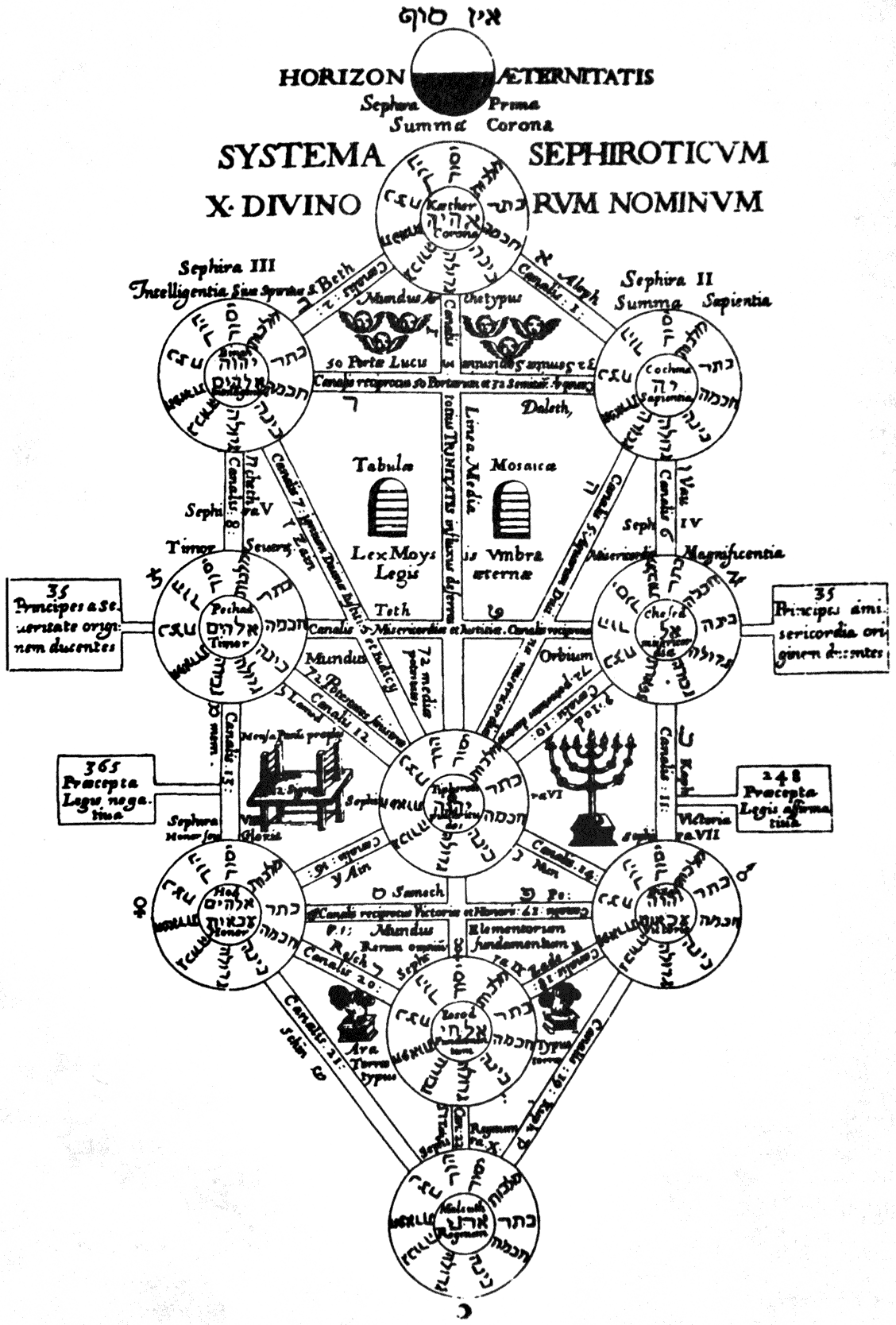
The Kabbalah Unveiled (S. L. MacGregor Mathers)
Containing the foundational translations and esoteric commentaries on the Book of Concealed Mystery, the Greater Holy Assembly, and the Lesser Holy Assembly from the Zohar.