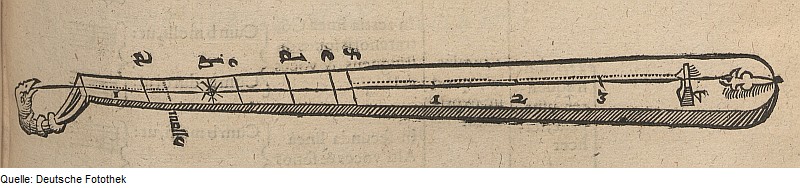
Central to this framework is the philosophy of Plato, whose ideas on metaphysics, ethics, and the nature of existence serve as a foundation for the community's esoteric teachings. The interplay between Plato's philosophy, Pythagorean concepts, and the symbolism of music, numbers, and the lyre, among others, reveals a profound understanding of the harmony and unity that underlies existence.
The Platonic Foundation
Plato's philosophy provides the bedrock for the Plato tradition's esoteric teachings. His emphasis on clear definitions, rigorous examination of knowledge and reality, and the theory of forms, which posits three distinct realms of being, sets the stage for a deeper exploration of existence. The Platonic concept of the One, a central element in his philosophical framework, serves as a foundational aspect of his theories, reflecting its central part in his philosophical constructs and discussions. The One is not only a symbol of unity but also an absolute term that precedes all other concepts, embodying unity and signifying the highest form of reality.
Numbers and Music
The Pythagorean monad, a fundamental unit or unity, is deeply connected to the concept of the One. The monad is the prototype of odd numbers, indicating a foundational role in their conceptual structure. The relationship between the Pythagorean monad and the number one is one of mutual influence, with the monad representing the 'source of many' and the number one signifying unity and wholeness at its peak. Music, as a concept, is also closely tied to the realm of numbers, with the lyre symbolizing music as a ritual teaching divine secrets. The lyre, deeply rooted in mythology and philosophy, is associated with two influential figures—Orpheus and Pythagoras—who recognized its power in promoting holistic well-being through sound.
The Triadic Principle
The concept of Three, as a triad or a step in the alchemical process, indicates its role in transformations and the development of substance or knowledge. The number Three is also notable as a "very good card" in divinatory practices, suggesting that collaboration and teamwork bring substantial benefits to an enterprise. The concept of Three and One, a unity of three principles or elements in alchemy, further demonstrates the significance of the triadic principle in achieving balance and harmony. The unity of three principles is derived from the principle of the triad, affirming the role of cooperation and collective effort in achieving a desired outcome.
The Interplay between Entities
The Demiurgus, a divine creator figure, uses even numbers as patterns in the universe's formation, suggesting a relationship between the theory and the entity's teachings. The lyre and Calliope, the muse of epic poetry, embody the divine revelation of the secret doctrine through music, demonstrating the significance of artistic expression in conveying esoteric truths. Plato's works, including dialogues, preserved and expanded Socratic ideas, affirming the role of critical thinking and ethical inquiry in philosophical inquiry.
Bibliographia & Fontes
Primary Source Books Used in This Article
The doctrines, historical citations, and symbolic correspondences synthesized in this article are drawn from the following primary works and chapters:
- I.Manly P. Hall, The Secret Teachings of All Ages1928
An Encyclopedic Outline of Masonic, Hermetic, Qabbalistic and Rosicrucian Symbolical Philosophy
Chapters / Sections Consulted:Ch. “The Pythagorean Theory of Music and Color” · Ch. “The Ancient Mysteries and Secret Societies (Part III)” · Ch. “The Hermetic and Alchemical Figures of Claudius de Dominico Celentano (1606)” · Ch. “Pythagorean Mathematics” · Ch. “Introduction to Symbolical Philosophy” - II.Éliphas Lévi, Transcendental Magic: Its Doctrine and Ritual (Dogme et Rituel de la Haute Magie)1856 / 1896 trans.
Translated and Annotated by A. E. Waite
Chapters / Sections Consulted:Part II: The Ritual of Transcendental Magic - III.Max Heindel, The Rosicrucian Mysteries: An Elementary Exposition of Their Secret Teachings1911
The Rosicrucian Fellowship
- IV.Helena Petrovna Blavatsky, The Secret Doctrine1888
Classical Primary Source Referenced in Text
Further Inquiry in This Cycle
Companion Studies & Disputations
Plato: Plato's Philosophical Framework
This essay examines the esoteric synthesis of this hermetic lineage, focusing on the philosophical framework of Plato, a renowned ancient Greek…
Music: The Harmony of Thought and Expression
Through a careful analysis of these concepts, we uncover a rich body of thought and expression that demonstrates the profound significance of music in the…
One & Even Number: The Unity of Numbers
The analysis reveals a network of meanings, demonstrating the significance of unity, totality, and transformation. By synthesizing the surviving literature…
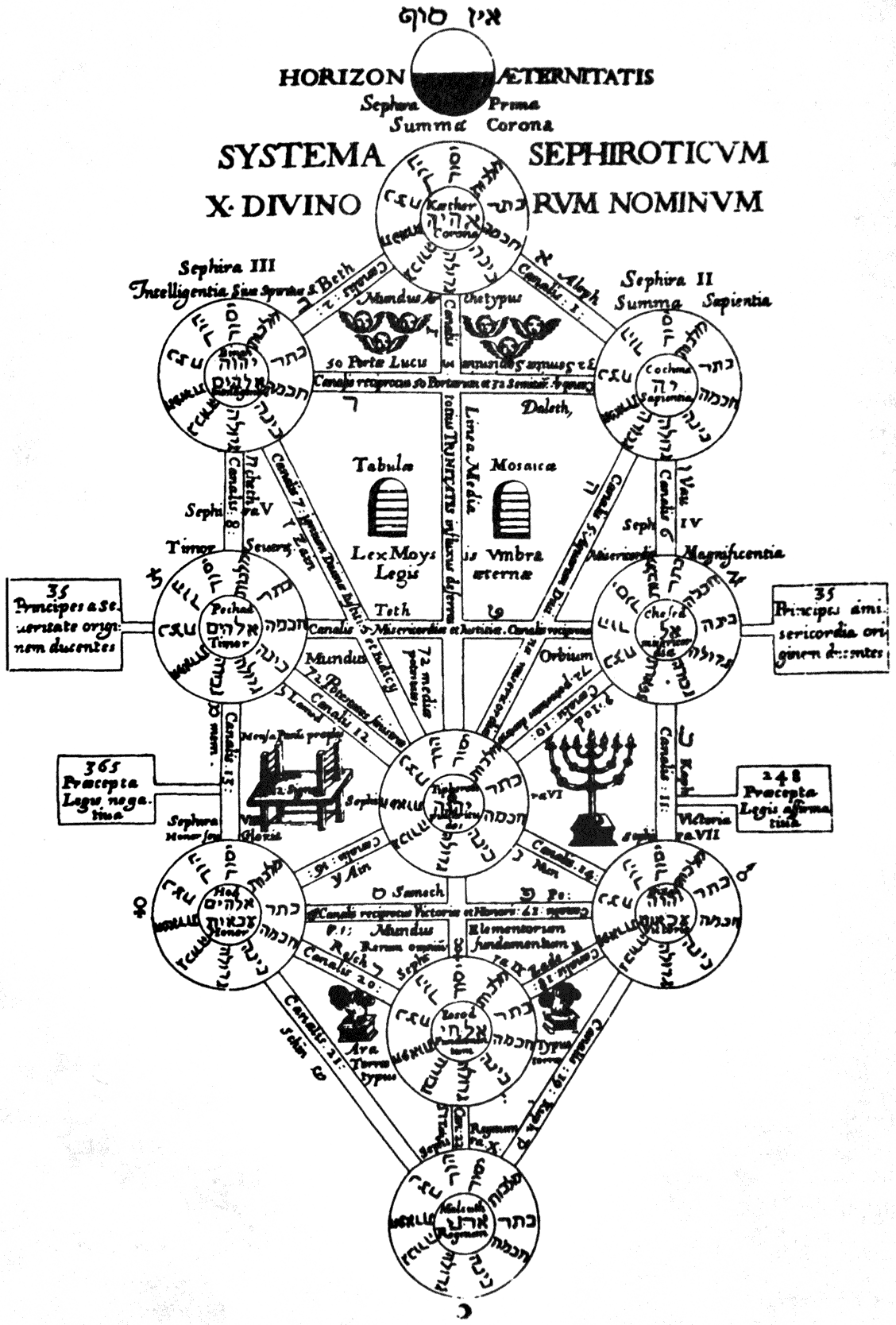
The Kabbalah Unveiled (S. L. MacGregor Mathers)
Containing the foundational translations and esoteric commentaries on the Book of Concealed Mystery, the Greater Holy Assembly, and the Lesser Holy Assembly from the Zohar.