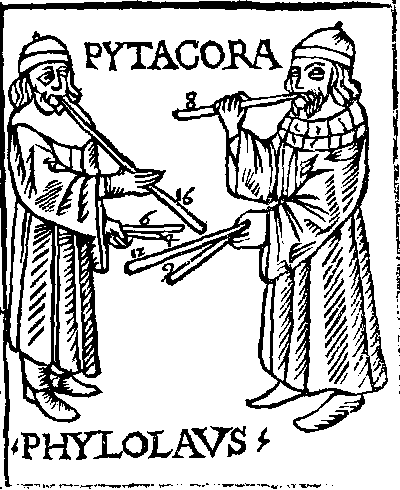
The classical sources and relationships reveal a complex philosophical framework that explores the sympathy of music, cosmic harmony, and the fundamental aspects of existence. Central to this framework is the concept of the music of the spheres, which posits that the planets and stars produce sounds or music as they move through space. This idea is closely bound to the notion of spheric harmony, which suggests that the spheres of the universe produce a harmonious sound as they move. The philosopher Fludd plays a central role in this framework, as his works, particularly "De Musica Mundana," provide a comprehensive and innovative perspective on the universal harmony that permeates the cosmos.
Historical & Symbolic Context
The Mundane Monoichord, a theoretical instrument representing the universe as a single string connecting higher and lower realms, serves as a foundational concept in this philosophical framework. Fludd's theory of the Mundane Monoichord highlights the sympathy of the universe, emphasizing the relationship between the earthly realm and the Upper Heaven, where spirit predominates over matter.
The ninefold division of the universe, another key concept in this framework, is directly related to the music of the spheres. This division theory, articulated by Fludd, emphasizes the cosmological significance of planetary music, positing that each division within the ninefold system corresponds to a distinct harmonic planetary note. This holistic view suggests that the celestial bodies emit musical notes that, when aligned, create a unified and harmonious cosmic order.
The Aeolian scale, rooted within the domain of planetary music, is closely bound to the concepts of spheric harmony and the ninefold division. Each note of the Aeolian scale symbolically represents the movement of a planet, weaving together the cosmic motions of the heavenly bodies to create a musical representation of the solar system's dynamic interactions.
The nine Muses, a group of celestial entities, embody the universal harmony of the spheres, collectively representing the joint symphony of the spheres of the universe. Each Muse corresponds to a musical note in the Aeolian scale, signifying the cosmological connection between the Muses and the spheres.
The relationships between the entities and concepts reveal a network of sympathy. Fludd's work "De Musica Mundana" is a seminal text that explores the intricate relationships between music, cosmic harmony, and the fundamental aspects of existence. The diagram dividing the four primary elements into three subdivisions underscores Fludd's interest in the sympathy of music and the universe.
The candlestick symbolism of the Jews, featuring a central sun symbol and surrounding planets, reflects the concept of planetary music by mirroring the diatonic scale. This symbolism suggests a harmonious alignment between the celestial bodies and the musical scale, centered around the sun.
The aethereal diffusion, as a medium, allows the production of musical tones by planetary movements, aligning with the Aeolian scale. This concept demonstrates the idea that the planets' movements produce musical tones, which are woven together to create a harmonious cosmic order.
The classical sources and relationships reveal a rich philosophical framework that explores the sympathy of music, cosmic harmony, and the fundamental aspects of existence. Central to this framework is the concept of the music of the spheres, which posits that the planets and stars produce sounds or music as they move through space. This idea is closely bound to the notion of spheric harmony, which suggests that the spheres of the universe produce a harmonious sound as they move. The philosopher Fludd plays a central role in this framework, as his works provide a comprehensive and innovative perspective on the universal harmony that permeates the cosmos.
Bibliographia & Fontes
Primary Source Books Used in This Article
The doctrines, historical citations, and symbolic correspondences synthesized in this article are drawn from the following primary works and chapters:
- I.Manly P. Hall, The Secret Teachings of All Ages1928
An Encyclopedic Outline of Masonic, Hermetic, Qabbalistic and Rosicrucian Symbolical Philosophy
Chapters / Sections Consulted:Ch. “The Pythagorean Theory of Music and Color”
Further Inquiry in This Cycle
Companion Studies & Disputations
Aeolian Scale & Aethereal Diffusion: Harmonizing the Cosmos
This essay examines the esoteric domain of this hermetic lineage, where the intersections of planetary music, Jewish symbolism, and aethereal diffusion…
The Harmonious Universe: Synthesizing the Philosophy of Nine Muses
The doctrine of Nine Muses encompasses philosophical concepts and relationships that weave together to form a profound understanding of the universe as a…
Fludd: The Harmonious Universe
The Fludd tradition presents a philosophical framework that explores the sympathy of music, cosmic harmony, and the fundamental aspects of existence.
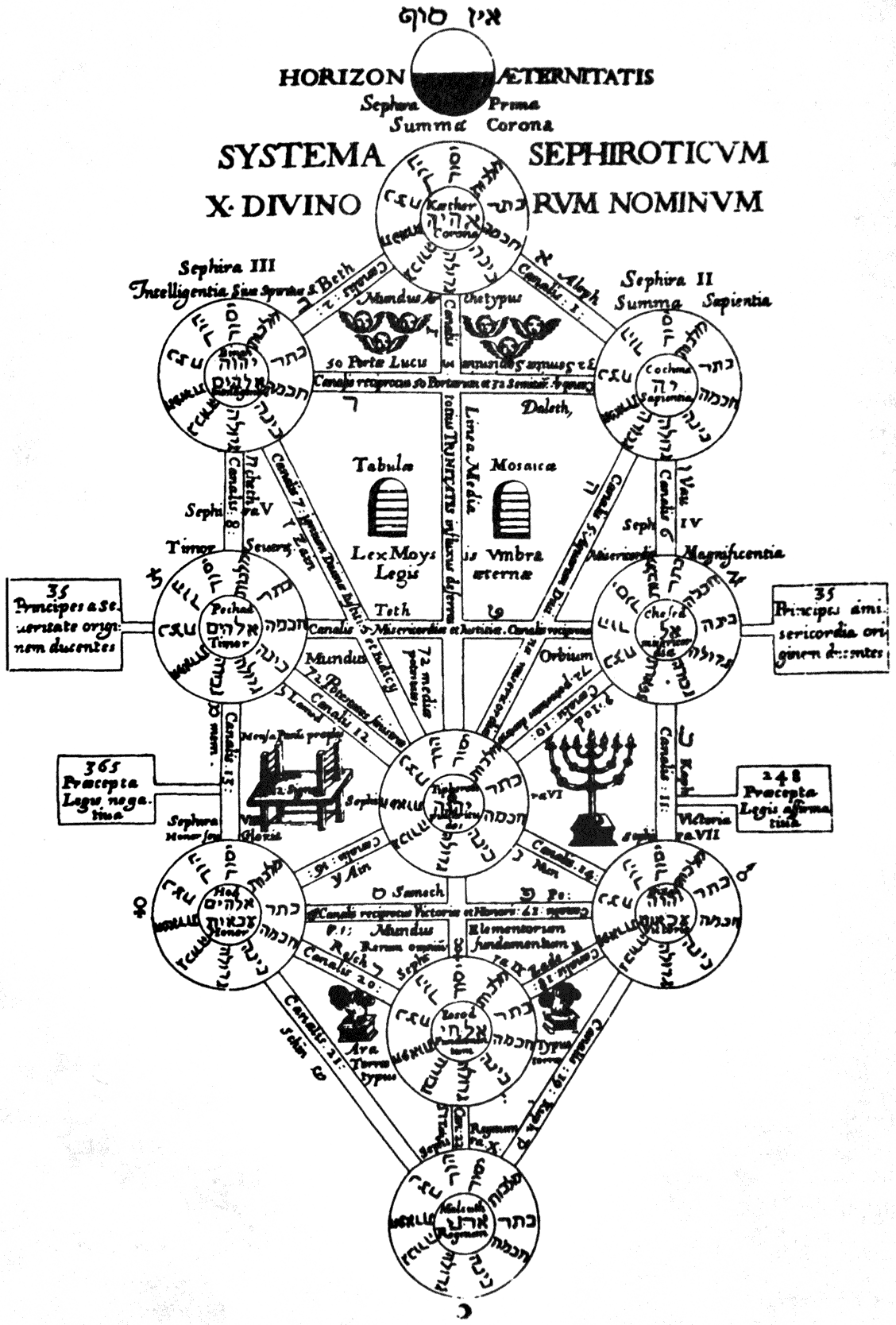
The Kabbalah Unveiled (S. L. MacGregor Mathers)
Containing the foundational translations and esoteric commentaries on the Book of Concealed Mystery, the Greater Holy Assembly, and the Lesser Holy Assembly from the Zohar.