Central to this hermetic lineage is a profound exploration of the intersections between spirit, mathematics, and the nature of reality. The concept of Forms, as representations of the essence of spirit, serves as a foundation for understanding the transformative power of alchemy. This idea is echoed in the mathematical systems employed by the Pythagoreans, particularly in the Aurelian Theory and the Pythagorean Theory of Numbers. Both theories utilize alphabetic letters to assign numeric values, creating a harmonious convergence of numbers and spirit.
Historical & Symbolic Context
Hippasus, a pivotal figure in the development of the Pythagorean Theory of Numbers, expanded the understanding and application of numbers within the Pythagorean community. His contributions not only enriched the existing system but also laid the groundwork for future mathematical explorations, ultimately leading to the discovery of irrational numbers. This evolution of thought highlights the dynamic nature of mathematical inquiry within this esoteric current.
Leibnitz, an 18th-century philosopher and mathematician, developed the theory of world atoms, which aligns with ancient Pythagorean teachings. His philosophy led to the theory of monads, the basic units of reality in his system, demonstrating a clear influence of Pythagorean thought on his work. The connection between Leibnitz and the Pythagorean Theory of Numbers reveals a direct lineage of ideas, with Leibnitz's atomic theory evolving from the Pythagorean system.
The relationships between these concepts and figures reveal a profound synthesis of philosophical and mathematical ideas. The use of numerical values assigned to letters of an alphabet, as seen in both the Aurelian Theory and the Pythagorean Theory of Numbers, demonstrates a shared approach to understanding the nature of reality. This convergence of ideas highlights the esoteric foundations of this hermetic lineage, where the realms of spirit, mathematics, and reality are inextricably linked.
The esoteric data points within this esoteric current reveal a rich body of thought that weaves together the realms of spirit, mathematics, and the nature of reality. Through the lens of Forms, Aurelian Theory, Pythagorean Theory of Numbers, Hippasus, and Leibnitz, we gain insight into a profound synthesis of philosophical and mathematical ideas that underlie the community's understanding of the world.
Bibliographia & Fontes
Primary Source Books Used in This Article
The doctrines, historical citations, and symbolic correspondences synthesized in this article are drawn from the following primary works and chapters:
- I.Manly P. Hall, The Secret Teachings of All Ages1928
An Encyclopedic Outline of Masonic, Hermetic, Qabbalistic and Rosicrucian Symbolical Philosophy
Chapters / Sections Consulted:Ch. “Pythagorean Mathematics” · Ch. “Introduction to Symbolical Philosophy”
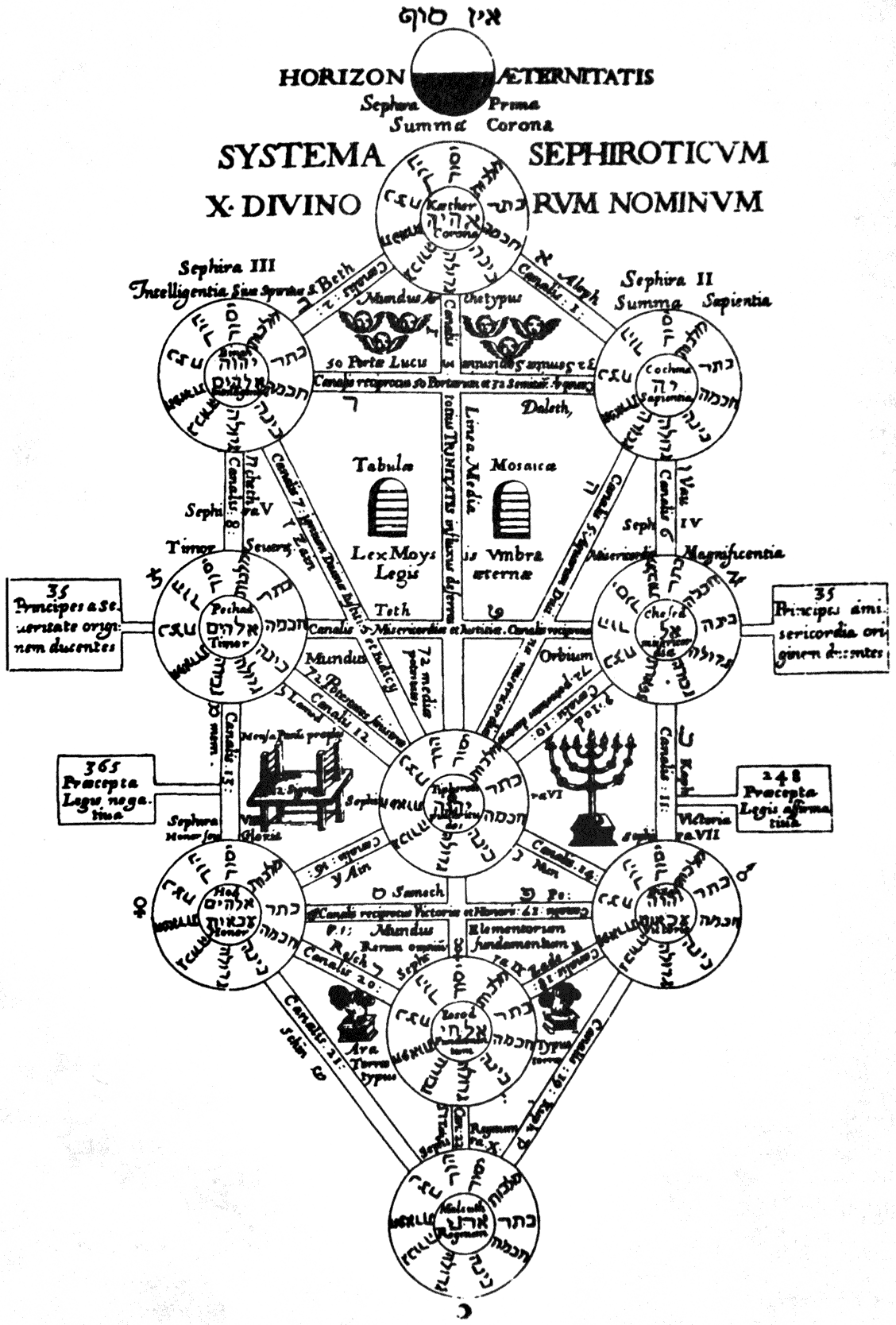
The Kabbalah Unveiled (S. L. MacGregor Mathers)
Containing the foundational translations and esoteric commentaries on the Book of Concealed Mystery, the Greater Holy Assembly, and the Lesser Holy Assembly from the Zohar.