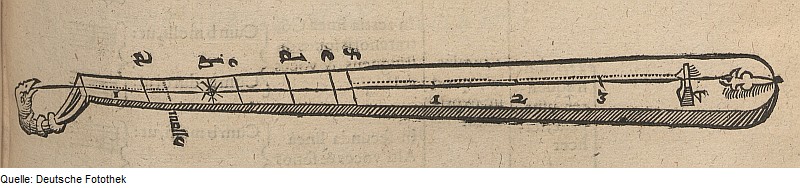
In the study of the philosophical contributions of three Pre-Socratic thinkers, Democritus, Archytas, and Leucippus, who collectively laid the groundwork for the atomic theory. By examining their individual philosophies and relationships, we gain insight into the evolution of this fundamental concept, which would later influence the development of natural sciences. This synthesis reveals the sympathy of their ideas, highlighting the significance of their collective contributions to the understanding of the atomic structure of the universe.
The Atomic Theory
The atomic theory, as proposed by Democritus, posits that atoms are the fundamental constituents of the universe, existing in an infinite nature and interacting with the vacuum to form diverse substances. This concept is rooted in the idea that atoms are indivisible and eternal, combining with the vacuum to create the complex structures we observe in the world. Democritus's philosophy further intertwined the material and mental realms by suggesting that the soul and mind are composed of atoms.
Leucippus, a precursor to Democritus, also proposed an atomic theory, believing the universe to consist of atoms and a vacuum. Although the specifics of his theory are not as detailed as Democritus', his ideas laid the groundwork for the development of the atomic theory. The connection between Leucippus and Democritus is evident, as Democritus further developed the atomic theory proposed by Leucippus.
Archytas, a philosopher and mathematician, shared similarities with Leucippus in their atomic theories. While the details of Archytas' philosophy are not as extensively documented, his contributions to the development of the screw and crane mechanisms demonstrate his understanding of the intricate structure of matter. The relationship between Leucippus and Archytas highlights the collaborative nature of philosophical inquiry, where ideas are built upon and refined through dialogue and debate.
The synthesis of these three philosophers reveals a cohesive and progressive development of the atomic theory. From Leucippus' initial proposal to Democritus' comprehensive theory, and with Archytas' contributions to the understanding of matter, we witness a profound understanding of the universe's fundamental structure. Their collective efforts laid the foundation for subsequent philosophers to examine the intricate structure of atoms and their myriad formations, shaping early Greek philosophical thought and laying foundational concepts in the natural sciences.
Bibliographia & Fontes
Primary Source Books Used in This Article
The doctrines, historical citations, and symbolic correspondences synthesized in this article are drawn from the following primary works and chapters:
- I.Manly P. Hall, The Secret Teachings of All Ages1928
An Encyclopedic Outline of Masonic, Hermetic, Qabbalistic and Rosicrucian Symbolical Philosophy
Chapters / Sections Consulted:Ch. “Introduction to Symbolical Philosophy”
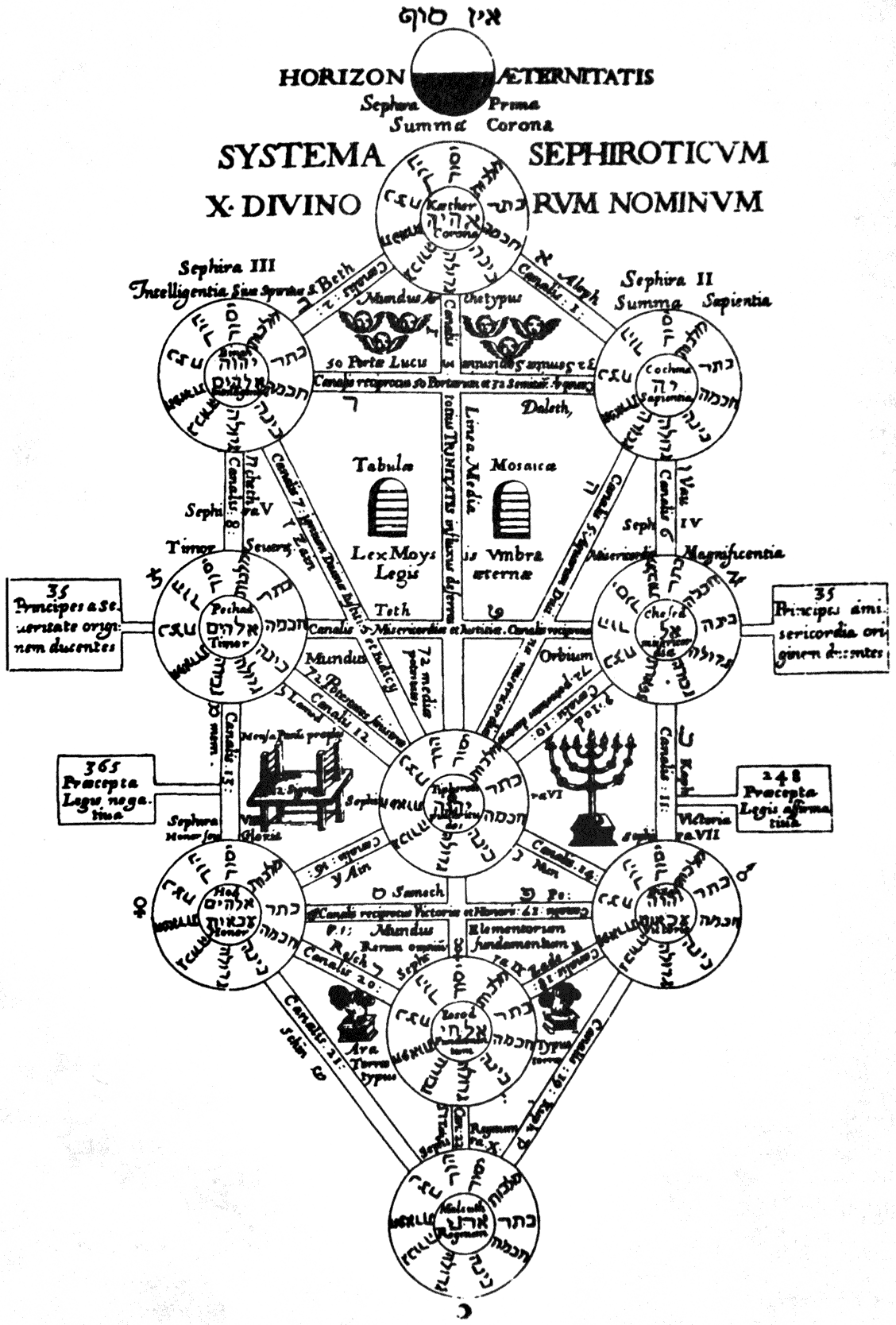
The Kabbalah Unveiled (S. L. MacGregor Mathers)
Containing the foundational translations and esoteric commentaries on the Book of Concealed Mystery, the Greater Holy Assembly, and the Lesser Holy Assembly from the Zohar.