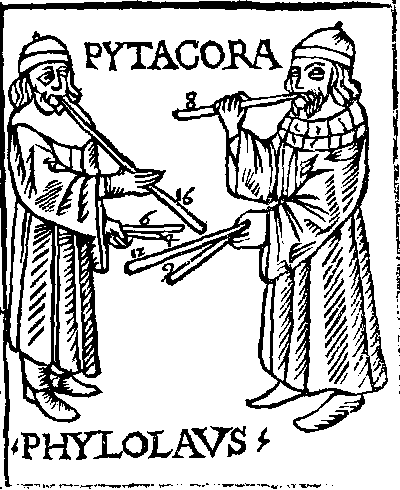
In the study of the esoteric realm of this hermetic lineage, where the intersections of Greek mythology, Freemasonry, and cabalistic traditions reveal a profound philosophical architecture. By examining the sympathies among these principles such as Dionysus, Adam Kadmon, Masonic secrets, and the Cabalistic triad, we will uncover the underlying principles guiding the construction of the human soul and the pursuit of spiritual perfection.
The Cosmic Deity and the Microcosm
The figure of Dionysus, as a Greek god, is often associated with the Dionysiac Architects, emphasizing his role in the construction of buildings for dramatic performances. However, when considered in the context of immaculate conceptions, Dionysus's established role as a deity is not supported. Instead, his comparison to the cosmic deity highlights his significance in Greek mythology. This dichotomy is reflective of the dual nature of Dionysus, also seen in his comparison to the lesser man depicted in Cesariano's edition of Vitruvius.
In contrast, Adam Kadmon represents the microcosmic aspect of the universe, embodying the Heavenly man. As the second person in the Cabalistic triad, Adam Kadmon is equivalent to the Greek Hermes and the Christ of Christian Gnostics, according to Plato's soul of the world (Logos). This equivalence demonstrates the unity of different spiritual traditions in their pursuit of understanding the human soul.
The Craftsmanship of the Human Soul
Masonic craftsmanship, both literal and symbolic, is essential to the construction of the Temple and the human soul. This philosophical approach to beauty, symmetry, and proportion seeks to create a perfect man through the application of Masonic secrets and principles. The loss of true esoteric keys to these secrets, however, is symbolized by the Rubbish of Freemasonic Secrets, highlighting the complexity and depth of original Masonic teachings.
The relationship between Masonic secrets and craftsmanship is one of mutual reinforcement, with secrets informing the symbolic practices and rituals associated with craftsmanship. Similarly, the Cabalistic triad provides the philosophical and symbolic foundation for Masonic craftsmanship, linking the microcosm, macrocosm, and the construction of spiritual and physical structures.
The Pursuit of Spiritual Perfection
The goal of Freemasonry is to create a perfect man through the philosophical approach to measure and estimate the parts and proportions of the microcosm. This pursuit is reflected in the High Priest of Israel, symbolized by the Robe of Glory, Yellow Robe, and Robe of Blue and Gold, which represents the integration of different aspects of spiritual and religious knowledge in the tradition.
The relationships between the entities in the Dionysus tradition reveal a profound philosophical architecture guiding the construction of the human soul. The intersections of Greek mythology, Freemasonry, and cabalistic traditions demonstrate the unity of different spiritual traditions in their pursuit of understanding the human soul and the pursuit of spiritual perfection. The esoteric architecture of the human soul is revealed to be a complex and manifold structure, informed by the principles of beauty, symmetry, and proportion.
Bibliographia & Fontes
Primary Source Books Used in This Article
The doctrines, historical citations, and symbolic correspondences synthesized in this article are drawn from the following primary works and chapters:
- I.Manly P. Hall, The Secret Teachings of All Ages1928
An Encyclopedic Outline of Masonic, Hermetic, Qabbalistic and Rosicrucian Symbolical Philosophy
Chapters / Sections Consulted:Ch. “Freemasonic Symbolism”
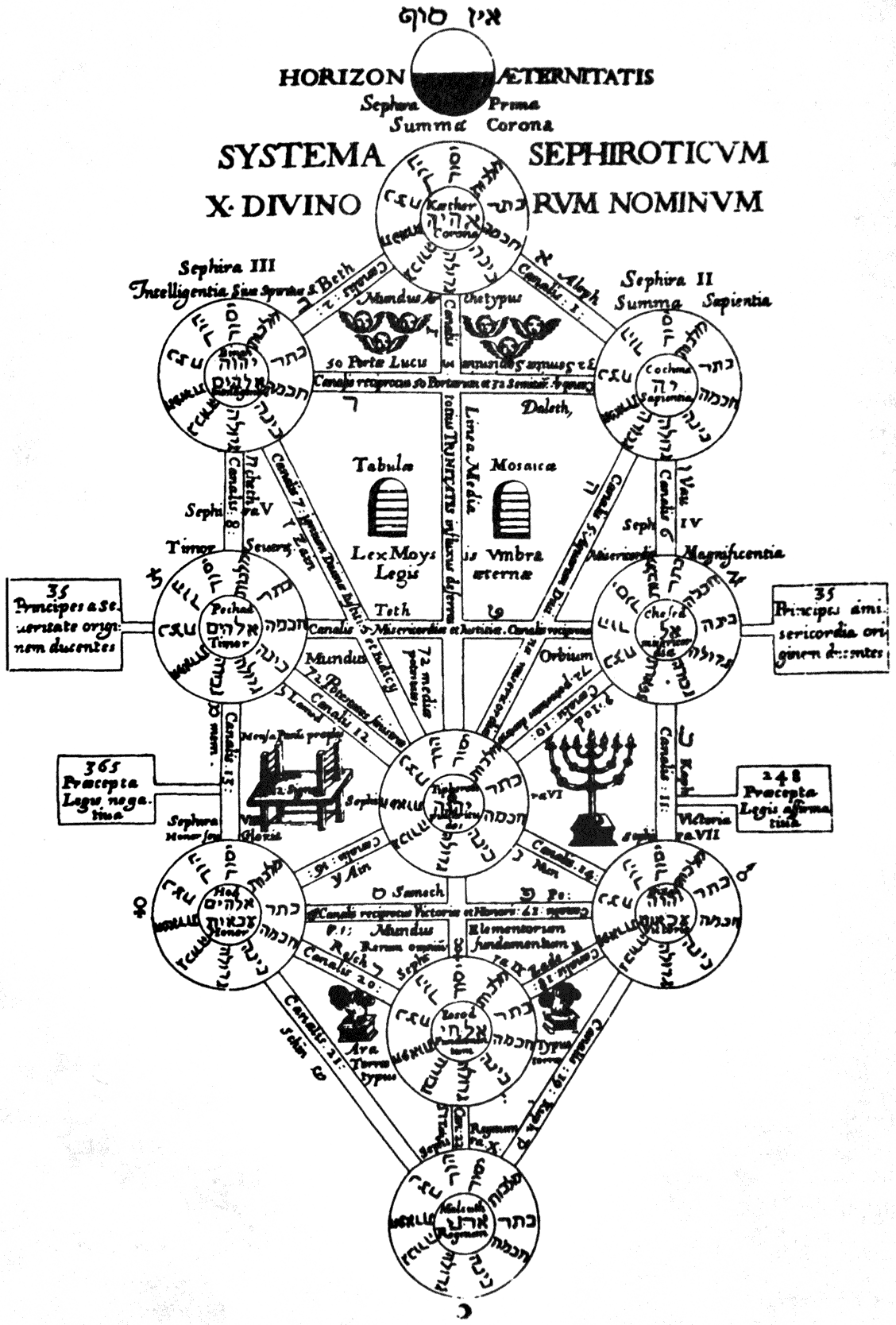
The Kabbalah Unveiled (S. L. MacGregor Mathers)
Containing the foundational translations and esoteric commentaries on the Book of Concealed Mystery, the Greater Holy Assembly, and the Lesser Holy Assembly from the Zohar.