The principles and correspondences within this esoteric current present an intricate system of suffering, coercion, and the consequences of unchecked emotions. Through a detailed analysis of the relationships between the Phantom of Coligny, the Wandering Jew, the Learning Man, and his wife, we will uncover a rich narrative of human frailty and the importance of self-awareness.
The Phantom of Coligny: A Symbol of Past Torment
The Phantom of Coligny, representing the memory or spirit of Admiral Coligny, serves as a poignant reminder of the enduring impact of past events on the present. Its presence in the monarch's dying thoughts demonstrates the idea that our experiences, both joyous and traumatic, shape us in profound ways. This entity embodies the notion that our memories, though intangible, can exert a profound influence on our lives and the lives of those around us.
The Wandering Jew: A Cautionary Tale of Coercion
The legend of the Wandering Jew, a wise man condemned to roam the earth for eternity, serves as a stark warning against the dangers of coercion and the forced imposition of one's will upon others. This entity highlights the consequences of ignoring the counsel of those who possess wisdom and the importance of respecting the autonomy of others. The Wandering Jew's fate is inextricably linked to that of the Learning Man, demonstrating the idea that our actions have far-reaching consequences that can affect not only ourselves but also those around us.
The Learning Man and His Wife: A Tragic Dance of Love and Jealousy
The relationship between the Learning Man and his wife is marked by a deep and abiding love, yet it is ultimately destroyed by the corrosive influence of jealousy. This tragic dynamic serves as a powerful reminder of the devastating consequences of allowing our emotions to govern our actions. The wife's decision to leave her husband and marry an old man sets in motion a chain of events that ultimately leads to her downfall, affirming the role of self-awareness and the need to acknowledge the destructive potential of our own emotions.
The Nation: A Collective Entity Bound by Guilt and Responsibility
The nation, as a collective entity, bears responsibility for the actions of its individual members. The nation's role in forcing the wise man to wander serves as a powerful reminder of the importance of collective accountability and the need to acknowledge the consequences of our actions. The nation's guilt and responsibility are inextricably linked to the fate of the Learning Man and his wife, demonstrating the idea that our individual and collective actions have far-reaching consequences that can shape the lives of those around us.
Martyr: A Concept Recontextualized
The concept of martyr, typically associated with notions of sacrifice and noble suffering, is recontextualized within this esoteric current as a cautionary tale against the dangers of coercion and forced belief. This entity serves as a powerful reminder that true conviction and faith can never be imposed upon others, and that the use of coercion or manipulation to achieve these ends is ultimately doomed to fail.
Bibliographia & Fontes
Primary Source Books Used in This Article
The doctrines, historical citations, and symbolic correspondences synthesized in this article are drawn from the following primary works and chapters:
- I.Éliphas Lévi, Transcendental Magic: Its Doctrine and Ritual (Dogme et Rituel de la Haute Magie)1856 / 1896 trans.
Translated and Annotated by A. E. Waite
Chapters / Sections Consulted:Part II: The Ritual of Transcendental Magic
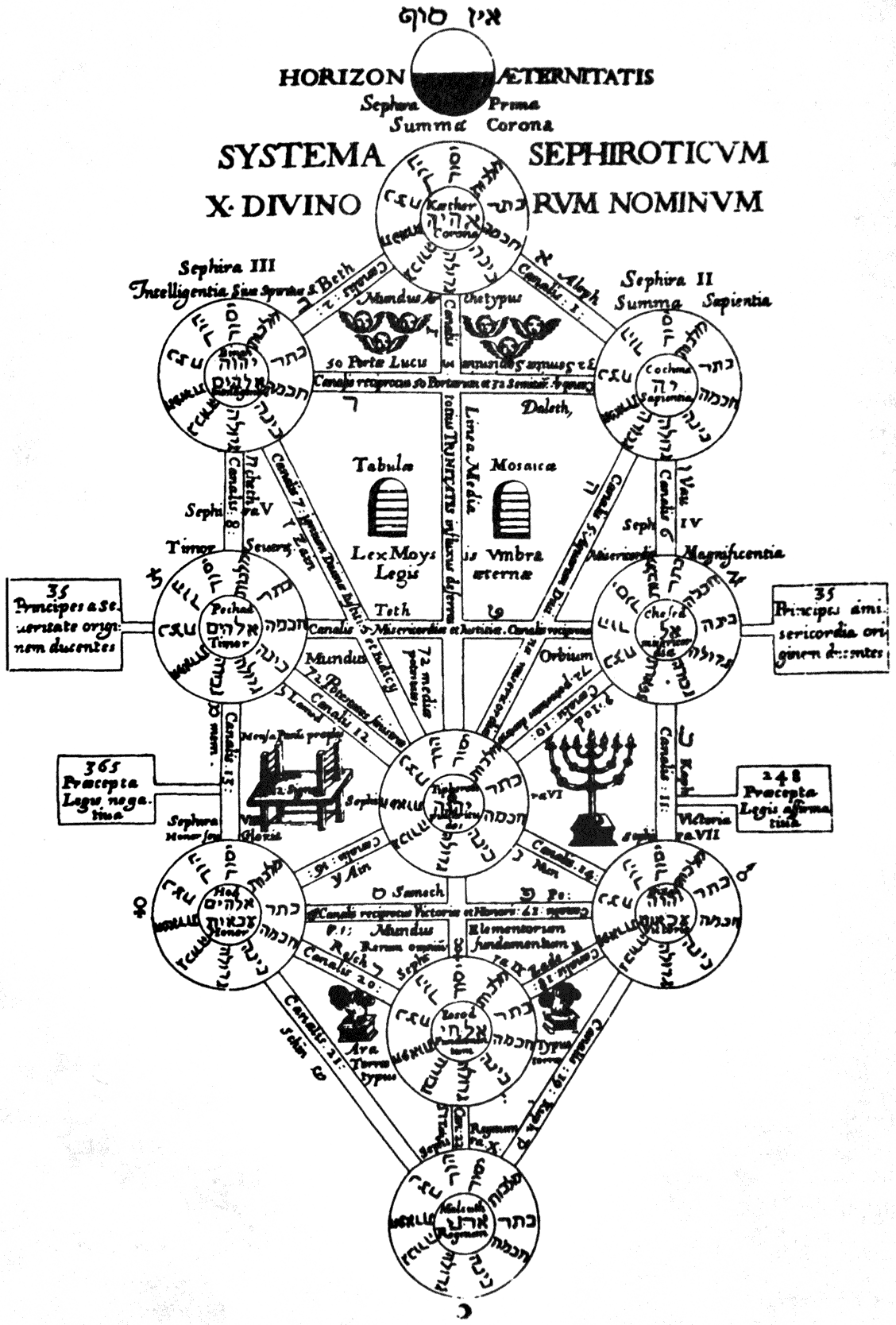
The Kabbalah Unveiled (S. L. MacGregor Mathers)
Containing the foundational translations and esoteric commentaries on the Book of Concealed Mystery, the Greater Holy Assembly, and the Lesser Holy Assembly from the Zohar.