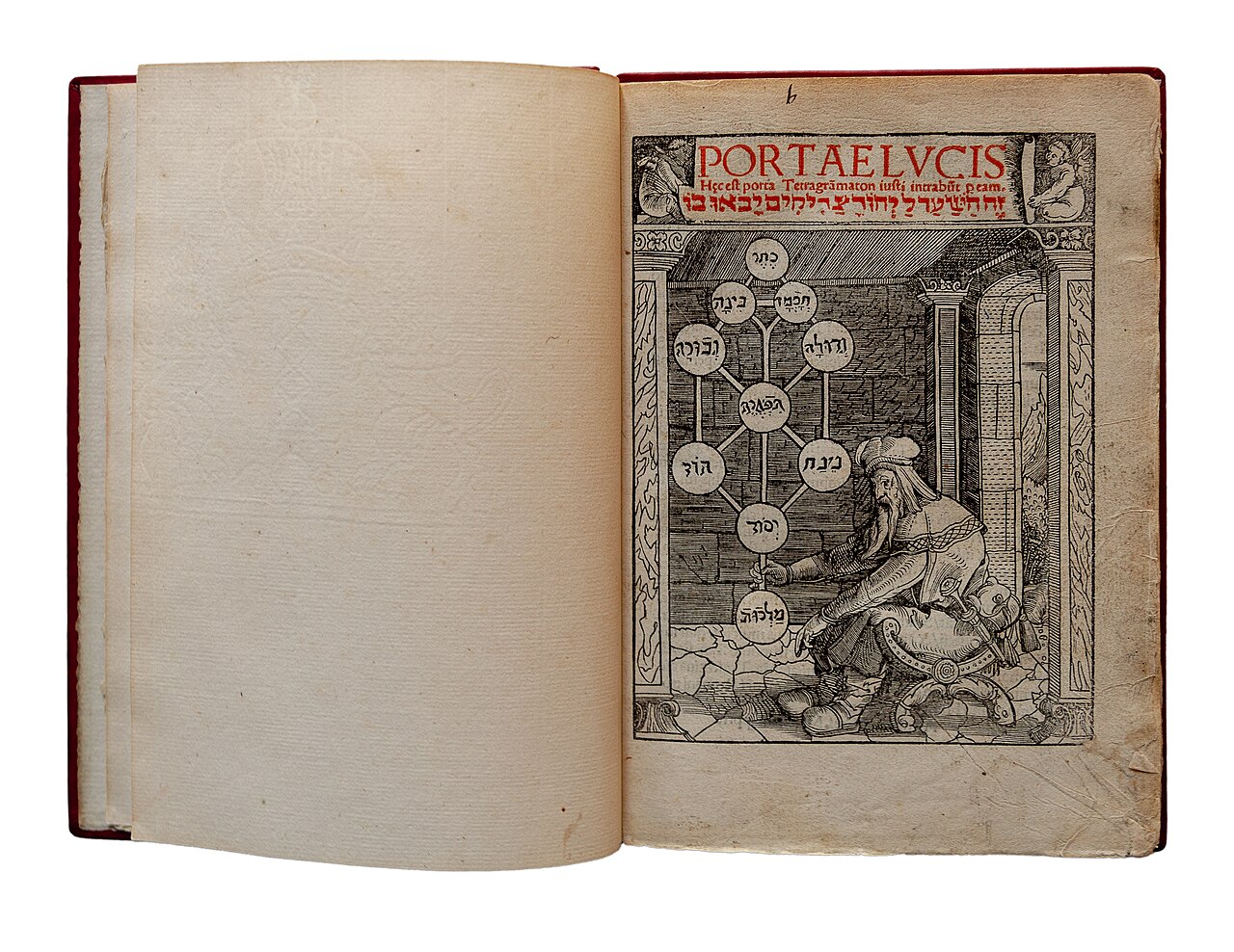
The doctrine of House Of The Hidden Places encompasses esoteric concepts and relationships that, upon closer examination, reveal a profound philosophical framework. Through a detailed analysis of TARO, the Divine Name, the House of the Hidden Places, the Master of the Hidden House, and the House of God, we will uncover the underlying philosophical currents that animate this tradition.
Spiritual Guidance and Enlightenment
Central to this hermetic lineage is the concept of TARO, a manifold entity that embodies both the path to enlightenment and the unfolding of the divine order. This dual representation is reflected in the Tarot card, Rota, which symbolizes Providence. TARO's association with the Divine Name, which incorporates the letters of TARO and Jod (representing divine fecundity), demonstrates the intricate relationship between spiritual journey and divine guidance. The Divine Name, inscribed on the wheel with TARO, serves as a powerful symbol of Providence, guiding individuals toward enlightenment.
The House of the Hidden Places, also known as the Great Pyramid, represents the inner sanctuary of pre-Egyptian wisdom and the repository for secret truths. This sacred site is inextricably linked to the Master of the Hidden House, the spiritual guide or symbol of hidden wisdom. The Master's association with the House of the Hidden Places reveals a deep connection between the teachings and practices of this mystical tradition. The Master's role in revealing the Divine Name to initiates reveals the place of spiritual guidance in unlocking the secrets of the Supreme Deity.
The relationships between the House of God, the House of the Hidden Places, and the Master of the Hidden House demonstrate a shared concern with spiritual lineage and teachings. The House of God, as an initiation site or temple, symbolizes spiritual enlightenment and transformation, demonstrating the community's emphasis on personal growth and self-realization.
Unveiling the Mysteries of the Divine
The Master of the Hidden House serves an essential office in disclosing the mysteries of the Divine Name, which is revealed to initiates as the secret designation of the Supreme Deity. This act of revelation demonstrates the significance of spiritual guidance in accessing higher states of consciousness and understanding. The Divine Name, as a sacred inscription, serves as a powerful tool for spiritual growth, offering a profound connection to the divine order.
The House Of The Hidden Places tradition presents a rich philosophical landscape that weaves together spiritual guidance, enlightenment, and the pursuit of hidden truths. Through the intricate relationships between TARO, the Divine Name, the House of the Hidden Places, the Master of the Hidden House, and the House of God, we gain insight into a profound system of spiritual growth and self-realization. This synthesis offers a deeper understanding of the community's underlying philosophical currents, revealing a complex and manifold exploration of the human condition.
Bibliographia & Fontes
Primary Source Books Used in This Article
The doctrines, historical citations, and symbolic correspondences synthesized in this article are drawn from the following primary works and chapters:
- I.Manly P. Hall, The Secret Teachings of All Ages1928
An Encyclopedic Outline of Masonic, Hermetic, Qabbalistic and Rosicrucian Symbolical Philosophy
Chapters / Sections Consulted:Ch. “The Initiation of the Pyramid” - II.Arthur Edward Waite, The Pictorial Key to the Tarot1910
Being Fragments of a Secret Tradition under the Veil of Divination
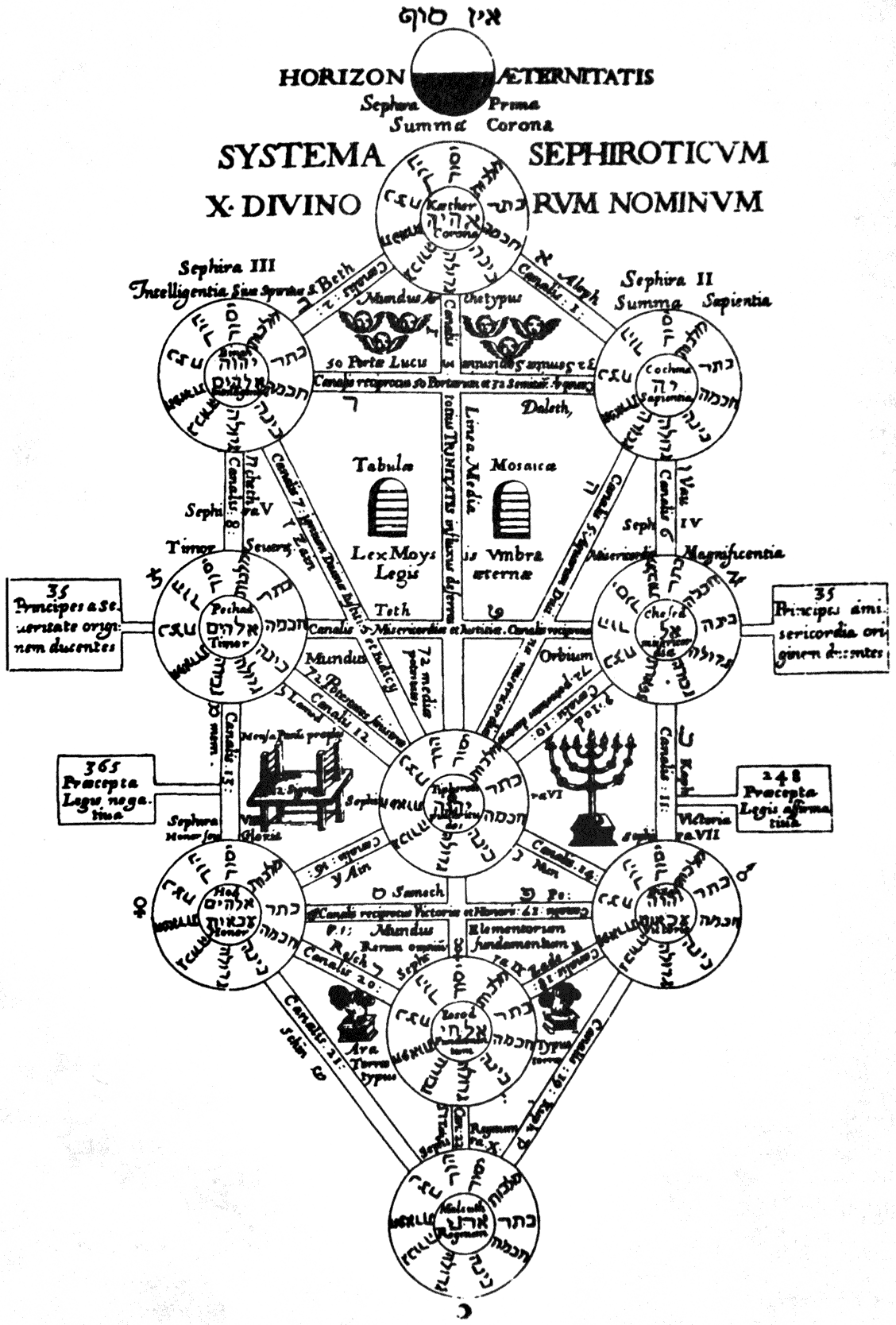
The Kabbalah Unveiled (S. L. MacGregor Mathers)
Containing the foundational translations and esoteric commentaries on the Book of Concealed Mystery, the Greater Holy Assembly, and the Lesser Holy Assembly from the Zohar.