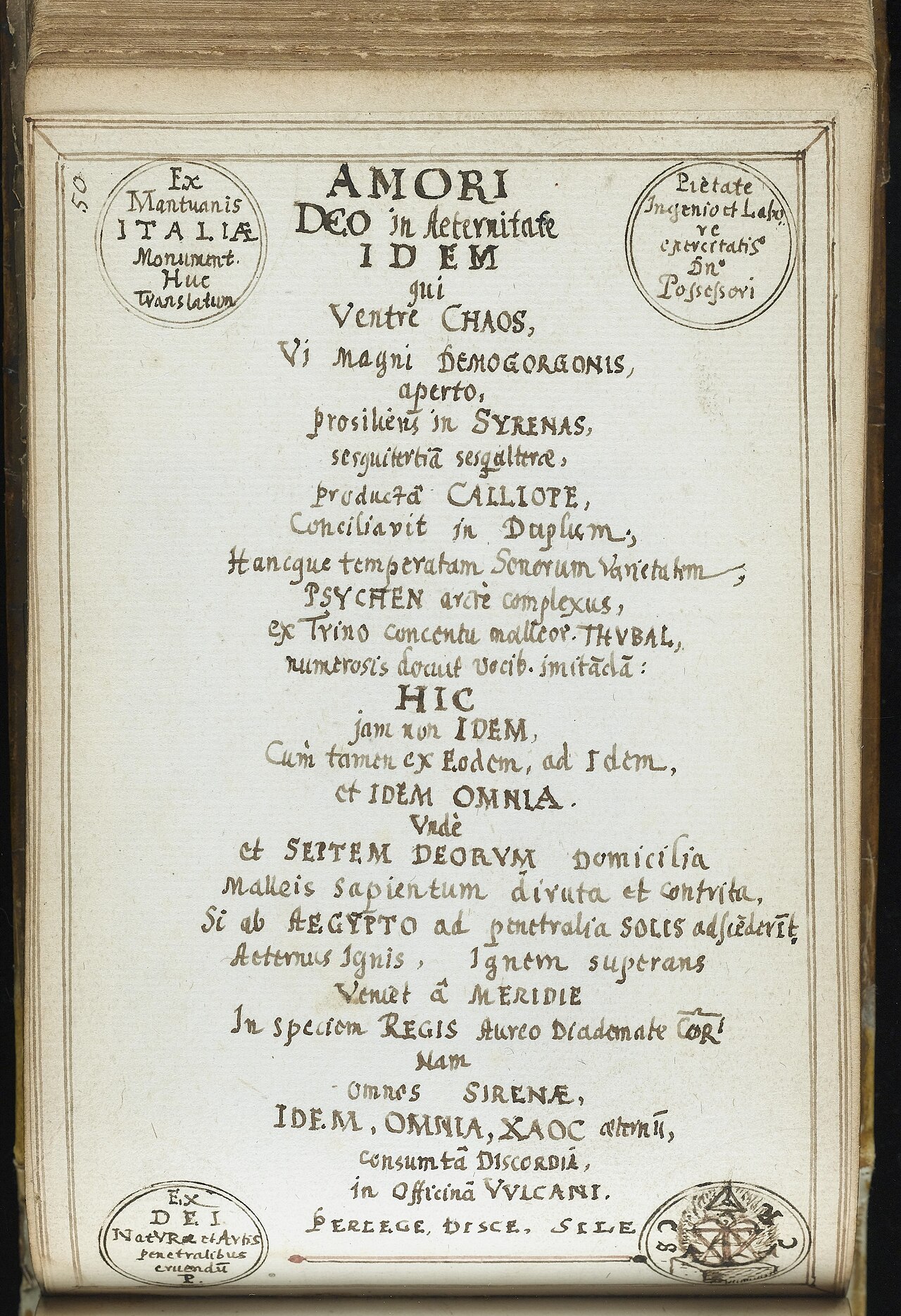
Pain, as a concept, is closely bound to the human experience, playing a paradoxical role in shaping individual growth and vitality. While it is often perceived as an inherent aspect of life, pain can also diminish sensibility and vitality when intensified or prolonged. This ambivalence is reflected in the relationships between pain and other entities within this esoteric current.
The Multifaceted Nature of Pain
The connection between pain and limbs highlights the symbolic and psychological dimensions of pain. The phenomenon of phantom limb pain, where individuals experience pain in the absence of a limb, affirms that pain is not solely a physiological occurrence but also a metaphysical or psychological experience. This blurs the lines between the physical and intangible realms, suggesting that pain can manifest in the absence of tangible causes.
Pain as a Unifying Thread
The relationships between pain and other entities within this esoteric current reveal a unifying thread that weaves together disparate concepts. The old merchant's ability to cure conditions such as rheumatic and gouty pains through insufflation illustrates the wide range of ailments that can be treated through various methods. This highlights the versatility of pain as a concept that can be addressed and alleviated through different means.
The connection between pain and silvering death demonstrates the significance of pain in the human experience, even in the most profound moments of transition. The process of silvering death, possibly imbued with spiritual significance, may involve pain as a transformative aspect of the human journey.
The Human Experience as a Tapestry of Suffering
The principles and correspondences within this esoteric current collectively form a philosophical tapestry that reveals the human experience as a web of suffering. Pain, as a manifold phenomenon, is woven throughout this tapestry, influencing both the physical and intangible aspects of human existence.
This synthesis reveals the place of acknowledging pain as a complex, manifold experience that cannot be reduced to solely physiological or psychological realms. By embracing the sympathy of suffering, we may gain a deeper understanding of the human experience and the various means through which we can address and alleviate pain. This philosophical exploration of pain and the human experience invites us to reconsider the nature of suffering and its role in shaping our individual and collective existences.
Bibliographia & Fontes
Primary Source Books Used in This Article
The doctrines, historical citations, and symbolic correspondences synthesized in this article are drawn from the following primary works and chapters:
- I.Éliphas Lévi, Transcendental Magic: Its Doctrine and Ritual (Dogme et Rituel de la Haute Magie)1856 / 1896 trans.
Translated and Annotated by A. E. Waite
Chapters / Sections Consulted:Part II: The Ritual of Transcendental Magic · Part I: The Doctrine of Transcendental Magic - II.Max Heindel, The Rosicrucian Mysteries: An Elementary Exposition of Their Secret Teachings1911
The Rosicrucian Fellowship
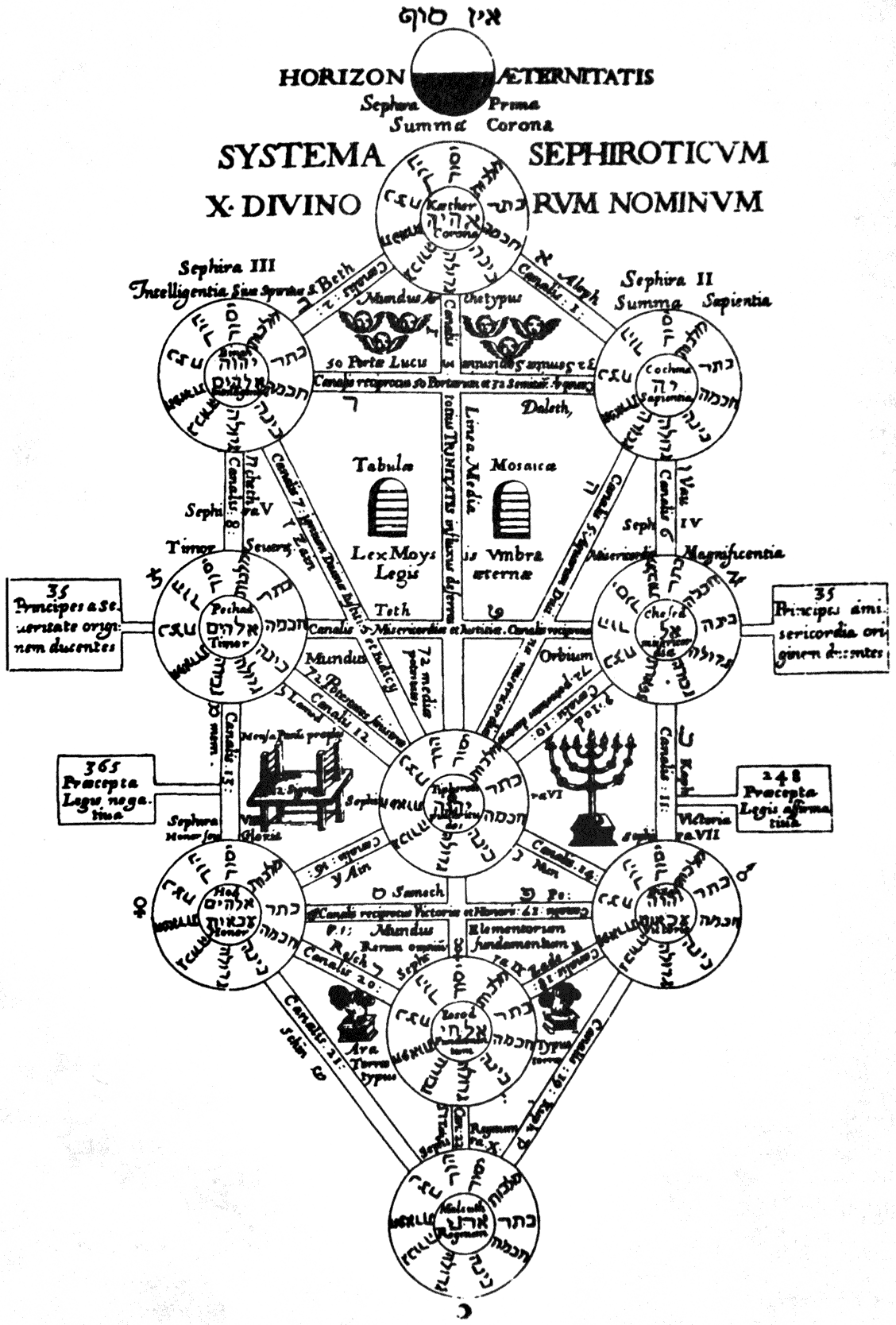
The Kabbalah Unveiled (S. L. MacGregor Mathers)
Containing the foundational translations and esoteric commentaries on the Book of Concealed Mystery, the Greater Holy Assembly, and the Lesser Holy Assembly from the Zohar.