The Isiac Table is a sacred piece of furniture used in religious worship, symbolizing the archetypal, intellectual, sidereal, and elemental planes of existence. This table is adorned with various triads of deities from different pantheons, including Mendesis, Ammon, Momphtai, Omphtae, Isis, Hecate, Ibimorphous, Nephtean, Serapæan, Osirian, Horæan, Pandochæan, Thaustic, and Æluristic forces. These deities are represented in a network of relationships, highlighting the correspondences between the divine and material worlds.
Historical & Symbolic Context
The Isiac Table serves as a microcosm of the divine and material worlds, illustrating the intricate relationships between various pantheons and forces. The table's structure, with its multiple triads of deities, represents the harmonization of diverse energies and principles. Each triad is associated with a specific pantheon or force, yet they are all interconnected, demonstrating the unity and coherence of the esoteric worldview.
The inclusion of various animals and composite forms on the border of the Isiac Table signifies the representation of elemental beings and archetypal spheres. These creatures embody the primal forces of nature, highlighting the interplay between the material and spiritual realms. The presence of birds, animals, and reptiles on the table's border serves as a reminder of the cyclical and interconnected nature of existence.
The Isiac Triad, specifically associated with Isis, holds a prominent position in the upper section of the table. Isis, as a symbol of feminine power and fertility, embodies the receptive and nurturing aspects of the divine. Her triad's placement on the table attests to the necessity of femininity and receptivity in the esoteric worldview.
The Hecatine Triad, associated with Hecate, is situated in the center of the table, reflecting the significance of this goddess in the esoteric pantheon. Hecate, as a symbol of magic and transformation, represents the dynamic and ever-changing nature of reality. Her triad's central placement emphasizes the importance of transformation and growth in the spiritual journey.
The various triads of deities on the Isiac Table, including the Ammonian, Momphtain, Ompthian, Ibimorphous, Nephtean, Serapæan, Osirian, Horæan, Pandochæan, Thaustic, and Æluristic triads, demonstrate the diversity and complexity of the esoteric worldview. Each triad represents a unique set of principles and energies, yet they are all interconnected, illustrating the unity and coherence of the divine.
The relationships between the Isiac Table and the various triads of deities highlight the importance of harmony and balance in the esoteric worldview. The table serves as a symbol of the sympathy of all things, demonstrating that each entity and force is part of a larger, unified whole.
The Isiac Table represents a profound synthesis of esoteric principles and correspondences, illustrating the unity and coherence of the divine and material worlds. The table's structure, with its multiple triads of deities and representation of elemental beings and archetypal spheres, serves as a powerful symbol of the sympathy of all things, affirming the role of harmony and balance in the spiritual journey.
Bibliographia & Fontes
Primary Source Books Used in This Article
The doctrines, historical citations, and symbolic correspondences synthesized in this article are drawn from the following primary works and chapters:
- I.Manly P. Hall, The Secret Teachings of All Ages1928
An Encyclopedic Outline of Masonic, Hermetic, Qabbalistic and Rosicrucian Symbolical Philosophy
Chapters / Sections Consulted:Ch. “The Bembine Table of Isis” - II.Franz Hartmann, In the Pronaos of the Temple of Wisdom / Philosophy of the Rosicrucians and Alchemists1890
Containing the History of the True and the False Rosicrucians and the Principles of Alchemy
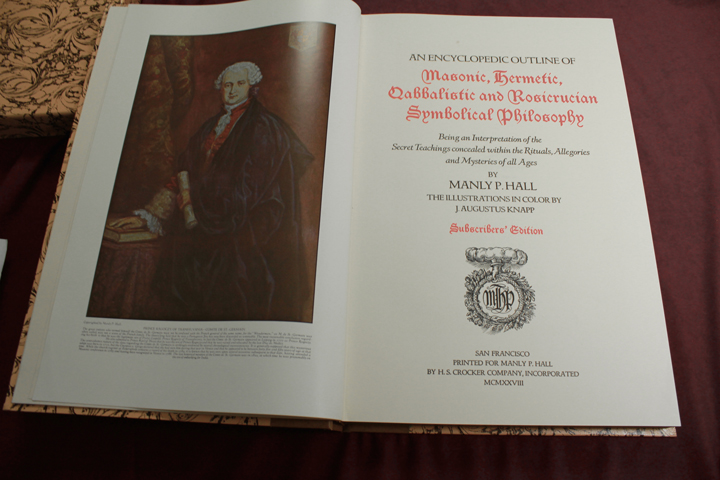
The Secret Teachings of All Ages (Manly P. Hall — Reader’s Edition)
An encyclopedic outline of Masonic, Hermetic, Qabbalistic, and Rosicrucian symbolical philosophy, detailing the rites of ancient mystery schools from Eleusis to the Rose Cross.