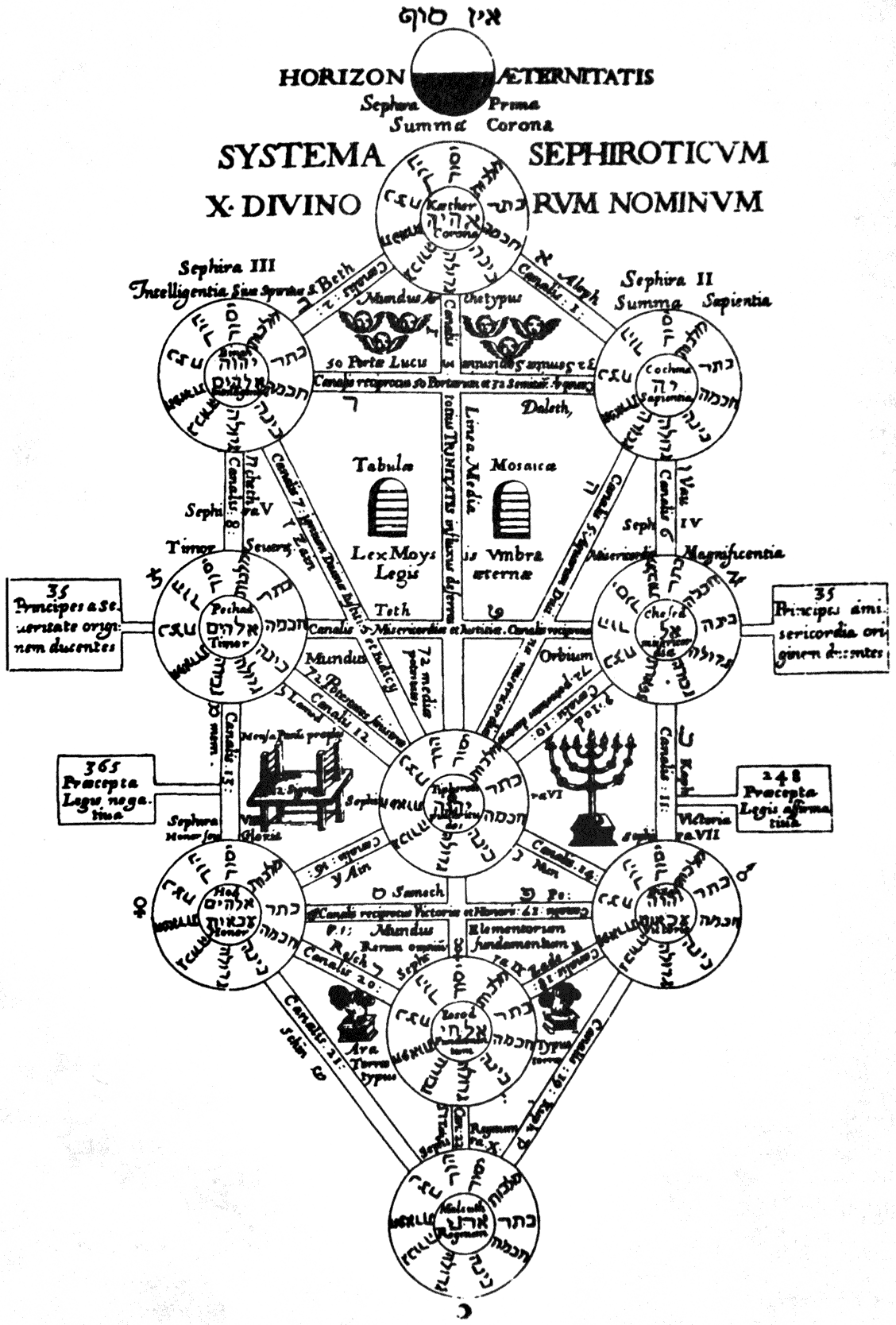
By examining the sympathy of entities such as Athanasius Kircher, the Zohar, and the Isiac Table, we uncover a rich body of symbolism, archetypal planes, and divine forces. This synthesis reveals the depth and complexity of Kabalistic traditions, highlighting the interplay between spiritual exploration, religious practice, and intellectual inquiry.
The Nexus of Kabalistic Knowledge and Esoteric Traditions
Central to this hermetic lineage is the confluence of Kabalistic studies and esoteric traditions. Athanasius Kircher, a prominent Jesuit scholar, played a significant role in summarizing and expanding upon the symbolism of the Isiac Table, a sacred piece of furniture used in religious worship. Kircher's engagement with Kabalistic studies, as reflected in his examination of the Zohar, a central text in Kabbalistic tradition, demonstrates the sympathy of these esoteric concepts.
The Isiac Table, adorned with various animals and composite forms, serves as a visual representation of the archetypal, intellectual, sidereal, and elemental planes of existence. This table is not merely a physical object but a gateway to understanding the interrelationships between the divine and material worlds. The triads of deities associated with Mendesis, Ammon, Momphtai, Omphtae, Isis, Hecate, Ibimorphous, Nephtean, Serapæan, Osirian, Horæan, Pandochæan, Thaustic, and Æluristic forces are all depicted on the Isiac Table, highlighting the complex web of divine forces at play.
The Interplay of Spiritual Exploration and Religious Practice
The Zohar, a renowned text in Kabbalistic tradition, examines the Mercavah, a visionary journey through the divine chariot, connecting this mysticism to traditional Jewish law and the written word. This comprehensive text serves as a primary source for understanding Kabbalah, offering insights that bridge spiritual exploration with religious practice. The Zohar's roots in both science and religion demonstrate the manifold nature of Kabalistic knowledge.
The Intellectual and Academic Pursuit of Esoteric Knowledge
Montfaucon, a French scholar and archaeologist, disputed Kircher's claim about the epitaph and the body of Tulliola, the daughter of Cicero. This intellectual debate highlights the academic rigor and pursuit of knowledge within this esoteric current. The relationships between Kircher and Montfaucon, as well as the traditional doctrines and concepts, demonstrate the importance of critical examination and intellectual inquiry in understanding esoteric knowledge.
Bibliographia & Fontes
Primary Source Books Used in This Article
The doctrines, historical citations, and symbolic correspondences synthesized in this article are drawn from the following primary works and chapters:
- I.Manly P. Hall, The Secret Teachings of All Ages1928
An Encyclopedic Outline of Masonic, Hermetic, Qabbalistic and Rosicrucian Symbolical Philosophy
Chapters / Sections Consulted:Ch. “The Bembine Table of Isis” · Ch. “Wonders of Antiquity” - II.Éliphas Lévi, Transcendental Magic: Its Doctrine and Ritual (Dogme et Rituel de la Haute Magie)1856 / 1896 trans.
Translated and Annotated by A. E. Waite
Chapters / Sections Consulted:Part I: The Doctrine of Transcendental Magic - III.Franz Hartmann, In the Pronaos of the Temple of Wisdom / Philosophy of the Rosicrucians and Alchemists1890
Containing the History of the True and the False Rosicrucians and the Principles of Alchemy
- IV.Moses de León / Shimon bar Yochai, Sefer ha-Zohar (The Book of Splendor)c. 1280
Classical Primary Source Referenced in Text
Further Inquiry in This Cycle
Companion Studies & Disputations
The Isiac Table
The Isiac Table is a sacred piece of furniture used in religious worship, symbolizing the archetypal, intellectual, sidereal, and elemental planes of…
Kircher & Zohar: The Kabalah
The intersection of esoteric knowledge and academic rigor is exemplified in the works of Athanasius Kircher, a Jesuit scholar who delved into the symbolism…
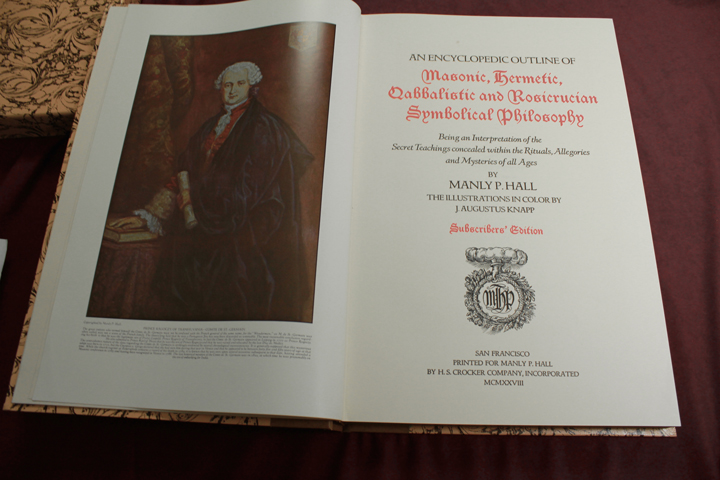
The Secret Teachings of All Ages (Manly P. Hall — Reader’s Edition)
An encyclopedic outline of Masonic, Hermetic, Qabbalistic, and Rosicrucian symbolical philosophy, detailing the rites of ancient mystery schools from Eleusis to the Rose Cross.