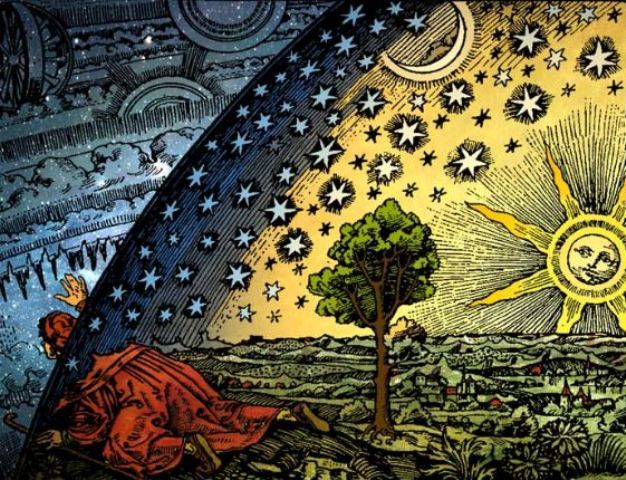
Through an examination of the relationships between Axiomata Hermetica, Art, and Self-Will, this analysis reveals the intricate harmony between art and nature, highlighting the role of art in augmenting and perfecting the natural world. The discussion also explores the necessity of transcending self-will to attain a higher state of being, demonstrating the importance of balance and unity in the pursuit of spiritual growth.
Historical & Symbolic Context
The Axiomata Hermetica, a compilation of 17 principles, forms the foundation of this philosophical inquiry. These principles, when examined in conjunction with the concepts of Art and Self-Will, reveal a profound harmony between the natural and artistic realms. The first principle, "Whatever may be accomplished by a simple method should not be attempted by a complicated one," sets the tone for the remainder of the analysis, emphasizing the importance of simplicity and unity in the pursuit of truth.
The relationship between Axiomata Hermetica and Art is manifold. Art is seen as a tool, mentioned throughout the principles, which can be employed to augment and perfect the natural world. This perspective is echoed in the concept of Art, which is intricately tied to music and intellect, reflecting a domain of human endeavor that emphasizes artistic ability and creative intelligence. The third principle, "Nature must be aided by art whenever she is deficient in power," further solidifies this connection, highlighting the role of art in complementing and enhancing the natural world.
However, this harmony is not without its challenges. The principle of Self-Will, which must cease for the divine will to enter the heart, serves as a reminder of the obstacles that must be overcome in the pursuit of spiritual growth. The ninth principle, "Metals cannot be changed into other metals without having been first reduced to prima materia," demonstrates the necessity of transcending self-will, allowing the individual to become "unsophisticated, like children, before the word of wisdom can speak in our mind."
The relationships between the Axiomata Hermetica principles themselves offer additional insights into the nature of reality and the human condition. The fifth principle, "Nature enjoys, comprehends, and overcomes nature," suggests that true knowledge can only be achieved through self-realization, while the sixth principle, "He who does not know motion does not know nature," reveals the place of understanding the dynamic interplay between the natural and artistic realms.
The remaining principles offer a rich body of philosophical and spiritual insights, from the importance of unity and balance (Principle 7) to the necessity of transformation and renewal (Principle 13). The final principle, "A pure womb gives birth to new forms," serves as a poignant reminder of the potential for growth and transformation that lies within each individual.
This analysis has unveiled the intricate harmony between art and nature, as reflected in the Axiomata Hermetica and its relationships with Art and Self-Will. Through an examination of these principles, we are reminded of the importance of simplicity, unity, and balance in the pursuit of spiritual growth, and the necessity of transcending self-will to attain a higher state of being. This synthesis offers a profound vision of the human condition, one in which art and nature are intertwined, and the individual is capable of achieving profound transformation and growth.
Bibliographia & Fontes
Primary Source Books Used in This Article
The doctrines, historical citations, and symbolic correspondences synthesized in this article are drawn from the following primary works and chapters:
- I.Franz Hartmann, In the Pronaos of the Temple of Wisdom / Philosophy of the Rosicrucians and Alchemists1890
Containing the History of the True and the False Rosicrucians and the Principles of Alchemy
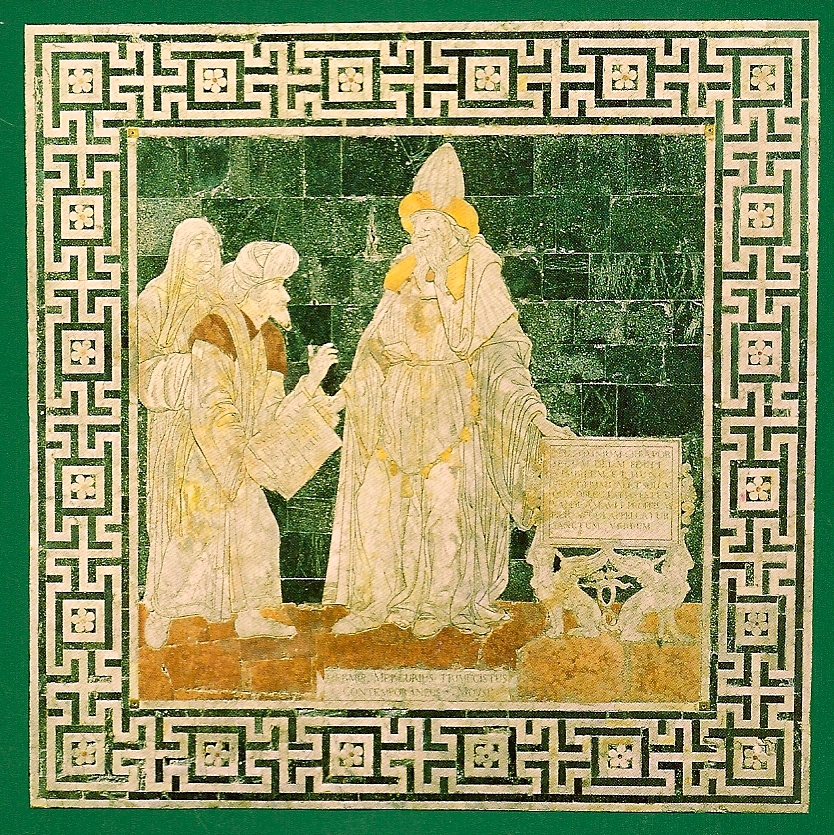
Corpus Hermeticum & Asclepius (Copenhaver Critical Edition)
The definitive scholarly translation of the Greek and Latin Hermetica attributed to Hermes Trismegistus, foundational to Renaissance Neoplatonism and Western esotericism.