The doctrine of Hypopneuma encompasses philosophers, their relationships, and their philosophical pursuits. By examining the lives, teachings, and relationships of key figures such as Crantor, Arcesilaus, Bion, Crates, and Theophrastus, among others, we gain insight into the evolution of philosophical thought, particularly within the Platonic, Cynic, and Stoic traditions. This synthesis highlights the interconnected pursuit of virtue and knowledge, demonstrating how these philosophers and their schools engaged with and influenced one another in their quest for wisdom.
The Pursuit of Virtue and Knowledge
Central to this hermetic lineage is the pursuit of virtue and knowledge. This pursuit is exemplified in the lives and teachings of the Cynic philosophers, such as Crates and Cranyus, who emphasized living in accordance with nature and embracing a simple, ascetic lifestyle. Their adherence to a minimalist diet, embodied by the concept of Hypopneuma, reflects the Cynics' core values of self-sufficiency and rejection of luxury and excess. This commitment to virtue and simplicity is also evident in the philosophical lineage of Antisthenes, who founded the Cynic school, and his pupils, including Cranyus and Metronikus.
The Platonic tradition, as represented by Arcesilaus and Carneades, also grapples with the pursuit of virtue and knowledge. Arcesilaus' establishment of the Middle Academy and his emphasis on skepticism demonstrate a nuanced approach to understanding the limits of knowledge. Carneades' continuation of this tradition, as seen in his founding of the New Academy, further solidifies the Platonic lineage's commitment to exploring the nature of reality and the human condition.
Theophrastus, a pupil of Aristotle, embodies the intellectual curiosity and rigor that characterized the Aristotelian tradition. His engagement with philosophical discussions on diet and lifestyle reflects the emphasis on practical wisdom and the pursuit of virtue that underpinned Aristotle's teachings. Theophrastus' own contributions to the development of philosophical thought, particularly within the domain of ethics, demonstrate the lasting impact of his mentor's legacy.
The relationships between these philosophers and their schools reveal a complex network of influence and exchange. Crantor's association with Speusippus and his potential influence as a cultural and philosophical intermediary between ancient Greek and Egyptian traditions highlights the dynamic nature of intellectual exchange in this tradition. Similarly, the connections between Hipparchus, Crates, and Metronikus demonstrate the shared concerns and values that united the Cynic philosophers.
The concept of Hypopneuma, or the simple diet preferred by Cynics, serves as a unifying thread throughout this tradition. Its appearance in the relationships between Hipparchus, Crates, Metronikus, and other philosophers demonstrates the significance of this aspect of Cynic philosophy. The emphasis on simple living and the rejection of luxury and excess is a recurring theme, one that transcends individual schools and traditions.
Bibliographia & Fontes
Primary Source Books Used in This Article
The doctrines, historical citations, and symbolic correspondences synthesized in this article are drawn from the following primary works and chapters:
- I.Manly P. Hall, The Secret Teachings of All Ages1928
An Encyclopedic Outline of Masonic, Hermetic, Qabbalistic and Rosicrucian Symbolical Philosophy
Chapters / Sections Consulted:Ch. “Introduction to Symbolical Philosophy”
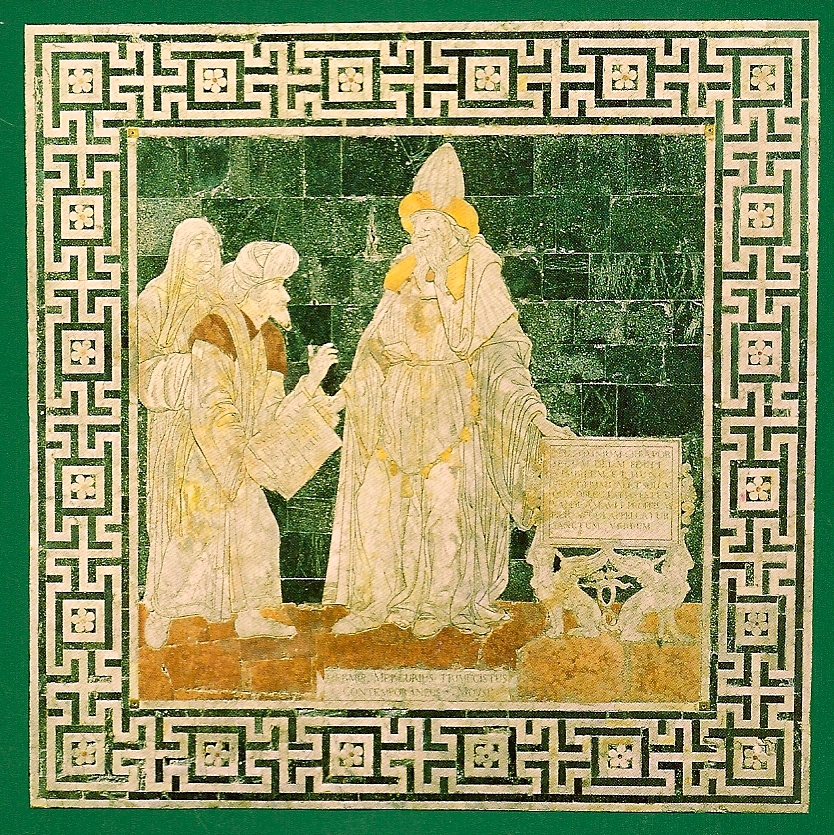
Corpus Hermeticum & Asclepius (Copenhaver Critical Edition)
The definitive scholarly translation of the Greek and Latin Hermetica attributed to Hermes Trismegistus, foundational to Renaissance Neoplatonism and Western esotericism.