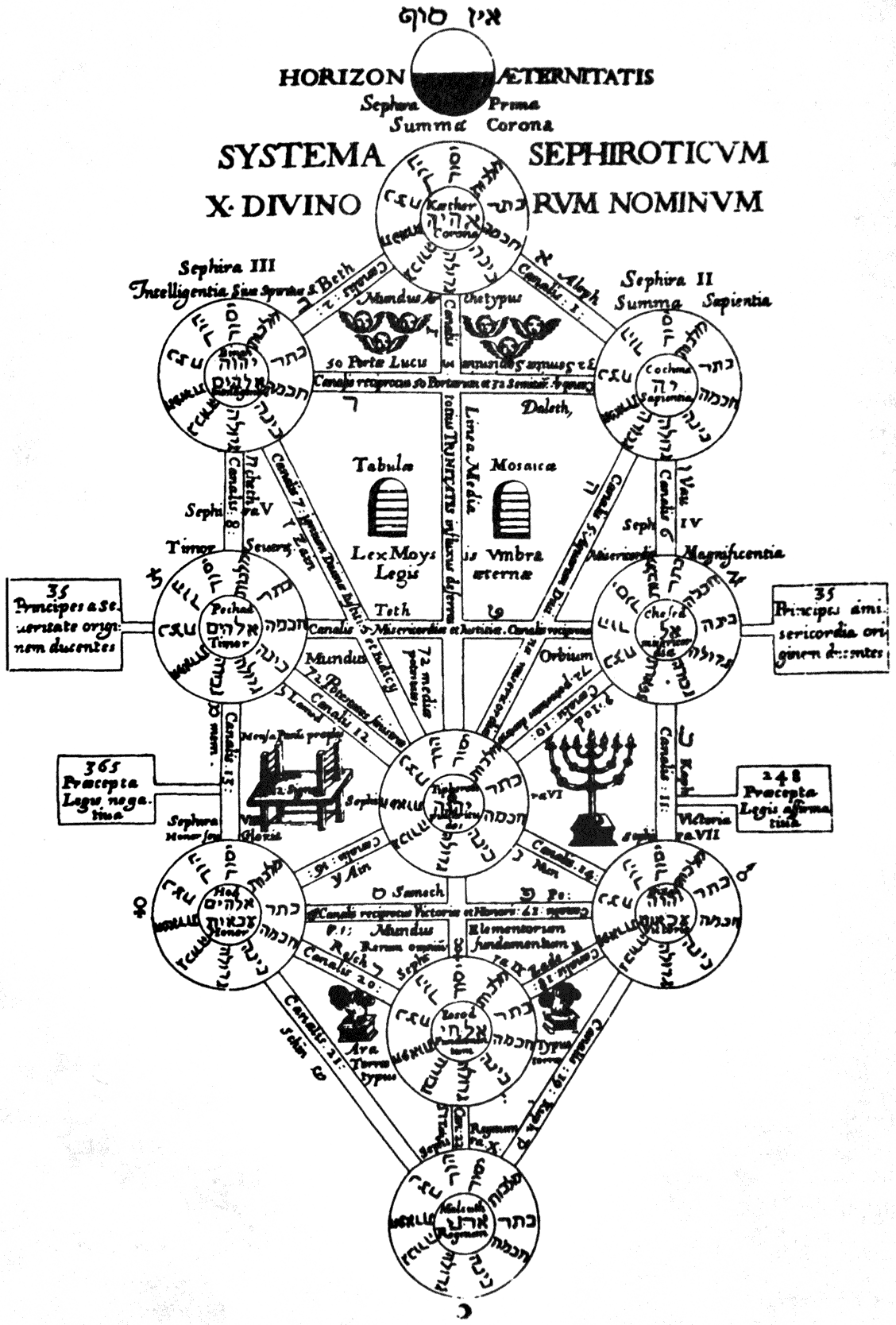
In the study of the philosophical intersection of Theological Explanations and The Zohar, a key text in Kabbalistic literature. The synthesis of modern theological interpretations and the Kabbalistic tradition of The Zohar provides a richer exploration of fundamental questions regarding divine and human origins.
The Duality of Human Origins
Theological Explanations and The Zohar represent two distinct philosophical lenses through which to examine the nature of humanity. Theological Explanations, rooted in modern interpretations, offer a contemporary understanding of human origins and the divine. Conversely, The Zohar, a major work of Kabbalistic literature, presents an alternate interpretation of Adam's role in creation, thereby providing a contrasting perspective to contemporary theological explanations.
Central to this philosophical intersection is the concept of duality. The Zohar distinguishes between the supernal and earthly aspects of the human soul, echoing the idea that humanity is composed of multiple, interconnected facets. This duality is similarly reflected in Theological Explanations, which grapple with the relationship between the divine and human spheres.
The juxtaposition of The Zohar and Theological Explanations fosters a richer exploration of human origins and the nature of humanity. By examining the contrasting perspectives offered by these two entities, we may gain a deeper understanding of the complexities surrounding human existence. The Zohar's Kabbalistic tradition provides a unique lens through which to examine the mystical and symbolic aspects of human nature, while Theological Explanations offer a more contemporary, rational approach to understanding human origins.
The synthesis of The Zohar and Theological Explanations reveals that the nature of humanity is manifold and complex. By acknowledging the duality of human existence, we may move towards a more nuanced understanding of our place within the world and the divine sphere. This synthesis serves as a testament to the value of interdisciplinary exploration, highlighting the richness that may be gleaned from the intersection of distinct philosophical traditions.
Bibliographia & Fontes
Primary Source Books Used in This Article
The doctrines, historical citations, and symbolic correspondences synthesized in this article are drawn from the following primary works and chapters:
- I.Manly P. Hall, The Secret Teachings of All Ages1928
An Encyclopedic Outline of Masonic, Hermetic, Qabbalistic and Rosicrucian Symbolical Philosophy
Chapters / Sections Consulted:Ch. “Qabbalistic Keys to the Creation of Man” - II.Moses de León / Shimon bar Yochai, Sefer ha-Zohar (The Book of Splendor)c. 1280
Classical Primary Source Referenced in Text
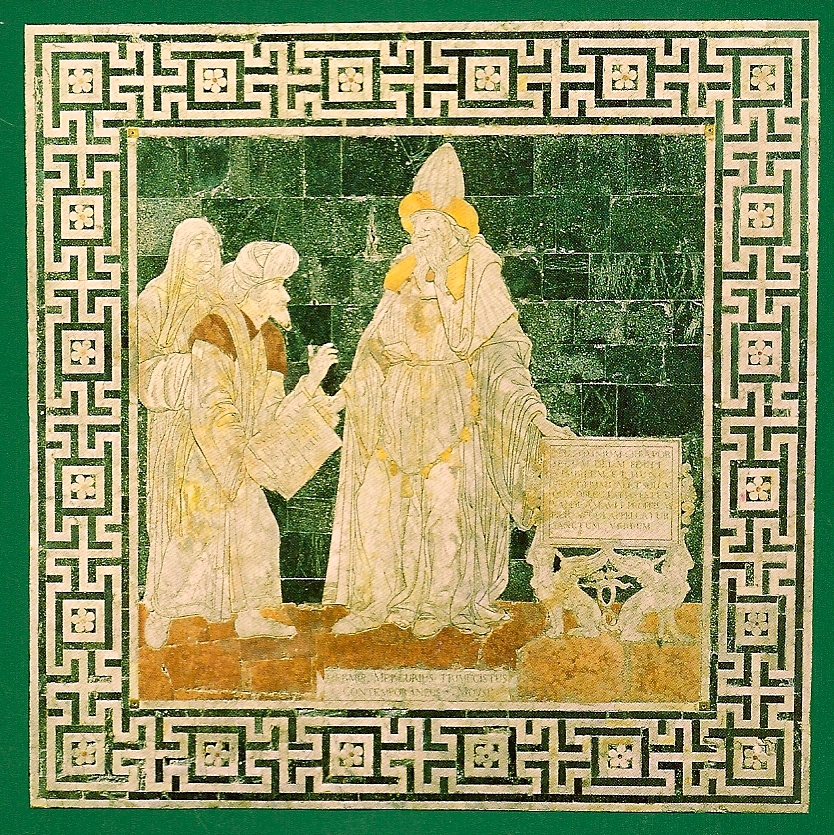
Corpus Hermeticum & Asclepius (Copenhaver Critical Edition)
The definitive scholarly translation of the Greek and Latin Hermetica attributed to Hermes Trismegistus, foundational to Renaissance Neoplatonism and Western esotericism.