The synthesis of these concepts reveals a rich body of thought, demonstrating the sympathy of mystical, philosophical, and theological ideas. By examining the sympathies among these principles such as mysticism, mystical philosophy, Neo-Platonism, and Christian theology, this essay aims to provide a comprehensive understanding of the complex interplay between these concepts.
The Mystical Framework
Mysticism, as represented by entities such as Kabalists, Kabalah, and Hermetic philosophy, constitutes a broad and comprehensive framework that integrates philosophical, spiritual, and metaphysical teachings. This framework primarily centers on exploring and understanding the transcendent aspects of reality that exist beyond the physical or material world. The mystical philosophy, in particular, examines theosophical speculations concerning the nature of Adam, the divine, and the creation of the world. By examining these topics, mystical philosophy aims to provide insights into the essence of existence and the relationship between the divine and humanity.
The Interplay between Mysticism and Philosophy
The relationships between mysticism and philosophy are manifold and complex. Neo-Platonism, for instance, provides interpretations of Adam and creation that parallel the ideas found in the Zohar and in the Critical Bible Encyclopædia. Philo Judæus, a Hellenistic Jewish philosopher, wrote extensively on the relationship between philosophy and Scripture, and his ideas are incorporated into the Critical Bible Encyclopedia. The intersection of mystical and philosophical thought is evident in the works of Neo-Platonists and Christian theologians, who explore the divine and human nature, providing a manifold understanding of biblical concepts.
Theological Explanations and Mystical Philosophy
Theological explanations, particularly those concerning modern interpretations, address similar fundamental questions regarding divine and human origins, albeit through distinct philosophical lenses. The Zohar, a key text in Kabbalistic tradition, presents an alternate interpretation of Adam's role in creation, thereby providing a contrasting perspective to contemporary theological explanations. The Critical Bible Encyclopædia provides scholarly explanations of modern theologians' interpretations of biblical concepts, including the nature of Adam and the creation story.
The Integration of Mystical and Mythological Traditions
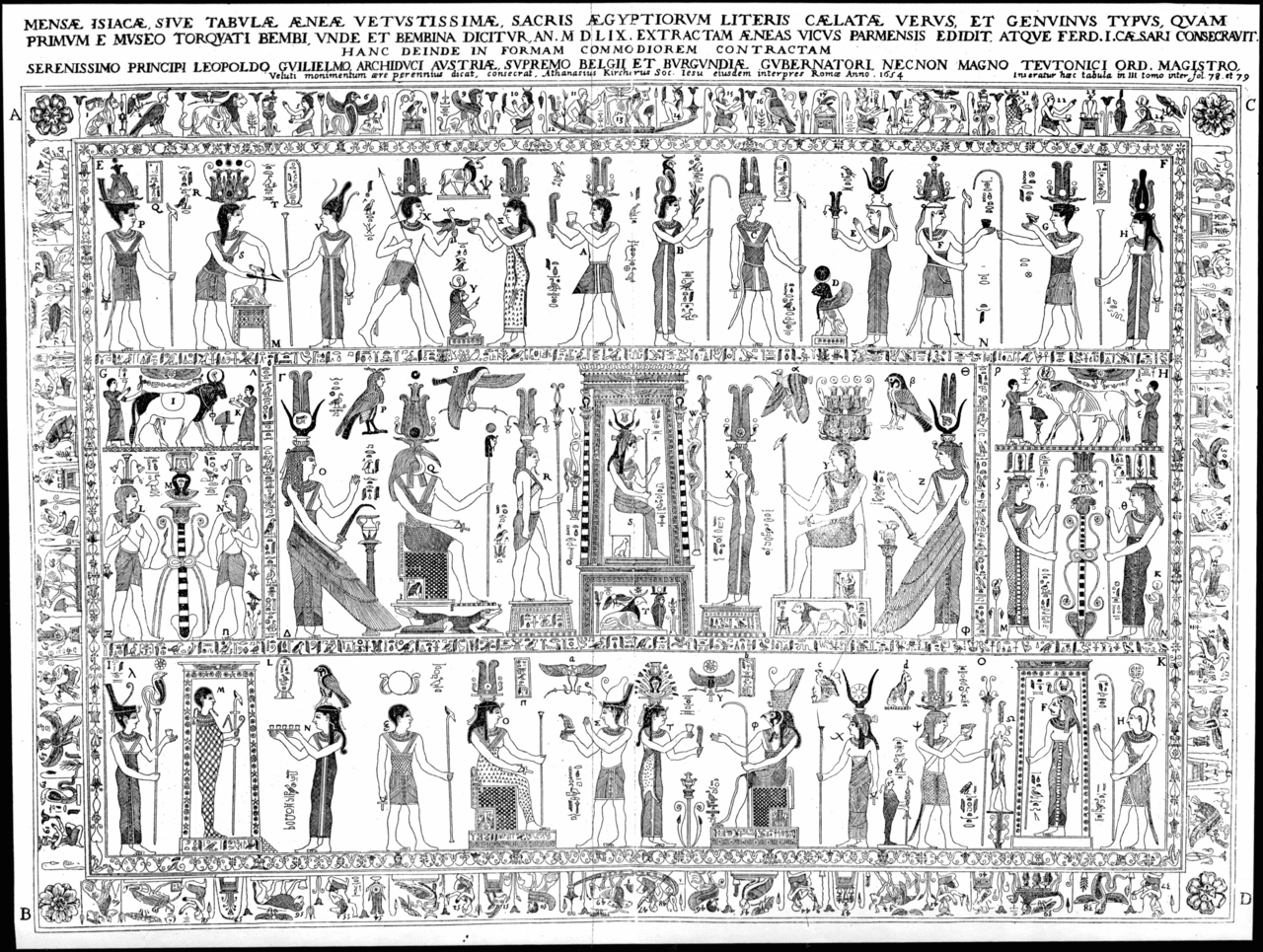
Mystical and mythological traditions both engage with the mythological aspects of human nature and the divine, reflecting a complex interplay between the divine and the natural. The Egyptian zodiac, as represented by Tentyra, embodies the principles and symbolism of mystical and esoteric practices, representing the divine order and the cosmic harmony that guide human belief and spirituality. The Mystical Order, closely associated with Tentyra, shares a profound connection to mystical and esoteric traditions, promoting the pursuit of divine and cosmic knowledge.
Bibliographia & Fontes
Primary Source Books Used in This Article
The doctrines, historical citations, and symbolic correspondences synthesized in this article are drawn from the following primary works and chapters:
- I.Manly P. Hall, The Secret Teachings of All Ages1928
An Encyclopedic Outline of Masonic, Hermetic, Qabbalistic and Rosicrucian Symbolical Philosophy
Chapters / Sections Consulted:Ch. “The Zodiac and Its Signs” · Ch. “Qabbalistic Keys to the Creation of Man” - II.Éliphas Lévi, Transcendental Magic: Its Doctrine and Ritual (Dogme et Rituel de la Haute Magie)1856 / 1896 trans.
Translated and Annotated by A. E. Waite
Chapters / Sections Consulted:Part I: The Doctrine of Transcendental Magic - III.Moses de León / Shimon bar Yochai, Sefer ha-Zohar (The Book of Splendor)c. 1280
Classical Primary Source Referenced in Text
Further Inquiry in This Cycle
Companion Studies & Disputations
The Esoteric Synthesis of Mystical Philosophy and Biblical Concepts
The mystical philosophy presented in the Critical Bible Encyclopedia tradition serves as a broad and comprehensive framework that examines theosophical…
The Intersections of Mysticism and Philosophy
By examining the connections between mysticism, Neo-Platonism, Philo Judæus, Qabalah, and Christian theology, we reveal a rich body of ideas that seek to…
Zohar: The Duality of Human Origins
This essay explores the philosophical intersection of Theological Explanations and The Zohar, a key text in Kabbalistic literature. By examining the…
Tentyra, Mystical Order & Cogl Nexus in Hermeticism
This essay examines the esoteric connections between the Mystical Order, an ancient secret society rooted in Freemasonry, and the Tentyra, an ancient…
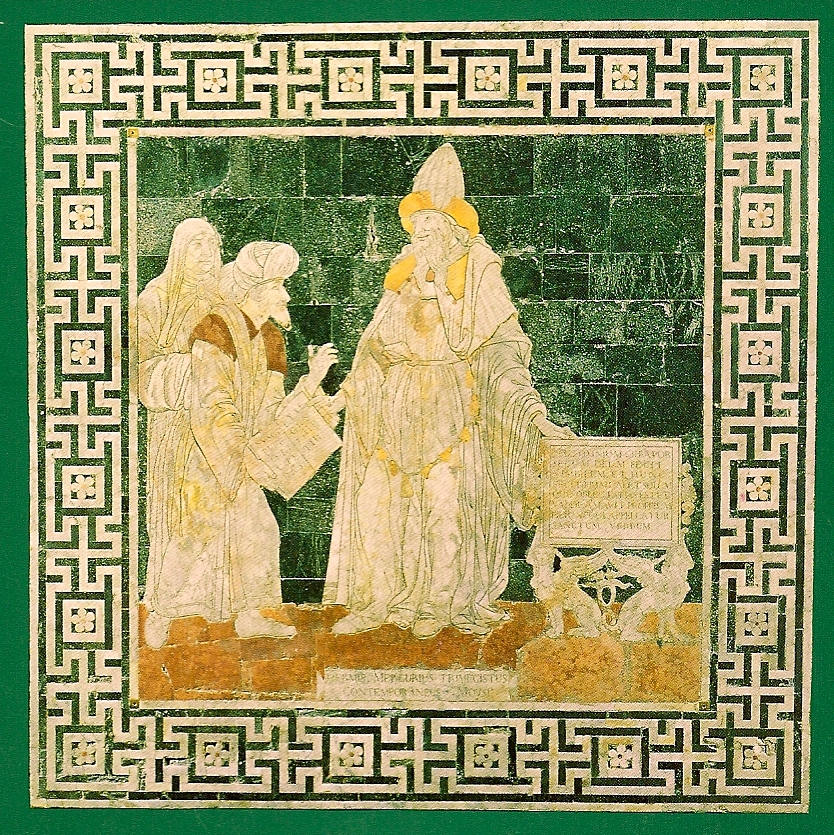
Corpus Hermeticum & Asclepius (Copenhaver Critical Edition)
The definitive scholarly translation of the Greek and Latin Hermetica attributed to Hermes Trismegistus, foundational to Renaissance Neoplatonism and Western esotericism.