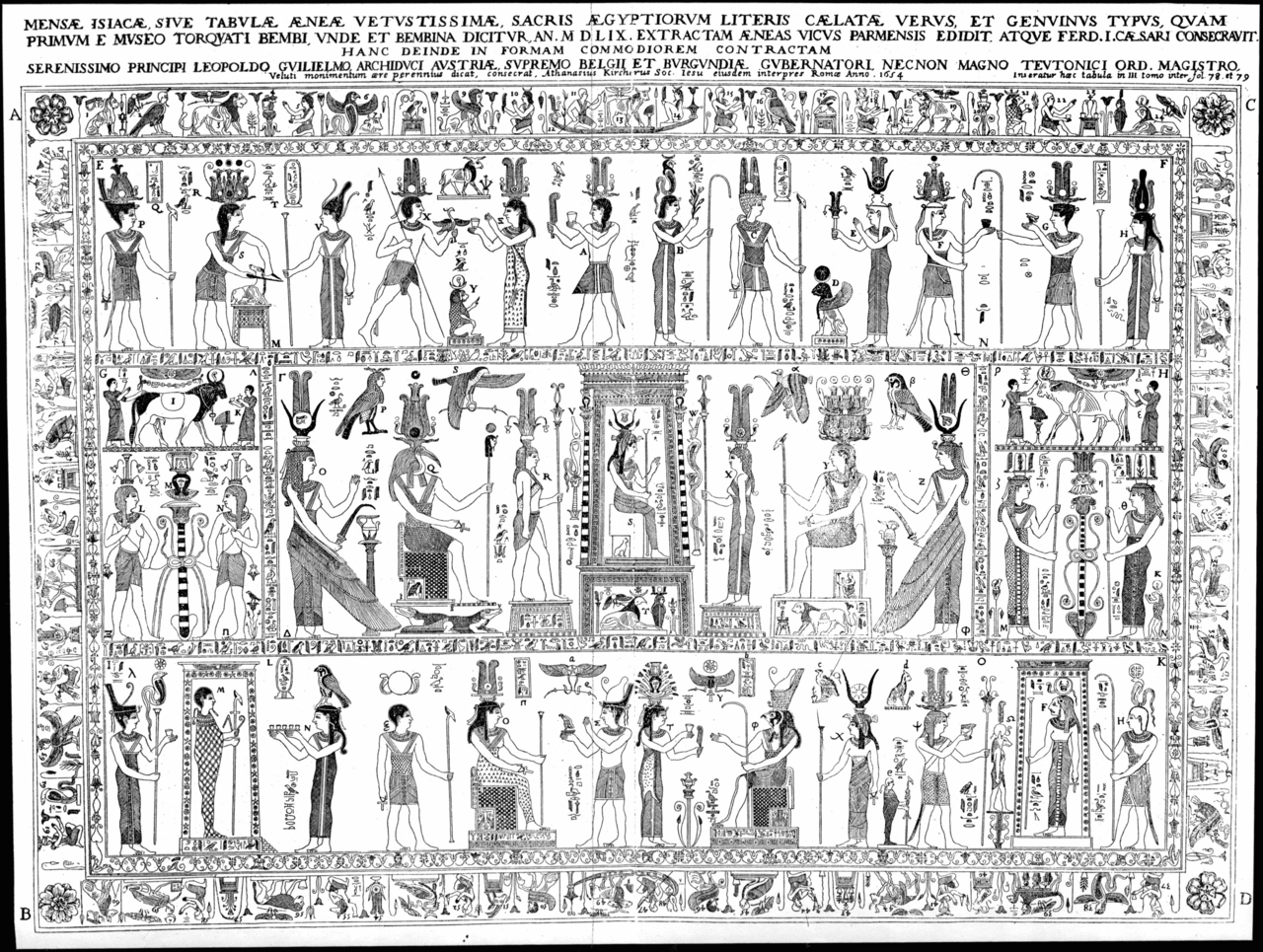
Mysticism, as represented by entities such as Kabalists, Freemasonry, and Hermetic philosophy, constitutes a rich body of theological and philosophical inquiry. At its core, mysticism seeks to understand the intricate relationship between the divine and human existence, offering profound insights into the nature of existence and the path to spiritual redemption. The Kabalistic system, in particular, provides a complex framework for understanding the mysteries of the divine and the human condition through doctrines of incarnation and redemption.
The Mystical and Philosophical Framework
Neo-Platonism, a philosophical group, proposes a dualistic understanding of reality and human existence. This philosophical perspective intersects with Kabbalistic thought in their exploration of the divine source and human nature. The teachings of Neo-Platonism also engage with similar philosophical questions regarding the nature of man and the divine, as seen in the works of Philo Judæus.
The Interplay of Ideas
Philo Judæus, a Hellenistic Jewish philosopher, wrote extensively on the relationship between philosophy and Scripture. His philosophical speculations are part of a wider Hellenistic tradition that also includes Christian theological perspectives on human nature and divine creation. The intersection of Philo Judæus' ideas with Christian theology highlights the complex interplay of ideas between different philosophical and theological traditions.
The Qabalah, an esoteric method of studying the relationship between created things and the ineffable God, includes the four spiritual worlds: Atziluth, Briah, Yetzirah, and Assiah. This philosophical framework intersects with Neo-Platonist thought in their exploration of the divine source and human nature.
The Christian Theological Framework
Christian theology, as a theological framework, seeks to explain the nature of God and the Trinity. This framework intersects with Neo-Platonist and Kabbalistic thought in their exploration of the divine and human nature, providing a manifold understanding of biblical concepts. The Christian theological perspective on human nature and divine creation is also informed by the philosophical speculations of Philo Judæus.
Bibliographia & Fontes
Primary Source Books Used in This Article
The doctrines, historical citations, and symbolic correspondences synthesized in this article are drawn from the following primary works and chapters:
- I.Manly P. Hall, The Secret Teachings of All Ages1928
An Encyclopedic Outline of Masonic, Hermetic, Qabbalistic and Rosicrucian Symbolical Philosophy
Chapters / Sections Consulted:Ch. “Qabbalistic Keys to the Creation of Man”
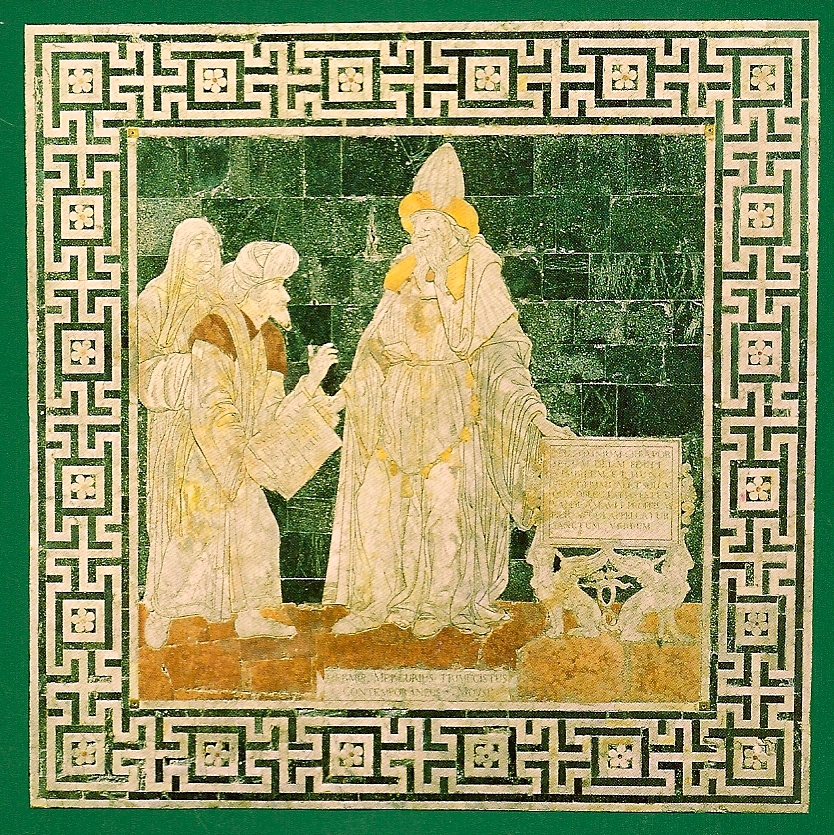
Corpus Hermeticum & Asclepius (Copenhaver Critical Edition)
The definitive scholarly translation of the Greek and Latin Hermetica attributed to Hermes Trismegistus, foundational to Renaissance Neoplatonism and Western esotericism.