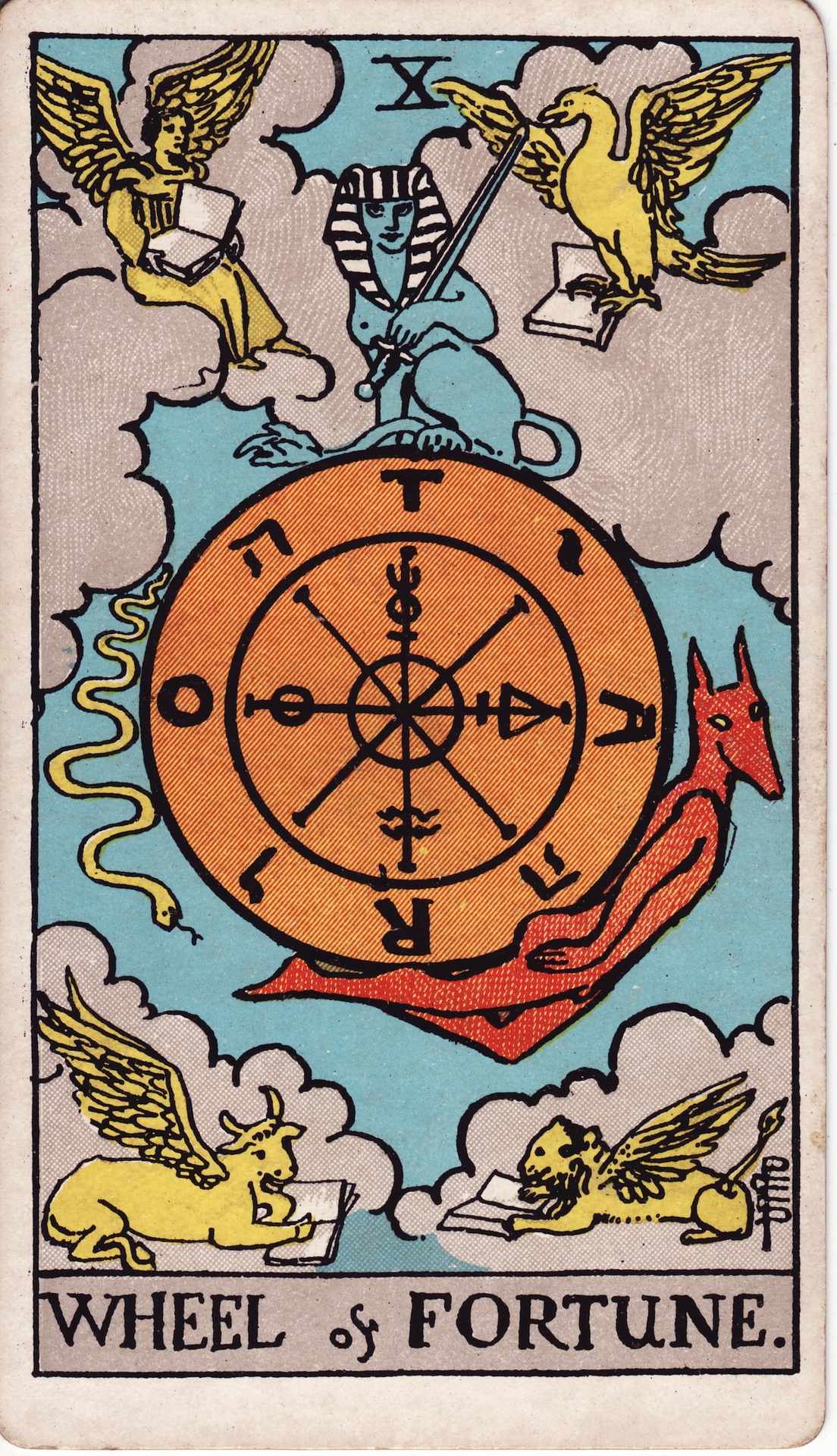
The doctrine of Sphinx encompasses esoteric concepts, entities, and relationships that warrant a deeper exploration and synthesis. By examining the sympathies among these principles such as the Sphinx, Oedipus, the Sacred Book, and the Wheel of Fortune, we can gain insight into the mystical and philosophical underpinnings of this tradition.
Entities and Relationships
Central to this hermetic lineage is the entity of the Sphinx, a guardian of secret lore and truths that represents the mysteries of the universe. The Sphinx is intricately connected to the city of Thebes, where the myth of Oedipus unfolds. Oedipus, as the King of Thebes, embodies the human condition, symbolizing the trials and tribulations of leadership and the complexities of human destiny. The Sphinx's riddle, which Oedipus solves, serves as a catalyst for the unfolding of his story, illustrating the sympathy of human fate and the mysteries of the universe.
The Sacred Book, a metaphor for the key written authority of Hermetic and magical doctrines, is closely linked to the Sphinx and the Wheel of Fortune. The Sacred Book contains veiled symbols and teachings that, when interpreted, reveal profound wisdom and mystical knowledge. The Wheel of Fortune, with its tarot card interpretation and astrological significance, represents the dynamic and often unpredictable nature of circumstances, highlighting the rise and fall of fortunes over time. The Sphinx's presence on the Wheel of Fortune serves as a stabilizing force, symbolizing balance and equilibrium amidst change.
The relationships between these figures and symbols are further reinforced by the connections between Greek Mythology, the Bible, and the Cabala. Greek Mythology, with its stories of the Sphinx and Oedipus, serves as a rich body of symbolism and allegory, illustrating the intellectual and spiritual challenges of life. The Bible, with its veiled religious text and repository of ancient wisdom, is interpreted through the lens of the Cabala, revealing the alchemical significance contained within its pages. The Song of Solomon, a description of the alchemical process, is a prime example of this interpretative tradition.
The Role of Symbolism and Allegory
Throughout the Sphinx tradition, symbolism and allegory play a essential part in conveying the philosophical and mystical themes that underlie its principles and correspondences. The Sphinx, with its enigmatic riddle, serves as a symbol of the mysteries of the universe, while the Wheel of Fortune represents the dynamic and unpredictable nature of circumstances. The Sacred Book, with its veiled symbols and teachings, contains profound wisdom and mystical knowledge that, when interpreted, reveal the secrets of the universe.
The use of symbolism and allegory is further evident in the connections between the entities of the Wheel of Chance, the Lion-Face Being, the Bull-Face Being, and the Eagle-Face Being. These entities, revolving around the Wheel of Chance, represent the various aspects of the universe and the human condition, highlighting the sympathy of all things.
Bibliographia & Fontes
Primary Source Books Used in This Article
The doctrines, historical citations, and symbolic correspondences synthesized in this article are drawn from the following primary works and chapters:
- I.Éliphas Lévi, Transcendental Magic: Its Doctrine and Ritual (Dogme et Rituel de la Haute Magie)1856 / 1896 trans.
Translated and Annotated by A. E. Waite
Chapters / Sections Consulted:Part I: The Doctrine of Transcendental Magic - II.Manly P. Hall, The Secret Teachings of All Ages1928
An Encyclopedic Outline of Masonic, Hermetic, Qabbalistic and Rosicrucian Symbolical Philosophy
Chapters / Sections Consulted:Ch. “The Chemical Marriage of Christian Rosenkreutz” · Ch. “The Hiramic Legend” - III.Arthur Edward Waite, The Pictorial Key to the Tarot1910
Being Fragments of a Secret Tradition under the Veil of Divination
- IV.P. D. Ouspensky, The Symbolism of the Tarot: Philosophy of Occultism in Pictures and Numbers1913
Translated by A. L. Pogossky
- V.Franz Hartmann, In the Pronaos of the Temple of Wisdom / Philosophy of the Rosicrucians and Alchemists1890
Containing the History of the True and the False Rosicrucians and the Principles of Alchemy
- VI.Max Heindel, The Rosicrucian Mysteries: An Elementary Exposition of Their Secret Teachings1911
The Rosicrucian Fellowship
Further Inquiry in This Cycle
Companion Studies & Disputations
Greek Myth: The Nexus of Power and Ignorance
By examining the intersections and dynamics between these concepts, we reveal a nuanced understanding of the power structures that underpin human…
Wheel Of Chance & Bull-face Being: The Apocalyptic Quartet
In the esoteric domain of this hermetic lineage, a profound symbolism is revealed through the interconnection of the Wheel of Chance and the four…
Sphinx, Wheel Of Fortune & Sacred Book in Ancient Mythology
The esoteric community of concepts, known as the Sphinx tradition, presents a rich body of entities and relationships that warrant a deep philosophical…
Oedipus: The Labyrinth of Human Destiny
Through a philosophical analysis of the relationships between these figures and symbols, we will uncover the symbolic significance of Thebes as a city of…
Bible, Singing Of Solomon & Cabala in Ancient Mythology
The entities and relationships within this esoteric current reveal a network of esoteric concepts that converge to disclose the alchemical significance of…
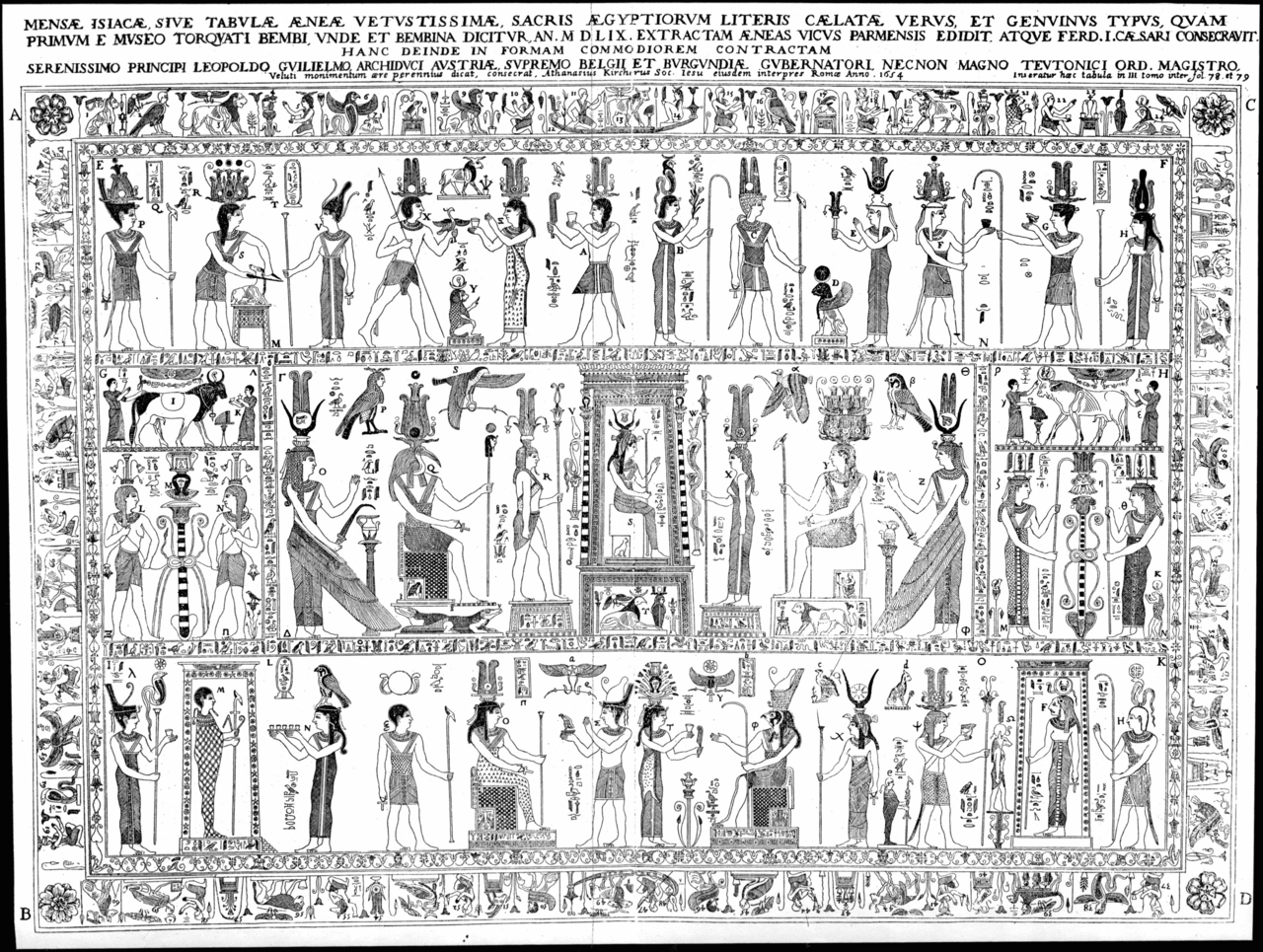
Isis Unveiled: A Master-Key to the Mysteries of Ancient and Modern Science and Theology
H. P. Blavatsky’s monumental two-volume comparative synthesis of Egyptian, Hermetic, Chaldean, and Hindu cosmogonies and ancient mystery traditions.