
By examining the relationships and contributions of key individuals, including Porphyry, Plotinus, Iamblichus, Moderatus of Gades, and Clement of Alexandria, this analysis reveals a network of intellectual and spiritual exchange that shaped the development of these philosophical schools. This synthesis highlights the shared themes of metaphysical speculation, ascetic practices, and the pursuit of eternal truths, demonstrating the profound impact of these ideas on the evolution of Western philosophy.
The Confluence of Neoplatonism and Neo-Pythagoreanism
Central to this hermetic lineage is the intersection of Neoplatonism and Neo-Pythagoreanism, two philosophical schools that converged in the 1st century AD. Neo-Pythagoreanism, as embodied by Moderatus of Gades, emphasized the importance of ascetic practices and metaphysical speculation, laying the groundwork for the development of Neoplatonism. The latter, as founded by Plotinus and furthered by Porphyry and Iamblichus, sought to unite the individual with the eternal and divine through rigorous philosophical inquiry and spiritual practices.
The Influence of Neoplatonism on Patristic Philosophy
Clement of Alexandria, a pivotal figure in Patristic philosophy, was influenced by the ideas of Neoplatonism, incorporating elements of metaphysical speculation and ascetic practices into his own philosophical framework. This synthesis is evident in his writings on the Mysteries and the phoenix, which reflect a degree of openness to non-Christian traditions within the context of early Christianity. The relationship between Neoplatonism and Patristic philosophy is characterized by a shared pursuit of eternal truths and the perfect expression of the divine.
The Role of Key Individuals
Porphyry, a prominent Neoplatonist philosopher, played a significant role in the development and spread of Neoplatonism through his extensive writings and philosophical teachings. His work, "On Abstinence from Animal Food," documented the Egyptian custom of removing abdominal contents during mummification, while his inquiries into magical arcana reveal a broader interest in esoteric knowledge. Iamblichus, another influential Neoplatonist, wrote extensively on the nature of the oracle at Delphi and the phenomena associated with it, further developing the understanding of divination and the symbolic meanings behind oracular responses.
The Legacy of Ammonius Saccus
Ammonius Saccus, often regarded as the founder of Neoplatonism, contributed significantly to the establishment of this philosophical movement. His teachings and principles laid the groundwork for the development of Neoplatonism, shaping its institutional framework and foundational philosophies. The influence of Ammonius Saccus can be seen in the works of Plotinus, Porphyry, and Iamblichus, who built upon his ideas and furthered the teachings of Neoplatonism.
Bibliographia & Fontes
Primary Source Books Used in This Article
The doctrines, historical citations, and symbolic correspondences synthesized in this article are drawn from the following primary works and chapters:
- I.Manly P. Hall, The Secret Teachings of All Ages1928
An Encyclopedic Outline of Masonic, Hermetic, Qabbalistic and Rosicrucian Symbolical Philosophy
Chapters / Sections Consulted:Ch. “Introduction to Symbolical Philosophy”
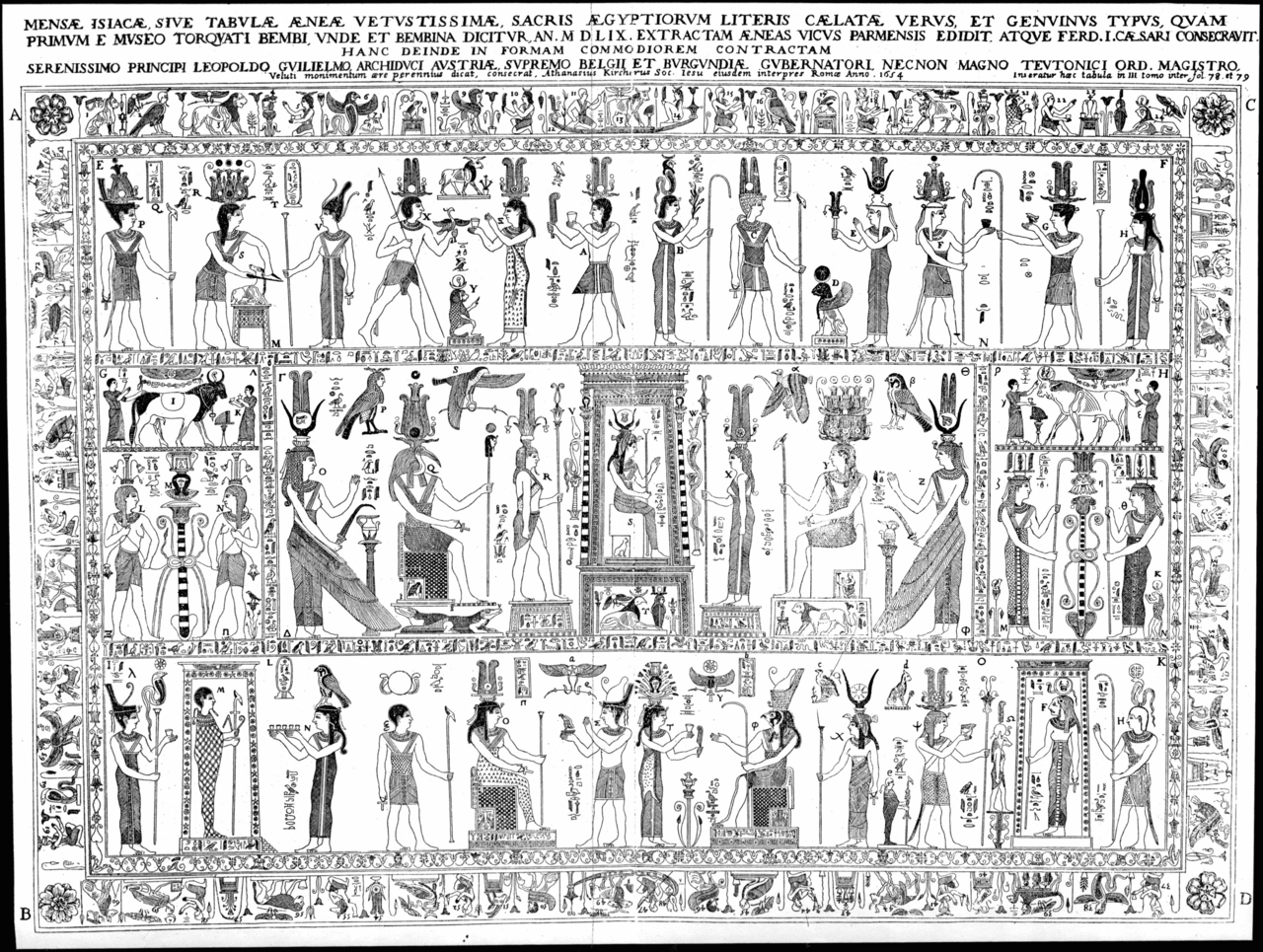
Isis Unveiled: A Master-Key to the Mysteries of Ancient and Modern Science and Theology
H. P. Blavatsky’s monumental two-volume comparative synthesis of Egyptian, Hermetic, Chaldean, and Hindu cosmogonies and ancient mystery traditions.